Arm says its PC ecosystem has moved from compatibility to buyer choice
Arm says the debate over Arm-based PCs has shifted from whether familiar applications will run to which Arm-powered machine people want to buy. In a blog post dated November 2, 2026, the company points to new silicon, devices from major PC makers and a growing base of native software.
- Arm says Arm-based PCs now range from ultra-portable laptops to AI workstations.
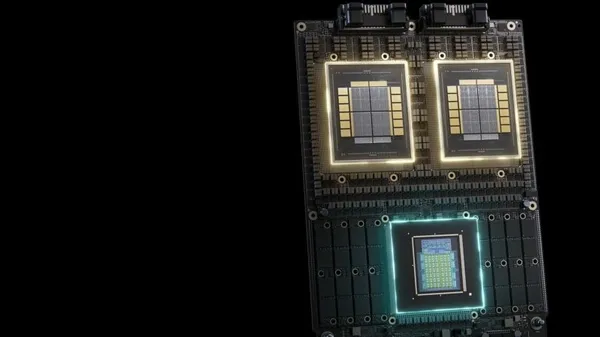
- NVIDIA's Arm-based RTX Spark is coming to Windows PCs from ASUS, Dell, HP, Lenovo, Microsoft Surface and MSI, according to Arm.
- Arm and Google are collaborating on AI-native Googlebooks built on Arm-based SoCs.
- Windows on Arm has thousands of verified applications and games, and Arm AppReady for Windows supports native development.
- With Python 3.15, developers can run Python natively on Windows on Arm.
A wider range of Arm-powered devices
According to Arm, its partners are introducing new devices, silicon platforms and applications across the industry. The company describes a range that runs from ultra-portable laptops with all-day battery life to powerful AI workstations, covering different performance needs and form factors.
Arm singles out NVIDIA's Arm-based RTX Spark as an important milestone. The platform brings local AI capabilities to new Windows PCs from ASUS, Dell, HP, Lenovo, Microsoft Surface and MSI, with many more to follow, Arm says. Together with other Arm-based platforms, this gives manufacturers and users more choice across performance, efficiency and workload requirements.
The company also points beyond Windows. Arm says it is collaborating with Google on the next generation of AI-native Googlebooks. According to Arm, the Arm-based systems-on-chip for Googlebooks offer industry-leading performance per watt, which allows advanced AI workloads to run locally in designs that are thin, light and thermally efficient.
Agentic AI as the next driver
Arm argues that the next wave of PC innovation will involve agentic code generation, multi-stage reasoning, planning, dynamic workflows, agentic RAG and personal AI assistants that carry out tasks continually. In its view, the opportunity is not only running larger models locally but building complete systems that can execute multi-step agentic workflows concurrently and efficiently.
That requires acceleration for ultra-low latency inference, which Arm says is what it partnered with NVIDIA on for RTX Spark. The company expects personal assistants to manage tasks and coordinate workflows across devices and the cloud, and sees an opening for developers to combine traditional software with AI capabilities.
Arm also describes what it calls hybrid intelligence: workloads running wherever they make the most sense for performance, responsiveness, privacy and efficiency. The company says it provides a common compute foundation across smartphones and connected devices, PCs and cloud infrastructure.
Software support and developer tools
Arm acknowledges that hardware is only part of the picture, since a PC platform depends on the applications people use daily. According to the company, the Windows on Arm ecosystem now includes thousands of verified applications and games across productivity, creativity, security, education, communications and entertainment. It names Adobe, Blender, Dropbox, Figma, Google, Slack, Spotify, WhatsApp and Zoom as examples.
For developers, Arm says going Arm-native is now significantly easier. It highlights Arm AppReady for Windows, which combines resources, tooling guidance and Arm engineering expertise to help teams build, port and optimize native Arm applications. The program helps developers assess dependencies, review build systems and compiler settings, identify architecture-specific code and performance-critical paths, and find relevant Arm and Microsoft guidance. Teams facing more complex migration or optimization problems can also reach Arm application experts. Arm lists Anthropic's Claude among the applications featured in the program.
Arm adds that with Python 3.15, developers can run Python natively on Windows on Arm and use a growing set of native packages, development tools and infrastructure.
What it means for buyers and developers
The post is Arm's own account of its position, but it sketches a clear direction. For buyers, the company says the choice of Arm-based machines is widening across manufacturers, operating systems and price-performance tiers. For developers, it says easier tooling and a larger installed ecosystem make building for Arm from the outset a more realistic option.
Arm concludes that the question is no longer simply whether it can power the PC, but what the next generation of PCs will make possible on Arm.
Arm: How Arm is redefining the PC ecosystem