Brookings Authors: As AI Leaders Urge a Slowdown, Young Children Need a Voice
As AI industry leaders say the technology may be moving too fast, authors at the Brookings Institution argue that children from birth to 8 years are missing from the debate. They call for child-impact assessments of AI products and a formal role for parents and child development experts in setting standards.
- Brookings authors say children from birth to 8 are missing from the AI slowdown debate.
- They cite a figure that only 5.26% of published research explores AI's impacts on relationship formation and attachment.
- They want child-impact assessments before launch for AI products used by young children, especially companion toys.
- The authors say COPPA and federal toy safety standards do not cover developmental appropriateness of conversational AI.
- They want parents and child development experts to have formal roles in standards-setting and review.
Industry leaders agree on a slowdown, but children are missing
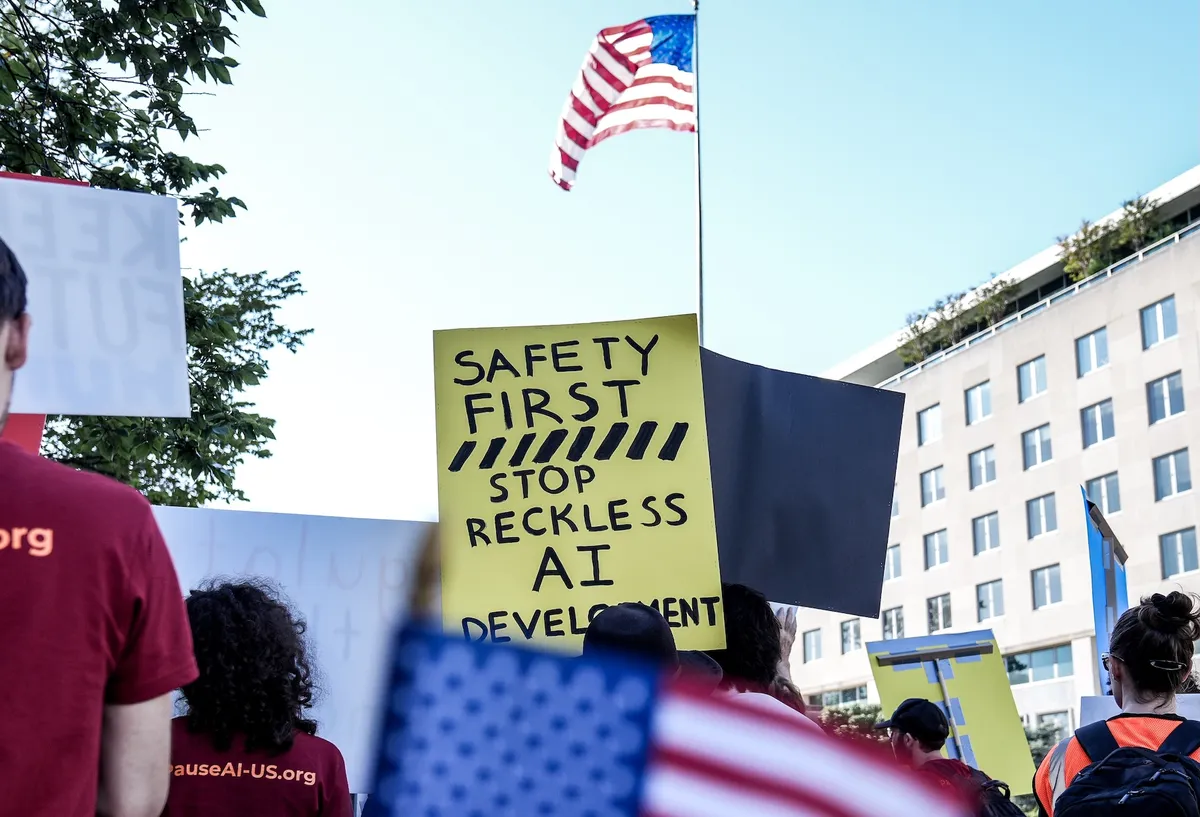
According to the Brookings article, the people competing to build the world's most powerful AI systems agree that the technology may be moving too fast. Anthropic CEO Dario Amodei has called for collective action to slow the pace of development, warning that safeguards are not keeping up. Elon Musk and OpenAI's Sam Altman have agreed, the authors write.
The authors stress that Amodei's proposal focuses on frontier AI development, not specifically on the toys, apps and content entering young children's lives. Still, they argue the collective action problem he describes applies to childhood as well: even companies that want to proceed cautiously may find it hard to slow down when competitors do not.
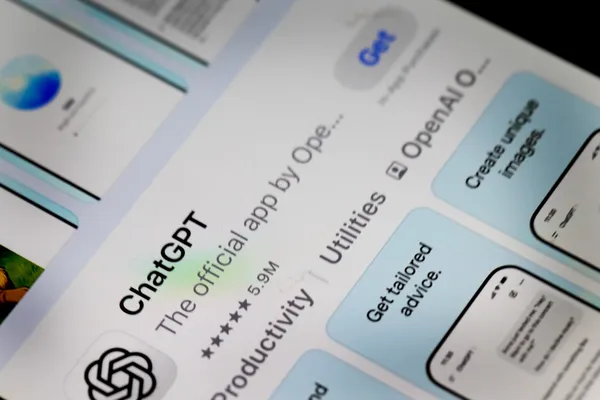
AI is already showing up in children's videos, learning tools and toys, the article says, including social companion toys that can hold conversations, remember past interactions and respond in ways that can feel remarkably human. The authors note that Altman has spoken about wanting his young son to "play in the dirt" and delaying his exposure to AI for as long as possible.
Gaps in existing protections
The authors say current rules do not fit the moment. The Children's Online Privacy Protection Act (COPPA) governs how companies collect data from children under 13, but says nothing about whether a product's design is developmentally appropriate for a 3-year-old. Federal toy safety standards address choking hazards and lead paint, not a toy that converses, remembers and responds like a friend.
The Federal Trade Commission has opened an inquiry into AI companion chatbots, and some states have begun to act, but these efforts focus largely on teenagers, according to the article. Proposals to preempt state AI laws could erase even this patchwork before a federal floor exists. Children from birth to 8 years, whose brains are developing faster than at any point in life, fall through the gaps, the authors write.
They also point to thin evidence. Current evidence indicates that only 5.26% of the current published research explores AI's impacts on relationship formation and attachment.
What the authors propose
The article argues that responsibility cannot rest with parents alone, and that individual companies cannot be expected to solve the problem voluntarily. It says policymakers in Congress and at agencies such as the Federal Trade Commission and the Consumer Product Safety Commission have a role. The authors compare the approach to car seats: parents are not asked to crash-test them, because federal standards and pre-market testing set a floor.
- Products likely to be used by children should undergo child-impact assessments before launch, covering privacy and content as well as attachment, language, play and a young child's ability to tell people from machines.
- Parents, early childhood professionals and developmental experts should have formal roles in standards-setting, product testing and regulatory review.
- AI products designed for or marketed to children under 8, especially companions, should undergo independent developmental impact assessment before reaching the market, and independent researchers should be able to access the data needed to study them.
The authors say a slowdown for young children need not mean a ban, and that some AI tools may ultimately help with language and learning. They add that other jurisdictions are moving: the United Kingdom requires online services likely to be accessed by children to assess the risks they pose, and the European Union has recently proposed the EU Kids Act. The United States has no federal equivalent, they note.
Beyond products: families and the wider economy
The article also looks past the products themselves. Children live in families whose livelihoods may be transformed by AI and in communities affected by the environmental footprint of data centers, the authors write. Proposals to distribute AI-generated wealth, update social insurance or address environmental health should therefore be evaluated in part by how they affect young children, and the participation of parents and experts should be "required, not ceremonial."
The piece is by Sweta Shah and Kathy Hirsh-Pasek of the Brookings Center for Universal Education, and Melissa Boteach of Zero to Three. It ends with a warning that leaving young children out of the debate will let market incentives, rather than developmental science, public interest and informed parents, set the terms of children's exposure to AI.
Brookings (AI): As AI leaders call for slowdown, children need a voice