Dahua showcases AIoT systems for safer, more efficient smart cities
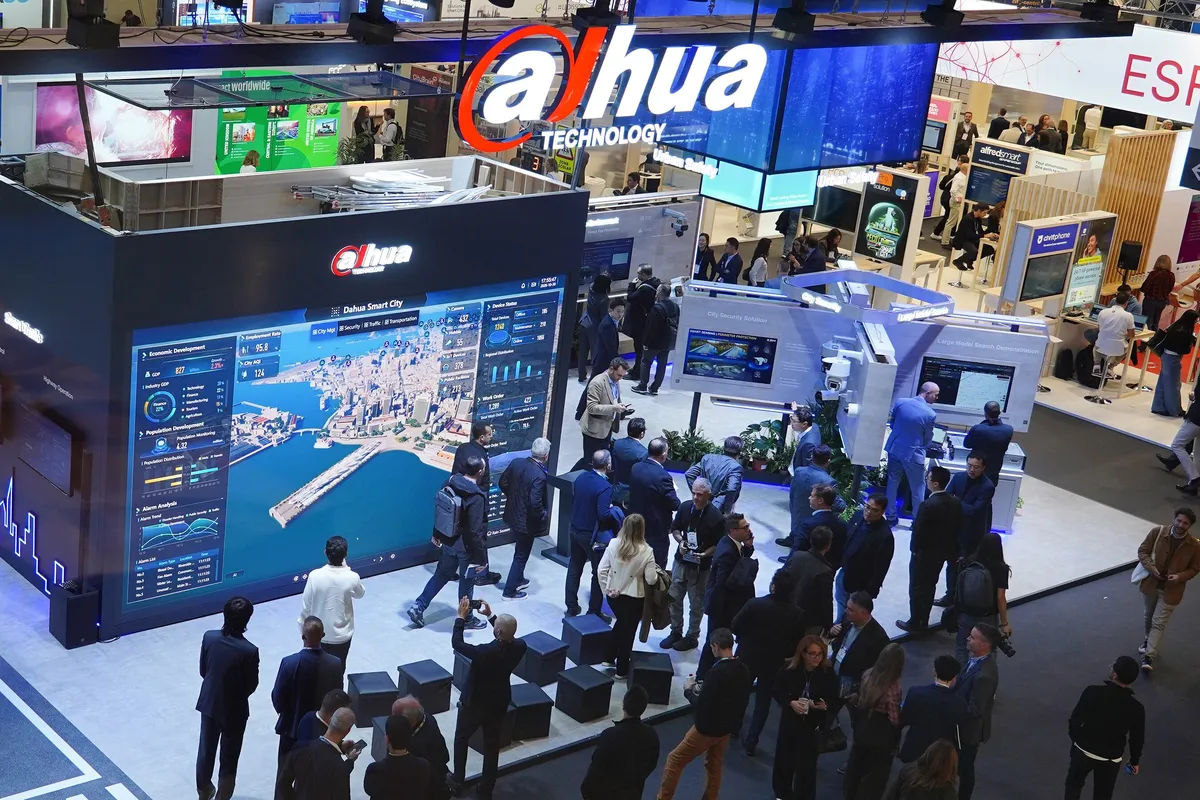
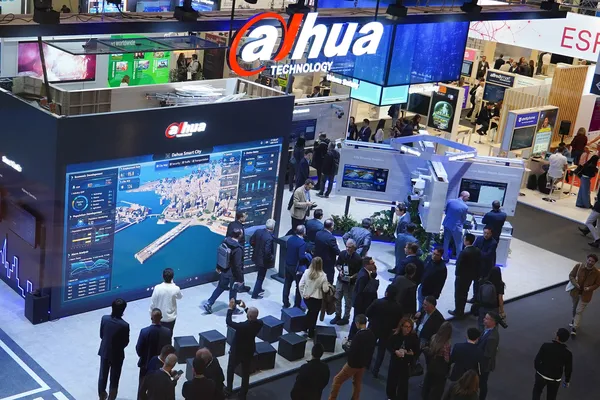
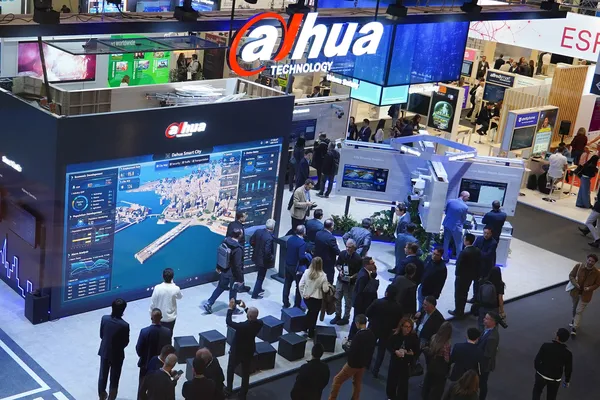
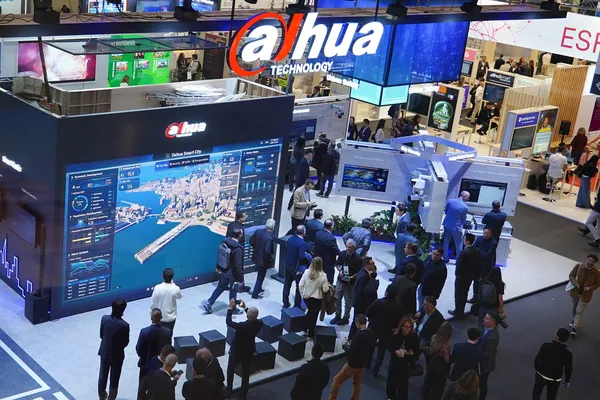
Dahua Technology presented a broad set of AIoT systems for smart cities at the Smart City Expo World Congress 2026 in Barcelona. The technologies combine cameras, IoT devices, artificial intelligence and automated alerts for applications ranging from missing-person searches to wildfire detection.
- Dahua presented AIoT solutions at SCEWC 2026 in Barcelona.
- Its systems cover urban security, traffic, public transport and city management.
- In Campeche, the company optimized 34 intersections and introduced seven green waves.
- Thermal cameras can detect potential fire hotspots from up to 10 kilometers.
- Dahua highlighted privacy, transparency and accountability alongside AI deployment.
AIoT systems target urban safety and traffic
Dahua’s urban security solutions connect cameras and other IoT devices with artificial intelligence analytics. The company demonstrated systems that combine intelligent recognition, text and image search, movement-route tracking, public messaging and safety procedures to support searches for missing people and coordinate emergency responses.
The company also presented tools for traffic monitoring, signal optimization, traffic-law enforcement and road-incident detection. In Campeche, Mexico, Dahua says it optimized 34 intersections and introduced seven green waves. The project recorded 23 improvements, a 20% increase in traffic flow and a 15% reduction in waiting time, according to the company.
For public transport, Dahua’s intelligent mobility systems monitor vehicles, issue safety warnings and bring together operational information. A bus-driver monitoring system detects risky behavior, while real-time video, GPS location data and passenger counting support safety oversight, fleet management and fare control.
Monitoring problems across the city and environment
Dahua’s city-management technologies use AI-based analysis and multimodal information processing to detect issues including illegal street trading, rubbish left in public areas, missing manhole covers, flooded roads, blocked fire lanes, smoke and fire. Natural-language search and automatic notifications are designed to help municipal teams identify problems and coordinate responses.
The company also showcased systems for environmental protection and natural-resource management. High-mounted thermal cameras provide 360-degree observation and can detect potential fire hotspots from distances of up to 10 kilometers. They work with ground-based monitoring systems and drones to support fire detection and emergency response.
For water monitoring, Dahua presented a radar device combined with a PTZ camera. The system tracks water levels in real time and sends alerts when readings exceed defined thresholds.
Dahua links AI agents with physical city infrastructure
John Li, Dahua Technology’s general manager of global public-sector business, took part in a high-level discussion on agentic artificial intelligence and systems capable of taking action. According to the company, he said AI embedded in cameras and sensors could support proactive city management, from AI-assisted search to AI agents that identify urban problems and track progress in resolving them.
Li also emphasized the importance of privacy protection, transparency and accountability in ensuring that artificial intelligence benefits society. In a separate presentation, Max Huang, Dahua’s director of global public-sector projects, described edge data processing and high-quality structured data as a foundation for deploying large AI models in real-world smart-city applications.
The demonstrations show how Dahua is positioning AIoT as an operational layer for city services, connecting detection with alerts, analysis and response. The company said it plans to continue working with customers and partners on smart-city solutions and to support cities’ ongoing digital transformation.