70 European CISOs urge prevention and control in the AI era
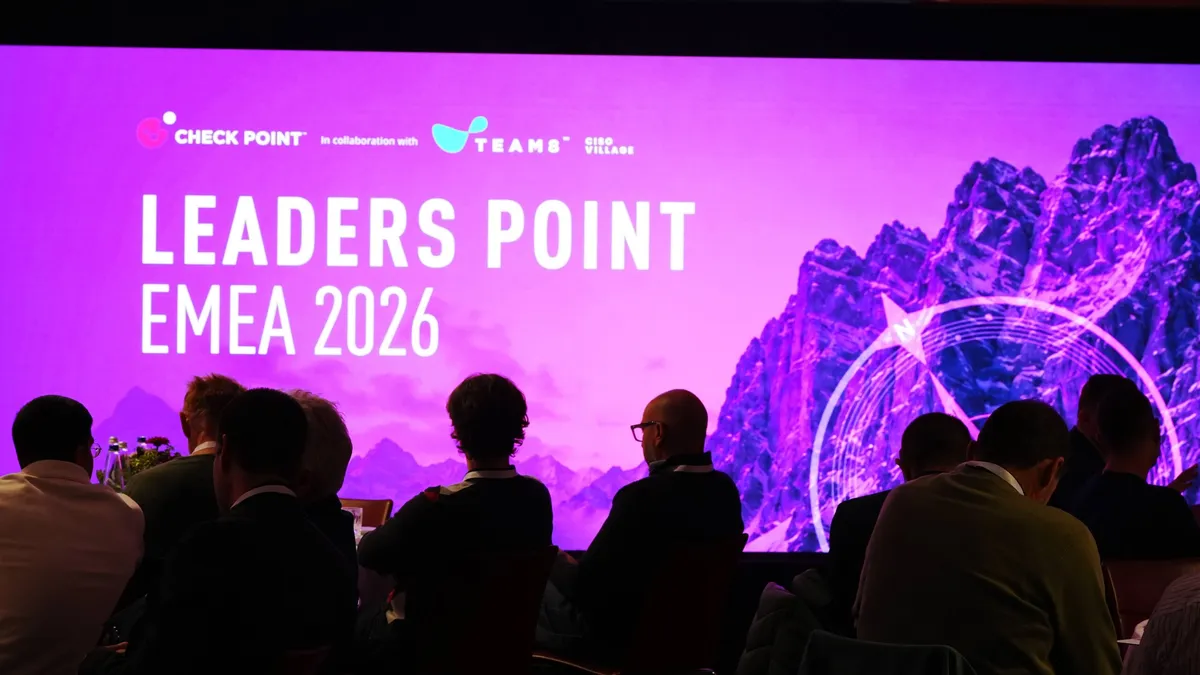
More than 70 CISOs from Europe, the Middle East and Africa met in Bavaria to discuss how organizations should secure AI, use it in defense and manage AI-driven threats. Check Point said four themes dominated the three-day Leaders Point EMEA event.
- More than 70 CISOs attended Leaders Point EMEA in Bavaria.
- Check Point said prevention must go beyond faster patching.
- AI agents need real-time controls based on their intended purpose.
- Every AI use case should have a named risk owner.
- European organizations want flexibility to switch AI models and suppliers.
AI is changing the security role
The invitation-only event was led by Check Point CEO Nadav Zafrir and hosted with Team8’s CISO Village. It was the second Leaders Point event and the first in Europe, according to Check Point.
The company said CISOs now have three responsibilities at once: protecting organizations from AI-driven threats, securing the AI used by their teams and applying AI in their own security operations. They are doing so while the rules governing AI are still being written.
The discussion took place as attacks on supermarket refrigeration systems had spoiled food and emptied shelves in stores across France and several other European countries. The source said nobody had yet been shown to be behind those incidents. It described the attacks as a reminder that cyber risk can have direct physical consequences.
Prevention is moving ahead of patching
Check Point said AI has shortened the time between a vulnerability being discovered and being exploited. Because attackers can use AI to find weaknesses and turn them into working attacks more quickly, the CISOs at the event questioned whether faster patching alone can keep pace.
The security leaders are instead rethinking prevention, according to the company. Their goal is to harden environments and remove entire classes of risk before an attack begins, reducing the impact of each new vulnerability.
Check Point pointed to reporting on the supermarket incidents, which identified refrigeration controllers reachable from the open internet, including systems running software their maker no longer updated. In that situation, the company said, closing access was the available defense because no patch was expected.
AI agents need purpose, ownership and choice
The CISOs also focused on AI agents that act with legitimate credentials across email, endpoints, networks and the cloud. Check Point said traditional tools may struggle to distinguish harmful activity from an agent carrying out its intended work.
The company argued that controls should be built around an agent’s purpose and should check every action in real time. A contract-summarizing agent, for example, should have no reason to change firewall rules. Check Point described a kill switch as a last resort, while steering an agent away from a risky action should be the first response.
Another repeated theme was accountability. Every AI use case should have a named owner who signs off on its risk and answers when something goes wrong. European organizations also want the ability to change models and suppliers as the market develops. Check Point said dependence on one model or provider creates concentration risk, and that the decisions shaping AI security will be made this year.
Check Point: What 70 European CISOs told us about securing the AI era