Fivetran brings conversational analytics to Snowflake Intelligence
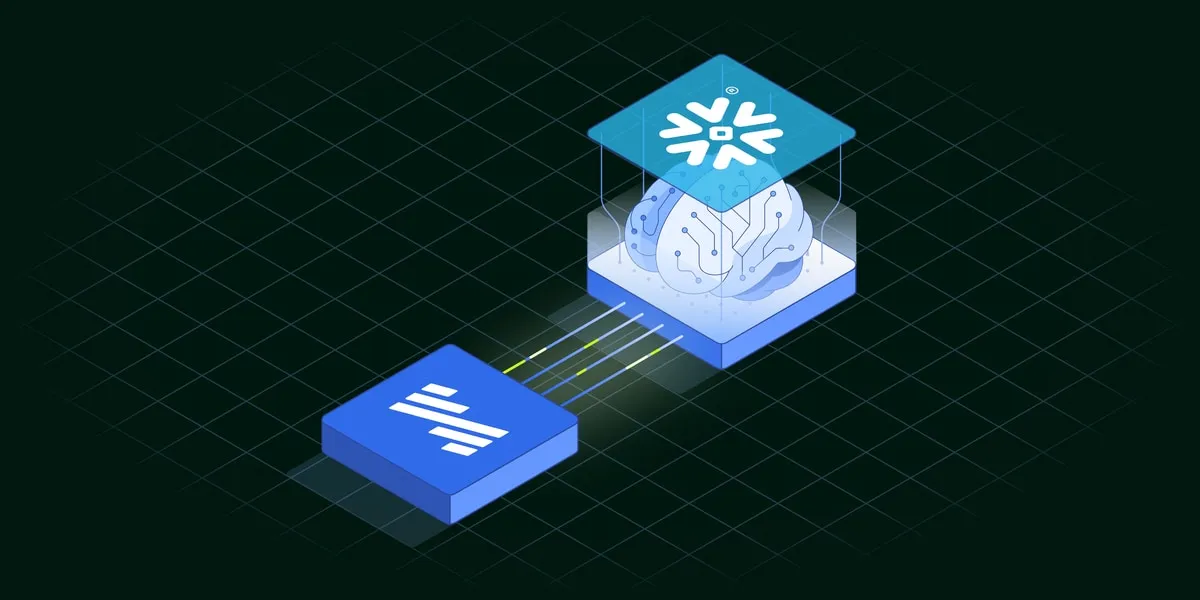
Snowflake Intelligence is now generally available, according to Fivetran, giving business leaders and analysts a natural-language way to explore and act on data without writing SQL or manually building dashboards. Fivetran supplies the data integration foundation that loads structured and unstructured information into Snowflake.
- Snowflake Intelligence is now generally available.
- Users can query structured and unstructured data in natural language.
- Fivetran loads data into Snowflake through automated pipelines.
- Cortex Agents coordinate multi-step analytical workflows.
- Fivetran says its platform supports more than 700 unique data sources.
AI agents connect questions to business data
Snowflake Intelligence is built on Snowflake Cortex and includes agentic capabilities for planning and executing multi-step analytical workflows. The system can connect structured and unstructured data, apply models, and return insights while maintaining Snowflake’s governance, security, and observability controls, Fivetran says.
Its capabilities include the orchestration of Cortex Agents, which coordinate reasoning, planning, and tool use through a network of specialized AI systems. Cortex Analyst supports queries over structured data, while Cortex Search retrieves information from unstructured data. Semantic models and knowledge indexing help map data representations to real-world business concepts.
Fivetran says the platform also provides visibility into reasoning steps and data usage, supporting auditability and compliance. Users can ask questions in natural language and set up simple automations without prior experience with SQL, business intelligence platforms, or machine learning notebooks.
Fivetran supplies the data foundation
Fivetran automatically extracts data from source systems and loads it into Snowflake through automated, reliable, and scalable pipelines. The company describes its platform as supporting more than 700 unique data sources, including systems such as customer relationship management, enterprise resource planning, and software-as-a-service applications.
In the combined architecture, Fivetran brings structured and unstructured data into Snowflake. Users can then define semantic views for important metrics through Cortex Analyst and create a pilot agent tied to those views. Snowflake Intelligence can be prompted by a user or triggered by an event, after which specialized agents plan, coordinate, and reason over the available data.
Fivetran Activations, formerly Census, can route data back into operational systems when needed. This extends the workflow from analysis to operational analytics and business process automation.
A path from questions to automated reports
Fivetran recommends starting with two or three high-value connectors, such as CRM, finance, or operations data. Teams can test an agent with questions whose answers are already known, ask it to explain its reasoning, and inspect its multi-hop reasoning chains. As the results improve, they can add more sources and agents, then use Snowflake Intelligence to generate periodic reports and alerts.
Fivetran identifies use cases across several industries. Retail and consumer packaged goods companies can combine point-of-sale, inventory, and marketing data for demand forecasting and sales optimization. Finance teams can use conversational analytics for anomaly detection, explanations, and audit summaries. Health and life sciences organizations can analyze patient outcomes, research, and claims data with auditability for regulatory compliance.
The company also cites operational inefficiency and cost analysis for energy and utilities, plus insights spanning marketing, sales, product, and customer success data for technology and software companies. For users, the integration aims to shorten the path from scattered data to analysis and action. Fivetran says the next steps could include systems that recommend or implement responses in real time, although the announcement describes that as a direction beyond the capabilities currently presented.