IBM Bob Gets Self-Hosted Option for Air-Gapped and Sovereign Clouds
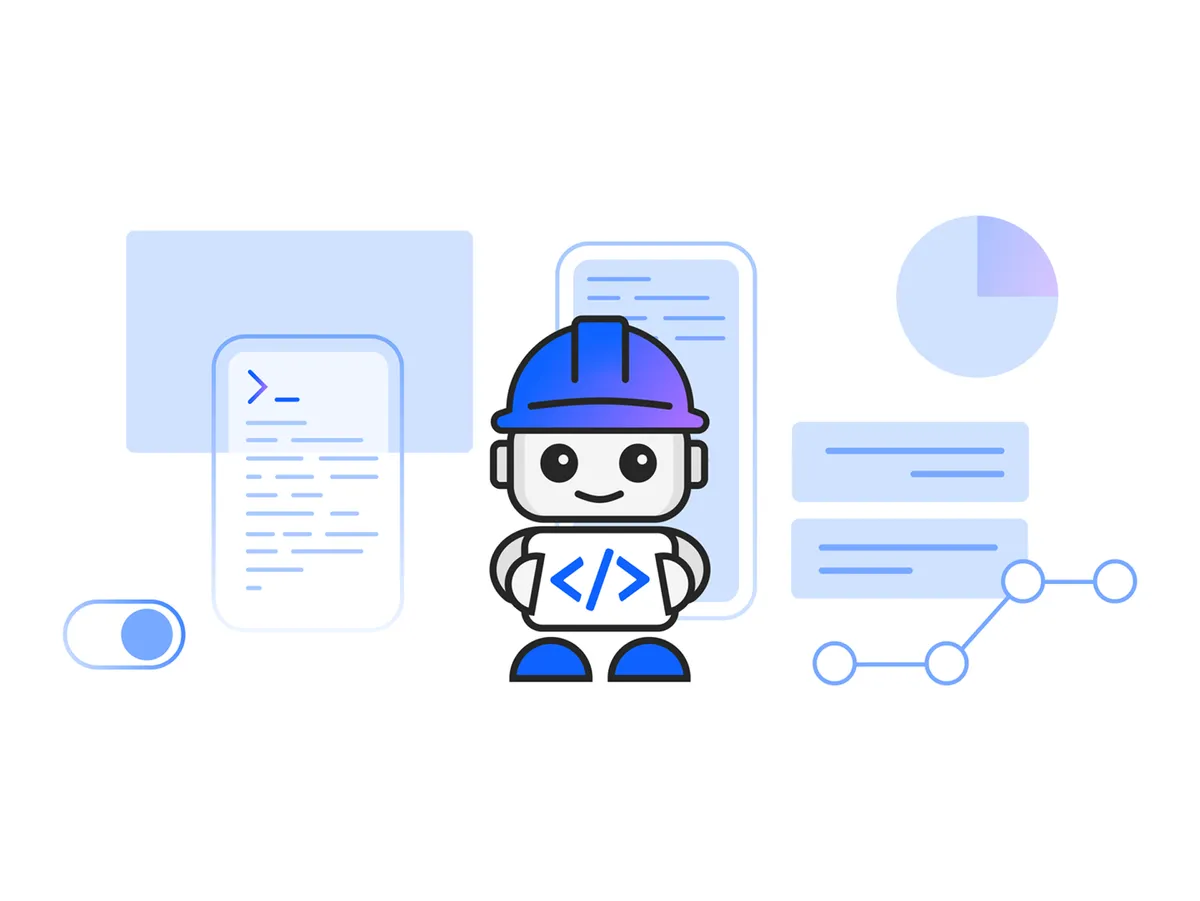
IBM has introduced self-hosted deployment for IBM Bob, its agentic software development platform, so organizations can run AI development and modernization tools in on-premises, private-cloud, sovereign-cloud and air-gapped environments. According to IBM, the aim is to let enterprises use AI without moving sensitive code, data or workflows outside infrastructure they control.
- IBM Bob, the company's agentic software development platform, can now be self-hosted.
- Supported environments include on-premises, private-cloud, sovereign-cloud and air-gapped setups.
- Enterprises can run licensed supported models locally or connect to supported external model services in hybrid configurations.
- IBM cites a Futurum Research projection of 44% hybrid and edge share of the AI infrastructure market by 2030.
- According to IBM's Institute for Business Value, 68% of surveyed executives find data residency and sovereignty requirements challenging.
What IBM announced
IBM (NYSE: IBM) said on October 1, 2026 that Bob can now be deployed in customer-managed environments. IBM describes Bob as an agentic software development platform that helps teams go beyond code generation and apply AI to the work of software delivery and modernization.
The self-hosted option is designed for organizations that need greater control over data residency, security policies, AI governance and software development workflows. IBM contrasts it with many AI coding and software development tools that require organizations to move data to external services. With the self-hosted version, enterprises can deploy AI development and modernization capabilities where their code, application context and data already reside.
On the model side, enterprises can run supported models on premises, including in air-gapped environments, using supported models they have licensed. They can also connect Bob to supported external model services through hybrid configurations.
Why control over AI matters to regulated industries
IBM argues that organizations managing sensitive source code, regulated data or mission-critical infrastructure often face strict security and compliance requirements that can limit their use of public AI platforms. For many of them, especially in regulated industries, adopting AI requires control over where AI runs, what data it can access and how it is governed.
The company cited two reports to frame the demand. According to Futurum Research, hybrid and edge deployments are projected to capture 44% of the AI infrastructure market by 2030, while public cloud share is projected to decline to 46% in the same timeframe. IBM also pointed to its own Institute for Business Value report, The Calculus of AI Sovereignty, published in June 2026. According to that report, 68% of surveyed executives say meeting data residency and sovereignty requirements across geographies is challenging.
IBM says Bob's deployment flexibility lets enterprises bring AI to the data instead of moving data to the AI.
Modernization across mixed environments
IBM notes that many AI development tools were built primarily for cloud-native environments. Enterprise modernization, by contrast, often involves applications and data spread across on-premises systems, private clouds and other controlled environments. According to IBM, Bob's deployment flexibility allows organizations to use AI for development and modernization across different infrastructure environments and models.
Neel Sundaresan, GM of AI and Automation at IBM, said in the announcement: "The future of enterprise AI will depend on security, governance and sovereignty." He added that organizations need AI that operates inside environments they control, especially when handling sensitive code and regulated data.
What it means for enterprise buyers
For companies in sectors with strict data rules, the release signals that agentic coding tools are being offered in forms that fit existing infrastructure rather than requiring a move to external services. IBM positions the option for teams that handle intellectual property, proprietary source code and regulated customer information.
The announcement does not give pricing, availability dates or a list of supported models. IBM directs readers to its product announcement page for more details on the self-hosted options.