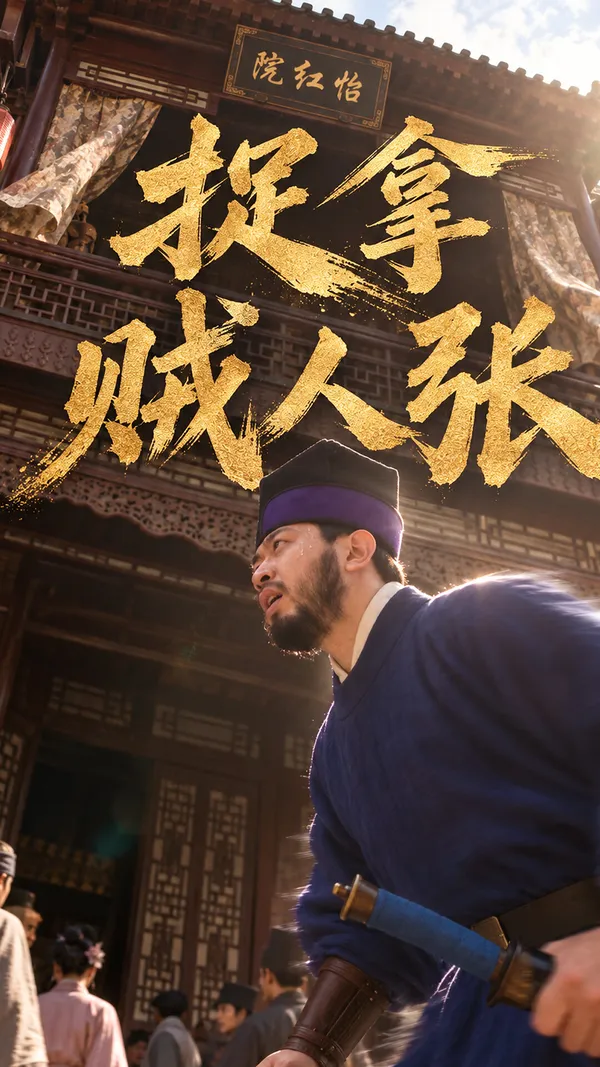
iQIYI Reconstructs Lost 1938 Film with AI Platform NadouPro
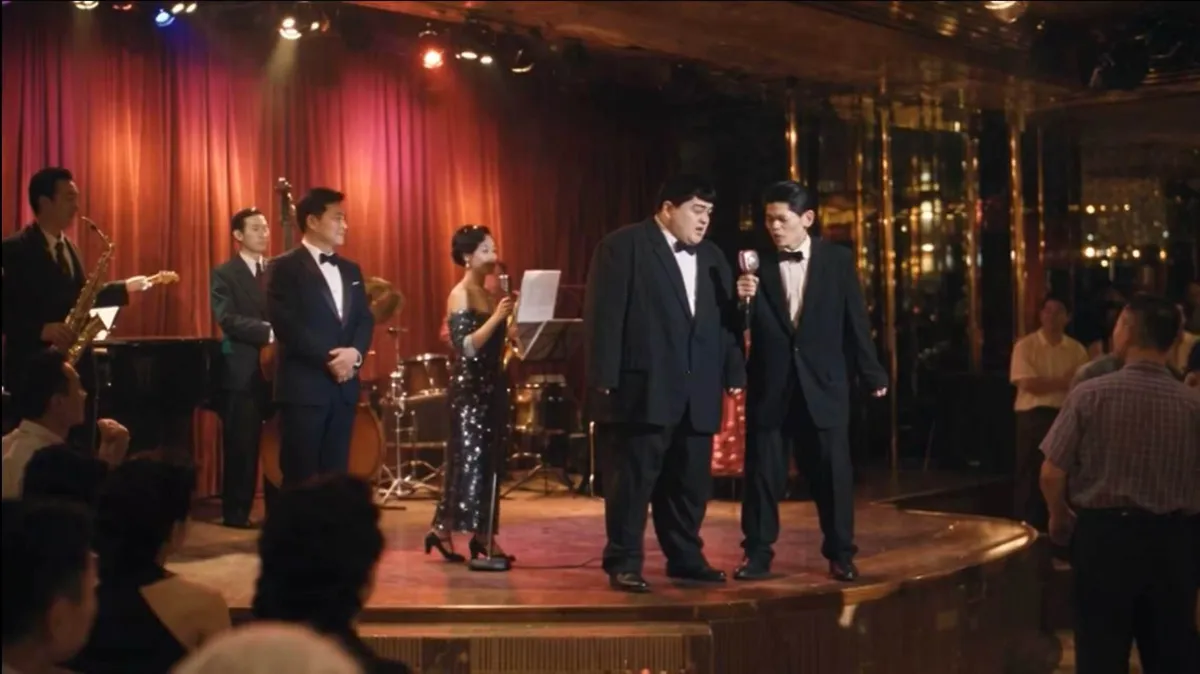
iQIYI has used its NadouPro AI production platform to creatively reconstruct a short film lost for nearly 90 years. The project, based on historical materials rather than surviving footage, has been shortlisted for the 2026 Future Images AI Unit at the 39th Golden Rooster Awards.
- NadouPro reconstructed a short film lost for nearly 90 years.
- The team used still photos, posters and newspaper clippings instead of surviving footage.
- An eight-person team completed the project in two months.
- The film was shortlisted for the 2026 Future Images AI Unit.
- iQIYI has explored AI film restoration since 2017.
Rebuilding a film with almost no original footage
The restored work, Visiting Shanghai after Sixty Years, originated as a 1938 short and is described by iQIYI as one of China's earliest science-fiction works. The film used comedy to imagine life 60 years into the future, but its physical prints, reels and scripts were lost over the decades.
Instead of repairing surviving film material, the team reconstructed the production from scratch. Its references consisted of production still photos, posters and newspaper clippings. The resulting film covers two historical periods, 1938 and 1998, and includes multiple characters whose appearances had to remain consistent from shot to shot.
“With no surviving film prints to restore, we used AI to undertake a creative reconstruction of the film based on available historical materials,” said Zidong JIANG, a member of the iQIYI-XMU Joint Laboratory and iQIYI's Director of AI Restoration Technology.
NadouPro provided digital assets and camera controls
An eight-person team at the iQIYI-XMU Joint Laboratory of Film Restoration completed the project in two months. NadouPro served as a centralized production hub, allowing the filmmakers to establish digital assets for each character before generating later shots. These assets recorded facial features, proportions and costumes, helping preserve the characters' appearance across scenes.
The team also used NadouPro's 3D Director Studio to control character positioning, composition and movement. The tools supported work on different scenes, visual styles and camera angles, giving the filmmakers more direct control than trial-and-error generation.
The 1938 sequences were inspired by early black-and-white cinema, with stable cameras and vintage lighting. The 1998 sequences used a documentary style, natural light and handheld camera movement.
“NadouPro helped us move from relatively random image generation toward shots with clear directorial intent,” said Enji YANG, the film's director. Yang added that the team began with script analysis, character design, scene design and storyboard planning before using AI to realize the audiovisual design.
From conventional restoration to creative reconstruction
iQIYI has explored AI film restoration since 2017. Its proprietary ZoomAI uses algorithms for scratch repair, super-resolution, noise reduction and intelligent frame interpolation. Through its joint laboratory with Xiamen University, the company has also brought a number of 4K classics back to screens.
The NadouPro project extends that work beyond the restoration of damaged footage. It shows how iQIYI is applying AI to recreate lost films from the historical evidence that remains, while retaining conventional filmmaking processes such as planning, character design and storyboarding.
The project's shortlist placement gives this approach industry recognition at a major Chinese film awards event. Aigong ZHANG, chief planner of the film and director of the iQIYI-XMU Joint Laboratory, described it as “the organic integration of traditional filmmaking craftsmanship with AI.” For audiences, the method offers a way to encounter lost works in newly reconstructed forms, although the source does not say whether the film will receive a wider release.