Nvidia CEO Jensen Huang’s exit raises concerns in Washington and Beijing
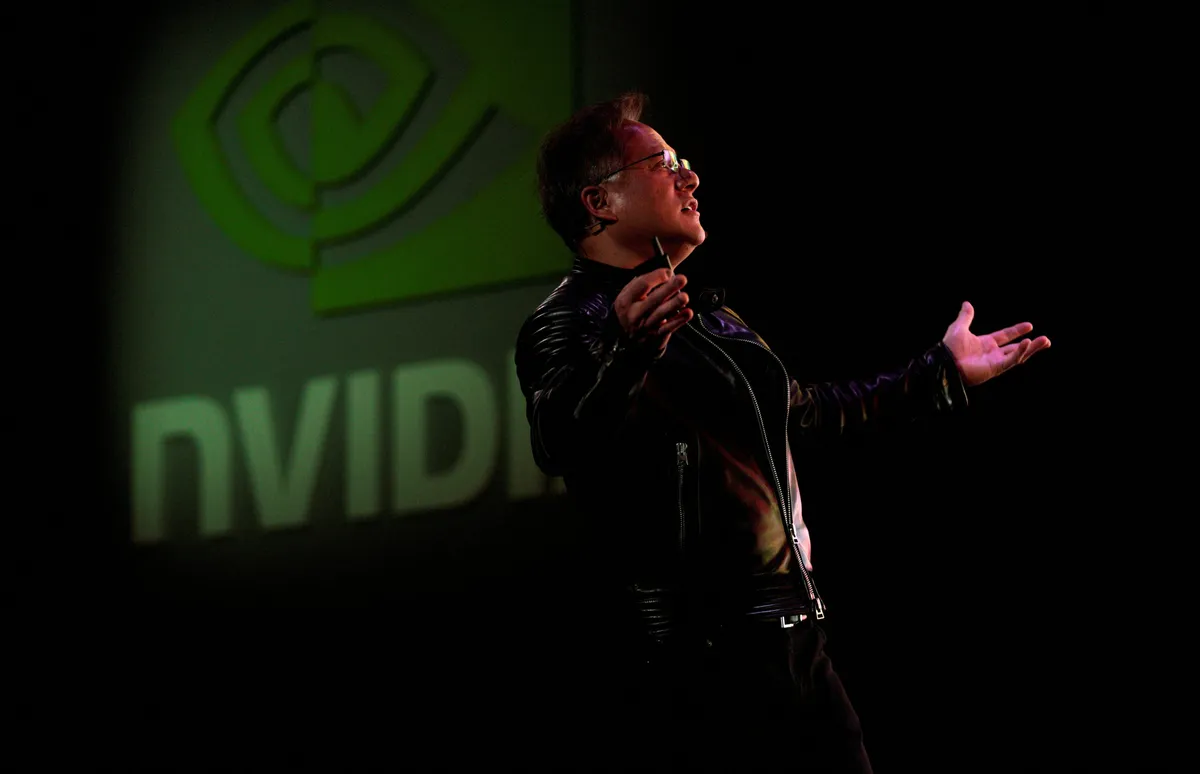
Nvidia CEO Jensen Huang has resigned following reports of extramarital affairs, including one involving a suspected Chinese spy, according to the Atlantic Council. Experts say the departure could affect US national security policy, Nvidia’s market position and the debate over technology restrictions on China.
- Jensen Huang resigned as Nvidia CEO following reports of extramarital affairs.
- Atlantic Council experts call Nvidia’s advanced chips vital to US leverage over AI capabilities.
- The departure could increase pressure for oversight and tighter semiconductor export controls.
- Investors are questioning whether Nvidia can sustain its dominance without Huang.
- China could respond to tougher restrictions with critical mineral curbs or probes of US firms.
Washington faces questions over chip security
Atlantic Council experts describe Nvidia’s advanced chips as central to the United States’ ability to limit the artificial intelligence capabilities of its adversaries. Trisha Ray, associate director and resident fellow at the GeoTech Center, calls the company’s position “the linchpin of the United States’ leverage in slowing down the AI capabilities of its adversaries.”
Ray also describes that dependence as “a single point of failure,” because US export controls rely partly on the security practices of a small number of companies and their leaders. Graham Brookie, vice president for technology programs and strategy, says the incident reflects “a broader failure of coordination and policy execution in how the US government manages national security threats,” rather than a failure of US intelligence.
Jessie Yin, associate director with the GeoEconomics Center, says Washington has been “caught flat footed” in managing risks involving intellectual property theft and direct targeting of the AI industry. She sees an opportunity for Congress to increase oversight of Nvidia’s national security role and strengthen semiconductor export controls.
The Atlantic Council says Congress has growing momentum behind measures including the AI Overwatch Act, the Chip Security Act and the MATCH Act. Ray also suggests security clearance-like requirements for company leaders and major customers, along with security audits of companies seeking export licenses.
Investors are reassessing Nvidia’s role in AI
Nvidia shares fell as markets reacted to Huang’s departure, according to the Atlantic Council analysis. Investors are questioning whether the company can maintain its dominance without a leader whose identity became closely tied to Nvidia’s success. Yin says Nvidia is “going to be unsteady for a while.”
The concerns extend beyond Nvidia’s stock price. Brookie warns that the US economy is highly exposed to a small group of AI companies that are also major strategic assets in geopolitical competition. A failure at one of those companies, he says, could affect both the economy and the national security ecosystem.
Nvidia’s influence also extends beyond chip sales. The company has become a major financier of the AI boom, described in the source as “the central bank of AI,” through investments in startups and support for customers that purchase its products. Yin says the coming months will show “how integral Nvidia has become to AI demand itself.”
Beijing could gain leverage over export controls
The leadership change comes ahead of a planned meeting next week between US President Donald Trump and Chinese President Xi Jinping. Kenton Thibaut, senior resident China fellow at the Digital Forensic Research Lab, says Beijing warned Washington against further technology restrictions earlier in the day.
Huang had opposed strict export controls and had been able to speak with both Trump and Xi. With Huang no longer involved, Thibaut says there may be “more political leeway to push forward on a more hawkish approach.” Yin says the scandal has “permanently damaged the company’s credibility to push back on export controls.”
Stricter controls could also prompt a response from Beijing. Thibaut says China could impose curbs on critical minerals or investigate other American companies, potentially complicating the Trump-Xi meeting. The Atlantic Council’s assessment therefore places Huang’s departure within a wider debate over how closely Nvidia’s commercial role, US national security and US-China technology policy have become connected.
Atlantic Council (AI): What Jensen Huang’s Nvidia exit means for Washington, Wall Street, and Beijing