Kodiak AI Says Driverless Long-Haul Safety Case Is 96% Complete
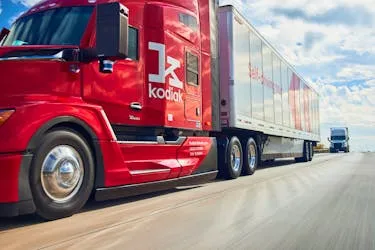
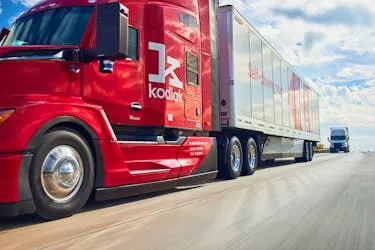
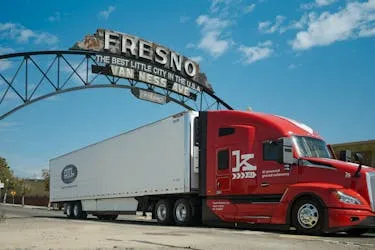
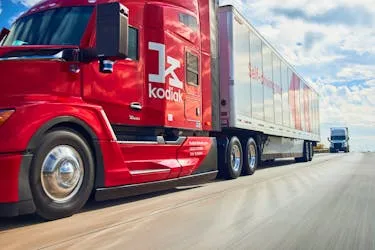
Kodiak AI says its Autonomy Readiness Measure for driverless long-haul operations reached 96% at the end of September 2026, up from 93% a month earlier. The company reaffirmed that it plans to launch unsupervised driverless long-haul commercial service by the end of 2026.
- Kodiak's Autonomy Readiness Measure for long-haul driverless operations reached 96% at the end of September 2026, up from 93% in August.
- The company says it remains on track to launch unsupervised driverless long-haul service by the end of 2026.
- Remaining work includes the long-haul risk assessment, verifying the launch vehicle configuration and demonstrating safety at highway speeds.
- As of the end of Q2 2026, Kodiak had 35 unsupervised driverless trucks deployed for Atlas Energy Solutions in the Permian Basin.
What the 96% figure measures
Kodiak AI, Inc. (Nasdaq: KDK) tracks its progress with the Autonomy Readiness Measure, or ARM. According to the company, the ARM shows the percentage of claims and evidence in its safety case for driverless operations that are materially complete.
Kodiak describes the safety case as a structured argument, supported by evidence, that the Kodiak Driver, its autonomous driving system, can operate safely in a defined operating environment. The company says it is now in the final stretch of completing its highway launch safety case ahead of a planned long-haul driverless launch in late 2026.
The company says it added five percentage points in two months, more than doubling its monthly rate of progress from earlier in the year. It attributes the rise to accelerated testing and validation work needed to put the Kodiak Driver into long-haul driverless service and operate it safely and consistently with commercial partners.
A steady climb through 2026
Kodiak reported an ARM of 84% as of February, 86% as of April, 91% as of July, 93% as of August and now 96% at the end of September.
CEO and founder Don Burnette said: "September was our best month yet for closing safety case claims." He added that the company has identified and scheduled the remaining engineering verification and validation activities, and expects to complete its long-haul safety case and launch before year's end. According to Burnette, the launch will not be a one-time milestone, and the safety case is built to support ongoing driverless service.
The long-haul effort builds on the safety case Kodiak completed for its industrial deployment in the Permian Basin. As of the end of the second quarter of 2026, the company had deployed its technology in 35 unsupervised driverless trucks with no humans in the cab. The trucks are owned and operated by customer Atlas Energy Solutions.
The work that remains
Frank Fratrik, Director of Safety at Kodiak, said this month's progress came from finishing the hazard analyses for the systems that take over if something goes wrong, and from strengthening the evidence through an adversarial review of the safety argument.
He listed what is left:
- completing the long-haul risk assessment with the company's Probabilistic Risk Assessment (PRA) methodology and Breakpoint simulation tool
- verifying the launch vehicle configuration
- demonstrating how the truck can ensure safety at highway speeds
"We continue to examine risks critically, even those that are highly unlikely to occur," Fratrik said.
What it means
The update gives a measurable view of how close Kodiak is to its stated goal of driverless operations on highways, a step beyond its existing industrial deployment. The ARM is the company's own metric, and the timeline is a forward-looking statement. Kodiak notes that actual results could differ materially, citing risks that include delays in its operational roadmap with key partners and customers, supply shortages, and its ability to raise capital.
Kodiak lists Atlas Energy Solutions, IKEA, Bridgestone, Werner Enterprises, C.R. England, General Dynamics Land Systems and Roehl Transport among its commercial partners and customers. Whether the long-haul launch arrives by the end of 2026 will depend on the company closing the remaining safety case work it has outlined.