LG Innotek teams with NVIDIA on sensing solutions for physical AI

LG Innotek is collaborating with NVIDIA to build sensing solutions for physical AI and robotics. At GTC Berlin on October 20, the company showed a 3-megapixel camera module and a Multi-modal Vision System designed around NVIDIA's Holoscan Sensor Bridge technology.
- LG Innotek showed a 3MP camera module and Multi-modal Vision System at GTC Berlin on October 20.
- Both are designed to implement NVIDIA's Holoscan Sensor Bridge (HSB) technology.
- HSB is an open-source Ethernet-connected fabric that sends sensor data directly to an AI computer without passing through the CPU.
- The companies plan to expand into vision sensing and robotic hands for humanoid robots, with solutions to be shown at next year's CES and GTC.
- LG Innotek also works with Aeva, Applied Intuition, Kakao Mobility and Boston Dynamics.
What LG Innotek showed at GTC Berlin
According to the company, LG Innotek unveiled its latest sensing solutions at GTC Berlin, held in Berlin, Germany, on the 20th. The lineup includes a 3-megapixel (MP) camera module and the Multi-modal Vision System (MVS). Both are designed to implement NVIDIA Holoscan Sensor Bridge (HSB) technology, which delivers real-time sensor connectivity to the GPU.
GTC is a developer and business strategy conference hosted annually by NVIDIA. It covers technology trends in areas such as GPUs, AI and autonomous driving, and brings together companies including Microsoft and Amazon.
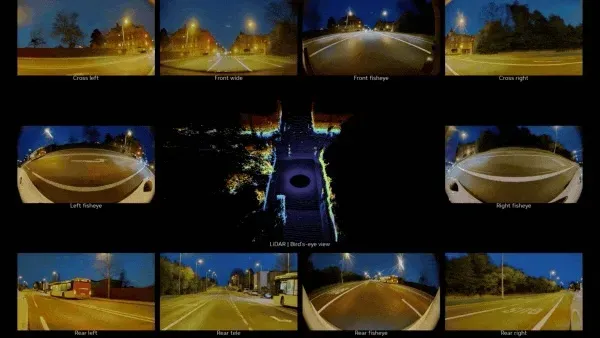
LG Innotek says its convergence sensing capabilities encompass cameras, LiDAR and radar. It adds that they are built on optical design expertise accumulated across the mobile, autonomous driving and robotics sectors.
Why Holoscan Sensor Bridge matters
HSB is NVIDIA's open-source Ethernet-connected fabric for sensors. According to the release, information gathered by sensors can be sent directly to an AI computer without passing through the CPU, effectively opening up a "data highway." The NVIDIA Holoscan Platform lets physical AI systems, including autonomous vehicles and robots, process information and make decisions more quickly.
The release states that the industry regards HSB as a core technology that will lead the future physical AI ecosystem. An LG Innotek official said the collaboration "will allow us to broaden our engagement with global physical AI companies utilizing NVIDIA's platform and expand opportunities to supply camera and sensing solutions equipped with HSB technology."
Next steps: robotic hands and vision sensing
The two companies plan to widen their cooperation on physical AI sensing solutions. These include vision sensing and robotic hands for humanoid robots that can be integrated with NVIDIA's next-generation platform using HSB technology. They intend to unveil these solutions at next year's CES and GTC.
LG Innotek also pointed to its wider physical AI activity:
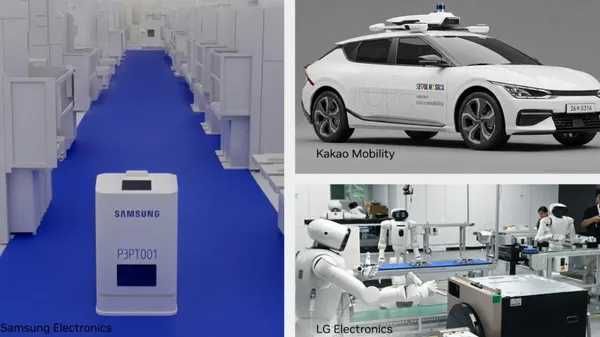
- Autonomous driving: a "strategic partnership" with U.S. LiDAR company Aeva last year, and, this year, collaborations with U.S. autonomous driving software company Applied Intuition and Korea's largest mobility platform company, Kakao Mobility.
- Robotics: development of robotic components with Boston Dynamics and the start of mass production of camera modules for North American robotics clients.
The company says it is leveraging core technologies in sensing, substrates and control, developed through work with global big tech clients, to build future growth engines.
What it means for the physical AI market
For LG Innotek, the NVIDIA tie-up is a way to reach more companies building on NVIDIA's platform. CEO Moon Hyuksoo said the collaboration is "further recognition of LG Innotek's technological competitiveness" and a chance to expand its convergence sensing solutions globally.
He described the company as a "physical AI total solution provider" covering not only sensing but also communication modules and semiconductor substrates. The release gives no prices or shipping dates for the new products. The next concrete milestone is the planned showing of next-generation solutions at CES and GTC next year.