Meta and Milan's Brera Gallery Test AI Glasses for Blind Visitors
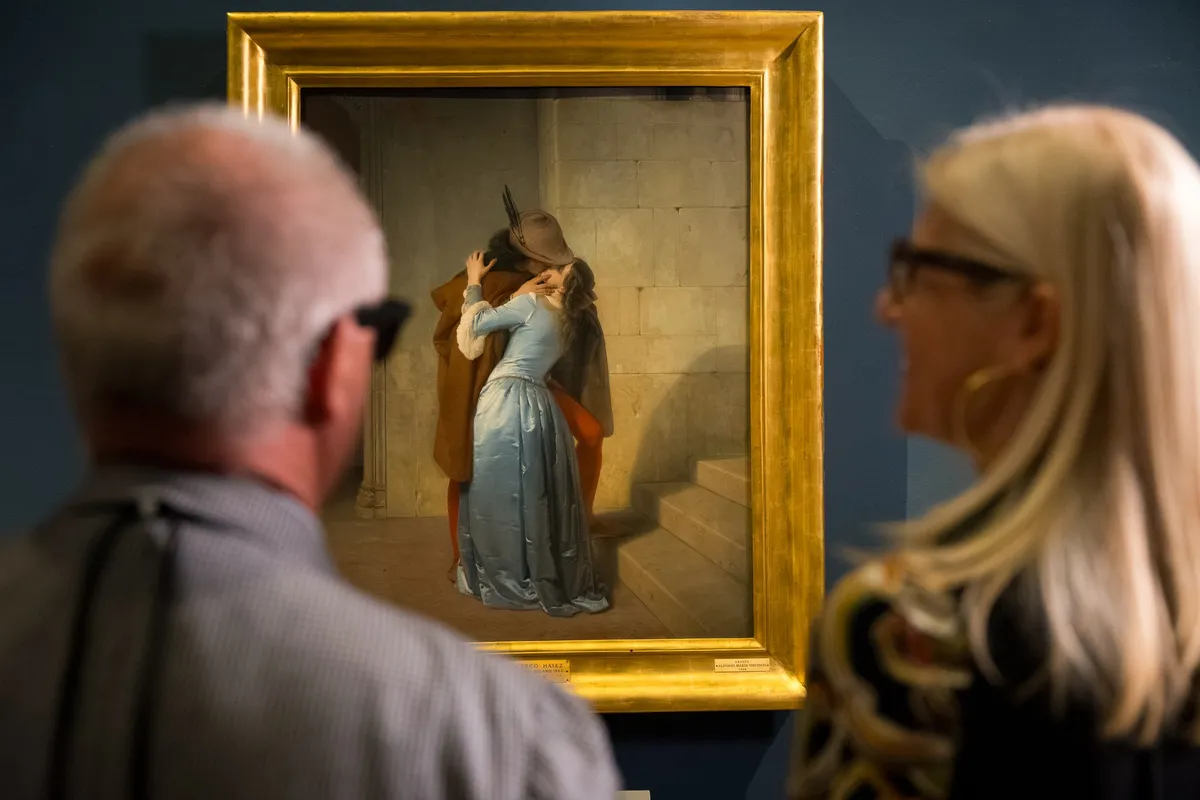
Meta, EssilorLuxottica and Milan's Pinacoteca di Brera have launched "Sensing Art," a pilot that uses AI glasses to help blind and low vision visitors experience paintings through spoken descriptions. According to Meta, it is one of the first projects of its kind in the world.
- Meta, EssilorLuxottica and Pinacoteca di Brera launched the "Sensing Art" pilot for blind and low vision visitors.
- The AI glasses connect to the Grande Brera app and its DescriVedendo audio descriptions for eight selected artworks.
- Meta AI and Be My Eyes offer extra help with questions and live support from volunteers.
- The tour is available by reservation, Tuesday through Friday, 10:00 AM to 4:30 PM.
What the pilot offers
The project, titled "Sensing Art, Discovering Masterpieces Beyond What Meets the Eye," explores how AI glasses can make art more accessible. It was developed with several Italian sight loss organisations: the Associazione Nazionale Subvedenti (ANS), the Unione Italiana dei Ciechi e degli Ipovedenti (UICI), and the Fondazione Istituto dei Ciechi di Milano.
Meta says that over one million people in Italy are blind or visually impaired, and that art and culture is one area where accessibility can be a challenge. The company describes AI glasses as a way to give blind and low vision people access to AI technology that can help with everyday tasks such as reading text, identifying objects and accessing information about their surroundings.
How it works at the museum
The glasses, developed by Meta and EssilorLuxottica, have been integrated with the museum's existing Grande Brera app. The app includes an audio tour guide created by ANS for blind and low vision visitors. The tour uses the DescriVedendo method, which turns an artwork's shapes, composition and visual details into spoken words.
The pilot covers eight selected artworks. When a visitor stands in front of one of them, they can activate artwork recognition directly from the glasses and hear the matching audio description through open-ear speakers built into the frames. According to Meta, these speakers let visitors stay aware of their surroundings and engage more naturally with people nearby. Short orientation tracks between works complete the itinerary.
Visitors can also use two additional tools on the glasses:
- Meta AI, which lets users ask questions about the context and surrounding environment.
- Be My Eyes, which connects visitors with sighted volunteers and qualified operators for real-time support with orientation and practical tasks during the tour.
Built with the people it serves
Meta says the pilot went through phases of testing and consultation with blind and visually impaired people, and that their direct involvement shaped both the experience and how visitors access it.
Maxine Williams, VP Accessibility at Meta, said: "When innovation addresses real needs, it can create tangible value in people's lives." Angelo Crespi, Director of Grande Brera, said the Pinacoteca "continues to be a place of experimentation in which to explore new languages and tools capable of bringing a universal heritage closer to an ever-wider audience." He added that DescriVedendo has for years been an important part of the museum's commitment to accessibility.
How to take the tour
The tour is available at the Pinacoteca di Brera by reservation. AI glasses are offered Tuesday through Friday from 10:00 AM to 4:30 PM. Booking details are available on a page linked from Meta's announcement.
For now the project is a pilot limited to eight artworks in a single museum. It shows how the museum and its partners are testing wearable AI as an addition to an existing audio guide, rather than a replacement for it.