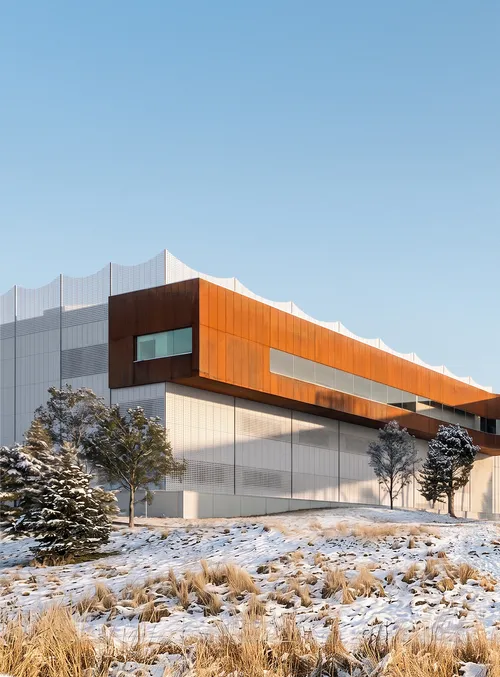
Meta backs lower carbon cement, steel, freight and plastics
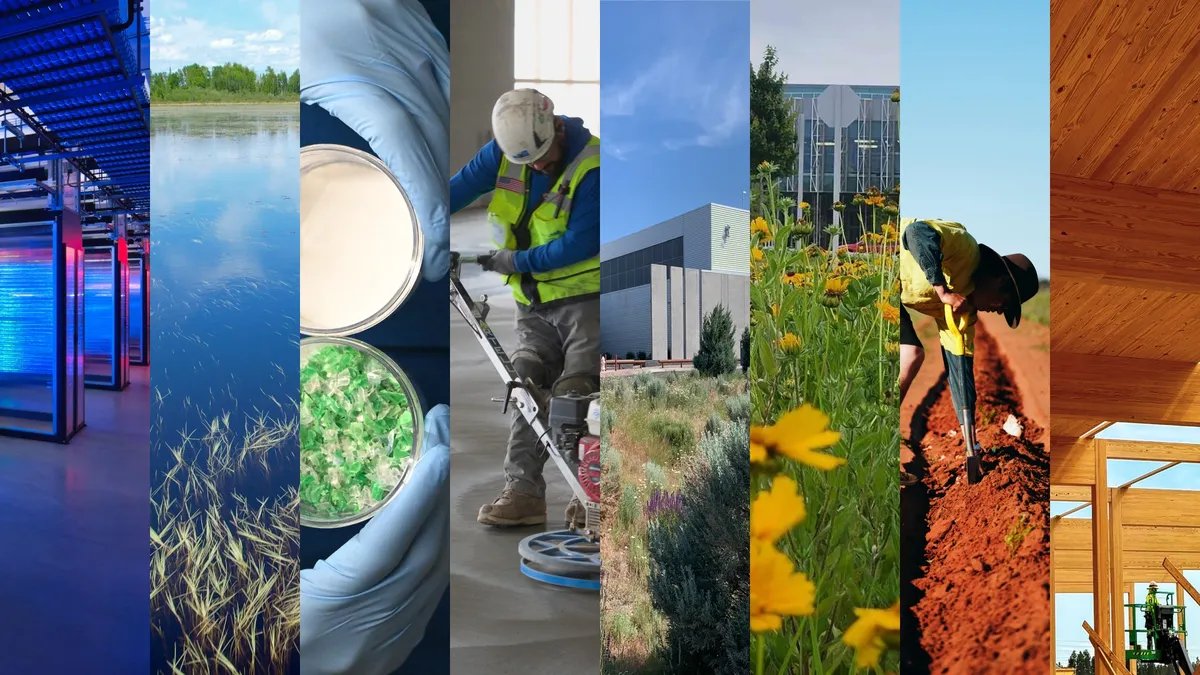
Meta has signed a new set of long term purchase agreements covering cement, steel, trucking and recycled plastics for its data center supply chains. The company says the commitments are intended to help lower carbon manufacturing reach commercial scale.
- Meta will support at least 180,000 tons of lower carbon cement production with Sublime Systems.
- A Stegra agreement supports near zero emission primary steel made without coal in iron reduction.
- Nevoya’s electric freight work will expand to a California and Arizona route along I-10.
- MacroCycle’s planned plant aims to produce 5,000 tons per year of recycled PET.
- Meta estimates the US projects will support hundreds of construction and manufacturing jobs.
Commitments cover core construction materials
Meta said its data center infrastructure requires significant quantities of cement, steel and plastics, as well as freight networks to move those materials. The company argues that reducing construction emissions requires more than changing suppliers. It also requires bringing lower carbon materials and services into commercial production.
Under a multi year agreement with Sublime Systems, Meta will support at least 180,000 tons of lower carbon cement production. The support is intended to help Sublime build its first commercial scale facility, while giving Meta priority access to Sublime Cement for its data center construction pipeline.
Meta has also agreed to support a new plant in Ste. Genevieve, Missouri, from lower carbon cement producer Fortera. According to Meta, both companies expect their early plants to add domestic lower carbon cement capacity and create new American jobs. The agreements follow earlier lower carbon concrete projects with CarbonBuilt and CarbiCrete.
Steel, electric freight and recycled plastics
Meta is extending earlier work on clean iron from Electra into steel. A new multi year agreement with Sweden based Stegra supports near zero emission primary steel made through a process that eliminates coal from iron reduction. Meta said supporting the facility during its production ramp can help validate technologies that may scale across the global steel industry.
The company is also expanding its work with Nevoya to include a California and Arizona route along the I-10 interstate. The move builds on zero emission freight partnerships with NFI in Virginia and Nevoya, working with the Center for Green Market Activation, in Texas. Meta said electric trucks produce zero tailpipe emissions and run more quietly than diesel vehicles. Permanent, open access charging stations will support other commercial fleets along the routes.
A long term purchase agreement with MacroCycle Technologies is financing the company’s first commercial plant in the Southeastern US. The plant aims to divert hard to recycle plastic waste from landfills and local incinerators and produce 5,000 tons per year of high value recycled PET.
Meta says agreements can widen market access
Meta said the commitments give suppliers revenue certainty to build lower carbon solutions and help demonstrate those technologies so the wider market can adopt them. The company is focusing the work domestically as it expands its data center footprint in the US, where it says clean materials and services remain limited in supply.
Across planned and expanded US plants, Meta estimates the work will support hundreds of jobs in construction and long term manufacturing. The company said the benefits will be local to the communities where its partners operate.
The agreements are structured to deliver Environmental Attribute Certificates, or EACs. Under this approach, a supplier produces verified lower carbon materials or services, Meta pays for the environmental benefit, and the material or service is used in the local market. Meta said this allows it to support lower carbon production now and, where possible, secure priority access to materials for future data centers as factories and supply chains develop.
For users and the broader market, the announcement signals an attempt to use data center demand to support suppliers building lower carbon products. Meta said its aim is for lower carbon cement, steel, recycled plastics and electric freight to become standard options available to any builder.