Microsoft Opens Circular Centers in Wales and Australia to Recycle Azure Hardware
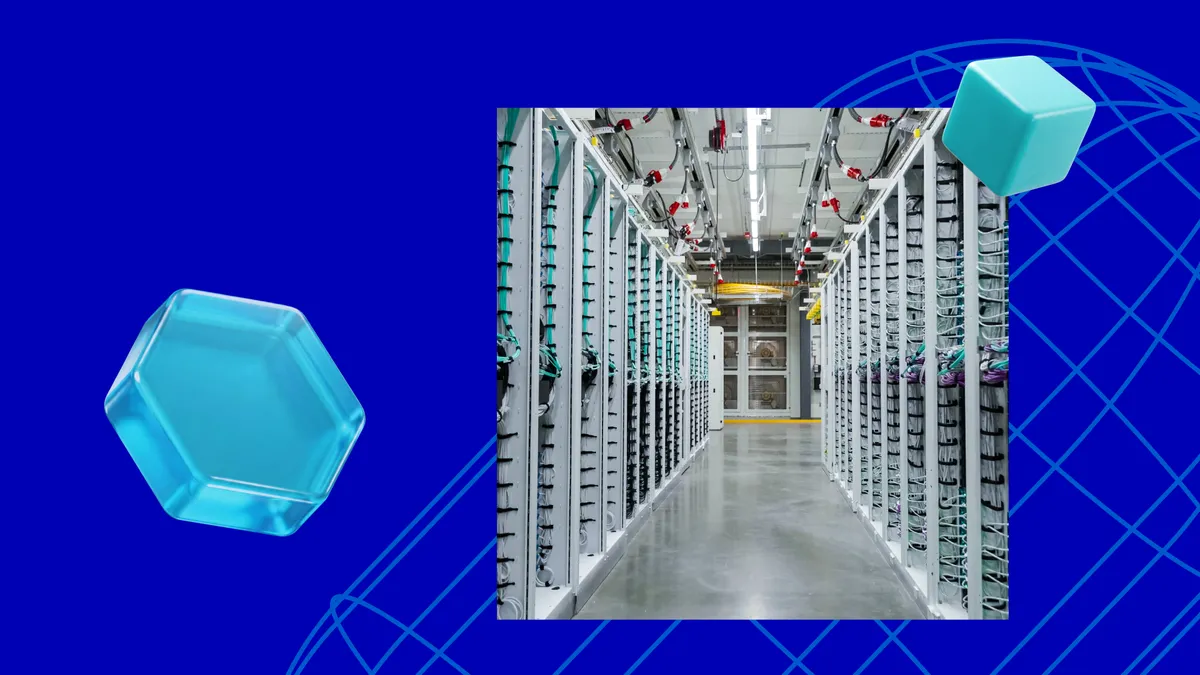
Microsoft has opened new Circular Centers in Newport, Wales, and Sydney, Australia, bringing its network for handling retired Azure datacenter hardware to eight sites. According to the company, it achieved a 92% reuse and recycling rate for decommissioned servers and components last year.
- Microsoft opened Circular Centers in Newport, Wales, and Sydney, Australia, bringing the total to eight.
- The company says it reached a 92% reuse and recycling rate for decommissioned servers and components last year.
- A new Circular Center is planned for San Antonio, Texas.
- Since 2014, cores per rack have risen approximately 13-fold while power for the same task fell roughly 90%, per Microsoft.
- Microsoft says Cobalt 200 delivers up to 50% higher performance than Cobalt 100.
Eight centers across three regions
Microsoft says every new generation of cloud infrastructure creates two jobs: deploying more capable systems quickly and managing the hardware they replace responsibly. In a blog post, Alistair Speirs, General Manager of Global Infrastructure, wrote that Microsoft Circular Centers help determine the next useful life of equipment once it leaves active service.
With the Newport and Sydney launches, the work now spans North America, Europe, and Asia Pacific. Microsoft says the eight centers operate as a connected global network, and a new center is planned for San Antonio, Texas.
According to the company, the facilities help it recover components, prepare space for new infrastructure, and get more value from hardware and materials already in its system.
What happens to a retired server
Microsoft says retiring a server at its scale is more complex than sorting parts into recycling bins. Every server must be securely decommissioned, and data-bearing components wiped. The company then decides how to recover the most value from it, asking whether the complete system can serve another purpose, whether processors and memory can keep working elsewhere, and which materials can return to the supply chain.
Staff at the Circular Centers give the hardware a series of possible next lives:
- Complete systems can support Microsoft labs and training environments, help schools and universities teach technical skills, or be sold to qualified buyers for continued use.
- Components can become spare parts for other systems.
- Materials are recycled when reuse is no longer possible.
Microsoft is also investing in automation with AI-powered capabilities, such as robotic disassembly and autonomous material handling, to speed up the recovery of components and materials.
Denser, more efficient hardware
The post ties the recycling effort to the pace of hardware refresh. Microsoft says that compared with early general-purpose systems, today's servers offer significantly more processor cores, memory capacity, and network bandwidth. Since 2014, cores per rack have increased approximately 13-fold, while the power needed to complete the same task has fallen by roughly 90%, according to Microsoft internal analysis. As an example, the company says a workload such as code compilation that used approximately 100 watts on early systems can now be completed with less than 10 watts.
Microsoft points to Azure Cobalt, its custom-designed cloud processor, as one example of optimizing silicon, servers, networking, storage, and software together. It says Cobalt 200 delivers up to 50% higher performance than Cobalt 100 and includes the latest Microsoft security, networking, and storage technologies.
What it means for Azure customers
Microsoft argues that these behind-the-scenes processes matter to Azure customers. Newer systems deliver more compute from the space and power available in a datacenter, while reuse, refurbishment, and recycling of older equipment can extend the life of valuable components and return materials to the supply chain, which the company links to cost efficiency and reliability.
As demand for cloud and AI grows, Microsoft says it needs to get more compute from every rack and every watt, and more value from every server and component. The company describes Circular Centers as a way to make responsible recovery part of how it grows Azure and builds capacity for what customers need next.