Microsoft AI's MAI-DxO beats physicians in diagnostic tests, published in Science
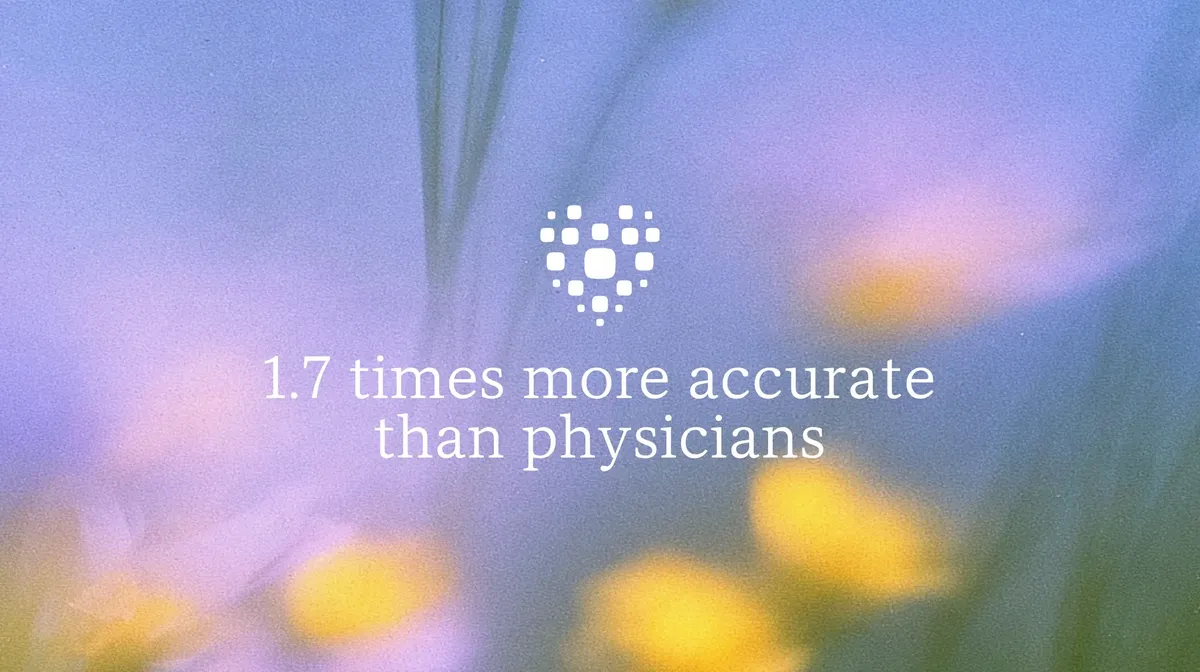
Microsoft AI says its diagnostic system MAI-DxO is 1.7 times more accurate than physicians on common US emergency department presentations. The company's work is published in Science, and it frames the result as a step toward what it calls medical superintelligence.
- Microsoft AI says MAI-DxO is 1.7 times more accurate than physicians on common US emergency department cases from MIMIC-IV-ED.
- On complex cases published in The New England Journal of Medicine, it is more than twice as accurate as physicians using textbooks and the internet, and nearly four times as accurate as physicians without them.
- The company says it reaches the right diagnosis at half or even one third of the cost, with fewer tests and procedures.
- The work is published in Science, with a related vision paper in BMJ Digital Health and AI.
What Microsoft AI reports
According to the MAI Health Team at Microsoft AI, MAI-DxO is an AI diagnostic system built to help clinicians work through a complex medical diagnosis step by step. The company says the aim is higher accuracy, lower cost and fewer medical tests.
On common presentations to a US emergency department, Microsoft AI says MAI-DxO is 1.7 times more accurate than physicians. That comparison used cases from MIMIC-IV-ED.
The company also reports results on what it describes as medicine's most complex cases, which were published in The New England Journal of Medicine. There, according to Microsoft AI, MAI-DxO is more than twice as accurate as physicians who use textbooks and the internet. It is nearly four times as accurate as physicians who diagnose without those resources.
Lower cost and fewer tests
Accuracy is only one part of the claim. Microsoft AI says MAI-DxO reaches these results at half or even one third of the cost. The system, it says, gets to the right diagnosis with fewer tests and procedures.
That matters because unnecessary testing adds expense to care. The source does not break down how the cost figures were calculated, so the numbers should be read as the company's own account of its results.
Publication and what comes next
Microsoft AI says its work is published in Science on the day of the announcement, October 22, 2026. It also points to a paper on its vision for medical superintelligence, published the same week in BMJ Digital Health and AI. Peer-reviewed publication in a journal like Science means the research has been examined by outside experts, which gives the claims more weight than a company blog post alone.
The announcement frames the findings as a future that is now coming into view: AI that supports clinicians through complex diagnoses rather than replacing the steps they take. The source does not say when or whether MAI-DxO will be available to clinicians or patients, and it gives no details on deployment, pricing or regulatory status.
For now, the news is mainly a set of research results. If the figures hold up as others examine the published studies, they point to AI diagnostic tools that could be judged on three measures at once: accuracy, cost and the number of tests needed. Readers who want the full methodology and limits of the evaluation will need to consult the papers in Science, The New England Journal of Medicine and BMJ Digital Health and AI.
Microsoft AI: Building Medical Superintelligence | Microsoft AI