Nvidia-Megaspeed case exposes gaps in US AI chip export controls
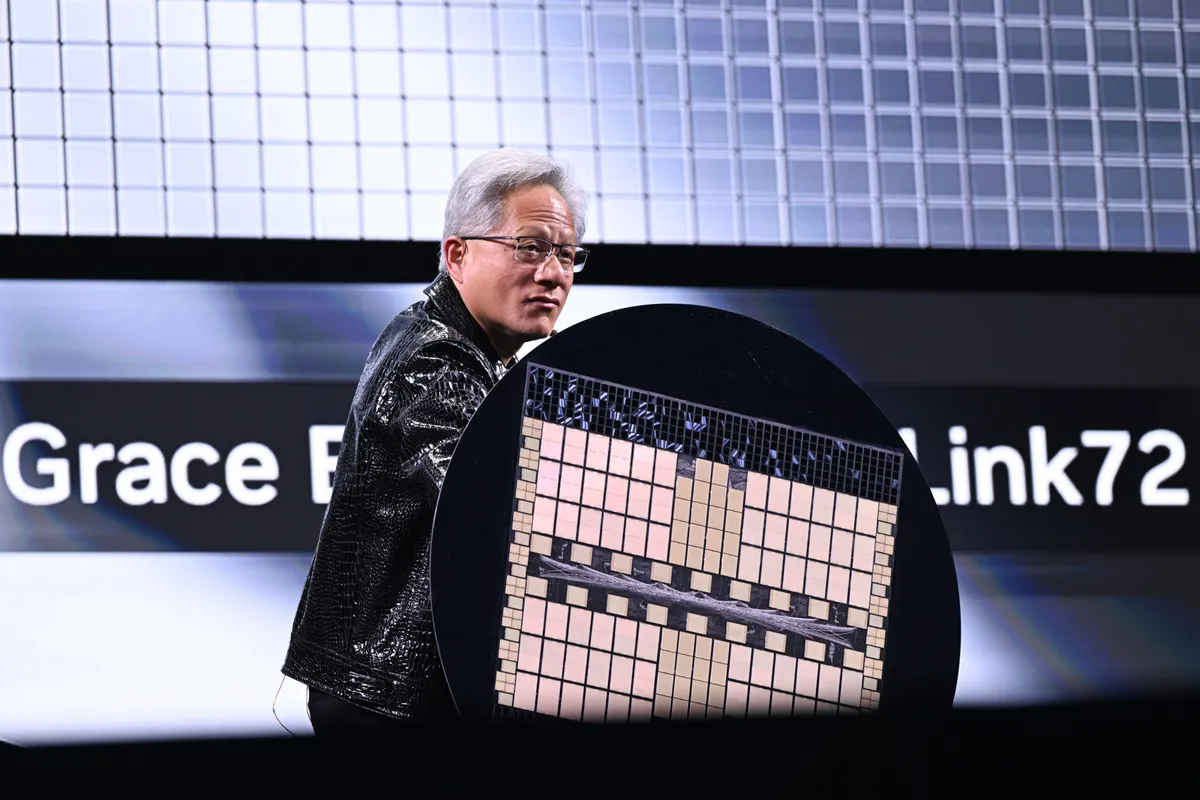
The Nvidia-Megaspeed controversy is exposing limits in the US system for preventing advanced AI chips from reaching China, according to an Atlantic Council analysis. The case also raises questions about whether private companies can be expected to put national security ahead of commercial interests.
- Megaspeed imported at least $4.6 billion of Nvidia technology from 2023 to 2025.
- The company denies allegations that it diverted restricted chips to China.
- Nvidia’s location-monitoring system is voluntary and limited to Nvidia Cloud Partners.
- The Chip Security Act and Remote Access Security Act seek tighter controls.
Megaspeed’s role in the chip diversion concerns
Megaspeed International, a Singapore-based technology company that operates as a cloud computing provider, has become Nvidia’s largest Southeast Asian buyer since 2023. The company imported at least $4.6 billion worth of Nvidia technology between 2023 and 2025.
Megaspeed rents Nvidia chips to Chinese technology companies including Alibaba at data centers across Southeast Asia. The Atlantic Council says that arrangement does not violate current US export-control regulations. However, the company faces suspicions that it physically diverted restricted chips to China, which would be prohibited. Megaspeed denies wrongdoing, and no charges have been filed.
The scrutiny has also focused on Alice Huang, a former Megaspeed executive. Reports cited by the Atlantic Council allege that she had a personal relationship with then-Nvidia CEO Jensen Huang and was recruited by Beijing’s Ministry of State Security to obtain information about US chips and potentially influence Nvidia’s export position.
Voluntary monitoring leaves enforcement gaps
The US has faced persistent difficulty stopping advanced AI chips from being diverted to China since the Biden administration established extensive export controls in 2022. The Atlantic Council points to smuggling networks and a case involving a senior executive at Super Micro Computer Inc. The indictment alleged that the executive and two others helped divert $2.5 billion worth of Nvidia-powered servers to China.
Nvidia has introduced its “fleet intelligence” system, which can track hardware metrics including location. Enrollment is voluntary and limited to Nvidia Cloud Partners. Nvidia also does not generally require customers to share location data with the company or the US government.
The company has removed more than half of its Asian buyers from its pre-approved list. It has also reportedly told cloud partners not to rent more than half of their computing capacity to Chinese companies, although US regulations do not require that restriction. Nvidia has continued to argue that tighter limits on sales to China could encourage domestic alternatives.
Congress considers tighter rules and oversight
The Trump administration reversed the AI Diffusion Rule in 2025 and has allowed sales of Nvidia H200 chips to China through case-by-case licensing during 2026, with the US government taking a 25 percent cut. The Atlantic Council says export-control enforcement could receive renewed attention from the incoming Democrat-controlled Congress.
The Chip Security Act would require location verification for advanced AI chips before export. It passed the House Foreign Affairs Committee unanimously in March 2026. The Remote Access Security Act would give the Bureau of Industry and Security authority to regulate remote access to controlled chips through cloud services. It passed the House 369, 22 in January 2026 but has not moved in the Senate.
For users and the wider AI market, the dispute highlights a conflict between access to cloud computing and efforts to keep restricted technology out of China. The Atlantic Council argues that Washington should strengthen enforcement, examine the Commerce Department’s decisions and help private companies improve counterintelligence cooperation with government agencies and foreign partners.
Atlantic Council (AI): Beyond the spy scandal: What the Nvidia-Megaspeed case reveals about export controls