OpenAI’s Pierre Deal Pushes Codex Deeper Into the Developer Workflow
OpenAI has agreed to acquire Pierre Computer Company, the developer tools maker behind the Trees and Diffs libraries used in the Codex app. The deal could give Codex a larger role in how developers browse, review and edit agent-generated code, while teams using several coding agents face a governance question: where should their code rules live?
- OpenAI agreed on 4 Nov 2026 to acquire Pierre Computer Company.
- Pierre’s Trees and Diffs libraries are used to browse and edit code in Codex.
- The deal has not closed, and its price is undisclosed.
- Pierre’s open-source projects will remain open source.
- Qodo argues that review rules should sit outside any single coding agent.
OpenAI is buying the tools behind Codex’s code views
OpenAI agreed on 4 Nov 2026 to acquire Pierre Computer Company, Inc. The deal has not closed and remains subject to customary closing conditions, including regulatory approvals. OpenAI and Pierre will remain separate and independent companies until closing, and the price has not been disclosed.
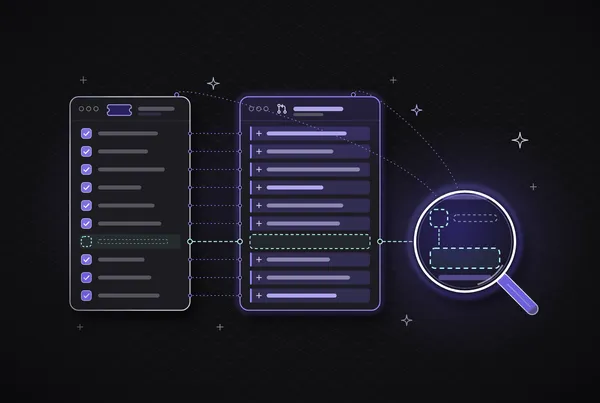
Pierre makes a Git storage service and open-source libraries for displaying code. Its Trees library shows a project’s files, while Diffs displays code changes and includes an edit mode that lets developers change a line inside the diff. According to OpenAI, developers who have browsed files or viewed a change in the Codex app have already used Pierre’s work.
Pierre’s Code Storage service lets apps store code and track its history using Git. Its customers will continue using the service while OpenAI brings its features into Codex. Pierre’s open-source projects will remain open source, and OpenAI says it will continue contributing to them.
The deal expands Codex’s role in the software workflow
The acquisition places more of the developer workflow inside one coding agent’s app. Pierre’s libraries support the screens where developers read files, inspect changes, add comments and edit code. OpenAI said its goal is to make Codex “the place where developers and agents take on their most ambitious projects” and connect “the code a company ships with the decisions its people make.”
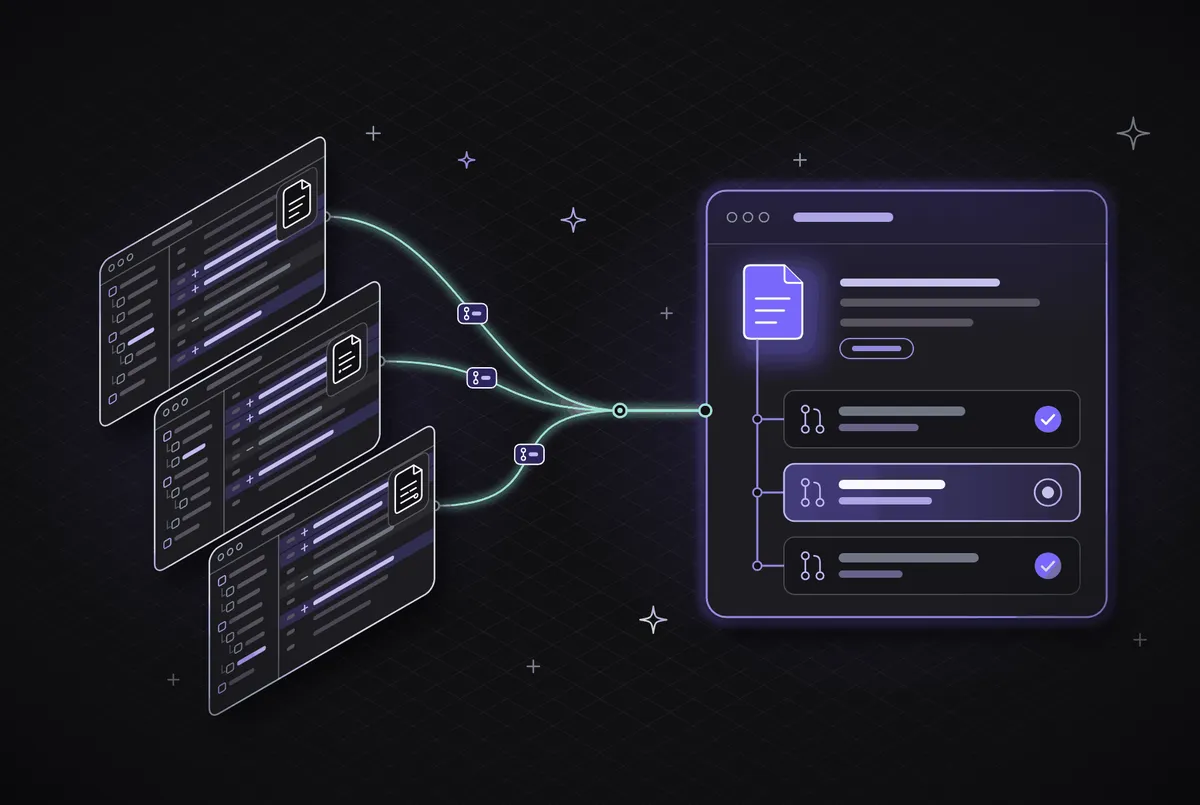
OpenAI also linked the acquisition to Pando, the Git backend it described two days earlier for engineers and agents working in parallel. Qodo’s analysis says the deal targets infrastructure around where code is stored, reviewed and shipped, although OpenAI’s announcement does not mention GitHub.
The move reflects a wider contest among coding agent vendors to become the main workspace for software development. Claude Code on desktop has been described by Anthropic as taking developers “from writing code to merging PRs in one place.” Cursor 3 calls itself “a unified workspace for building software with agents,” while Origin, Cursor’s Git forge in early beta, places repositories and pull requests alongside its agents.
Teams using several agents still need shared review rules
A more complete workspace can also spread a team’s work across separate systems. Codex reads AGENTS.md, while Claude Code reads CLAUDE.md. When teams maintain different instruction files and tool settings, rules can drift, standards can be missed and no single place may show what every agent changed.
Qodo says 34.6% of surveyed developers report that agents always follow organizational standards. More than 40% of pull requests on GitHub started with an agent’s first draft in September 2026, up from 17% in March, according to GitHub Octoverse 2026. In the Qodo survey, 38.3% of engineering leaders identified visibility into code agents’ creations or modifications as one of the biggest quality and governance gaps.
Qodo’s proposed answer is to keep review rules outside any single coding agent. Its REVIEW.md file sits at a repository’s root and tells Qodo’s review agents what to flag and how to prioritize findings on every pull request. Organization-wide custom instructions can add guidance through the Qodo portal. This approach means the same review layer can check code from Codex, Claude Code or another agent, regardless of which Git provider hosts the repository.
OpenAI’s announcement focuses on developer tools inside Codex and does not describe a system for shared code rules. For teams running multiple coding agents, the Pierre deal therefore makes workspace consolidation more tangible, but it does not remove the need to decide how review standards are stored and applied across those tools.