Partnership on AI adds eight mental health groups and launches well-being working group
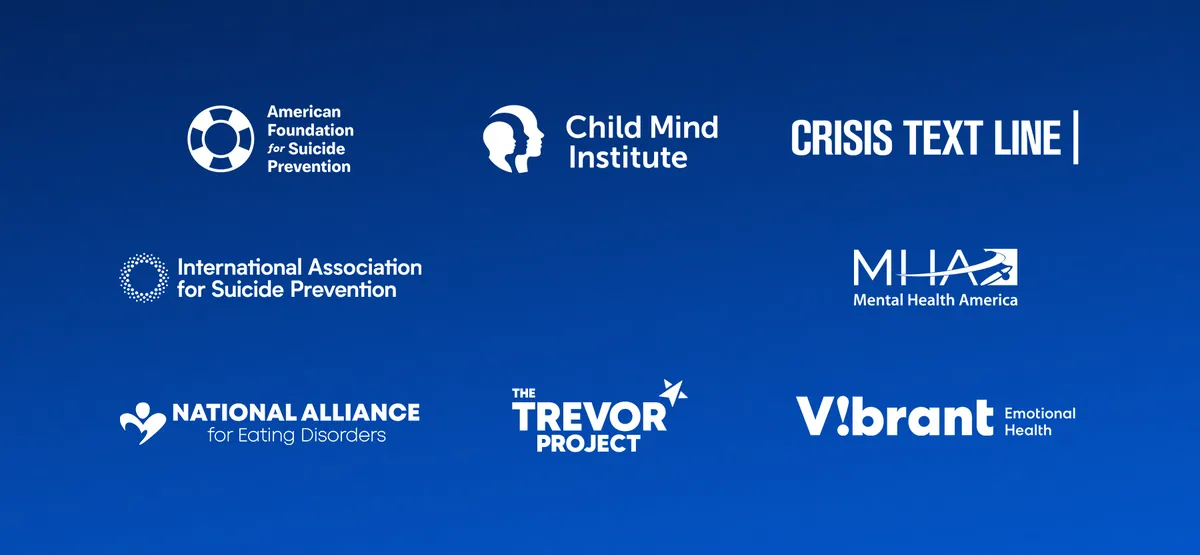
Partnership on AI (PAI) has welcomed eight mental health and suicide prevention organizations as new Partners, as it launches a new area of work on AI and psychological well-being. The announcement came ahead of World Mental Health Day on October 10.
- Partnership on AI welcomed eight mental health and suicide prevention organizations as new Partners.
- PAI launched a new area of work on AI and psychological well-being, part of its 2027-2031 strategic plan.
- The new AI and Psychological Well-being Working Group pairs AI company practitioners with mental health experts, clinicians, researchers and people with lived experience.
- Its first task is guidance on how general-purpose chatbots should respond to users who may be at risk of suicide or self-harm, with a draft open for public input later this year.
- PAI's network now spans more than 150 organizations across 19 countries.
Who is joining
The new Partners are the American Foundation for Suicide Prevention, the Child Mind Institute, Crisis Text Line, the International Association for Suicide Prevention, Mental Health America, the National Alliance for Eating Disorders, The Trevor Project, and Vibrant Emotional Health.
According to PAI, these are organizations people turn to when they need help most, and people are increasingly turning to AI systems in those same moments. PAI says the frontline and clinical experience these groups hold needs to shape how such systems are built. They join a global network of more than 150 organizations across 19 countries.
Rebecca Finlay, CEO of Partnership on AI, said: "People are seeking help, connection, and care through AI chatbots, but what is safe to do?" She added that the people who have spent decades building safe, compassionate mental health support are essential voices in how these systems are designed and governed.
A new working group on chatbot responses
The new work focuses on AI and psychological well-being. It sits within AI, Human Connection, and Well-being, one of the core focus areas in PAI's 2027-2031 strategic plan, Shared Stakes, Lasting Impact. According to PAI, the plan's goal is responsible AI business practices that serve the public interest, meaning AI built with the people it affects, governed accountably, and operated fairly, transparently, reliably, and securely.
At the center is the new AI and Psychological Well-being Working Group. It pairs practitioners from leading AI companies with mental health and suicide prevention organizations, clinicians, researchers, and people with lived experience.
Its first task is practical guidance on how general-purpose AI chatbots should respond when someone may be at risk of suicide or self-harm. PAI says a draft will be open for public input later this year.
What the new Partners say
Several of the new Partners described their motivations in statements published by PAI.
- American Foundation for Suicide Prevention: Chief Medical Officer Christine Moutier said the group is prioritizing deeper understanding and support of AI in mental health and suicide prevention education, research and engagement.
- Child Mind Institute: President and Medical Director Harold S. Koplewicz said the institute looks forward to working with a diverse group of stakeholders so that these technologies are developed and deployed safely, ethically, and for the benefit of children and families.
- Crisis Text Line: Elizabeth Olson, VP, AI/NLP Clinical Research Science, said organizations working at the intersection of technology and mental health need a seat at the table. The organization provides free, 24/7, confidential text-based support in English and Spanish.
- Mental Health America: Chief Research Officer Theresa Nguyen said responsibly designed AI tools hold promise for filling gaps in access to care and supporting the mental health workforce, and that the needs of AI users with mental health conditions and substance use disorders should be centered.
- National Alliance for Eating Disorders: Founder and CEO Johanna S. Kandel said it is critical to consider both AI's potential to improve lives and the ways it can create new risks and harms.
The International Association for Suicide Prevention, which leads World Suicide Prevention Day each year on September 10, is also among the new Partners.
What it means
The announcement signals that guidance on chatbot behavior in moments of crisis will be developed with input from organizations that work directly with people at risk, alongside practitioners from AI companies. The first output, guidance on responses to possible suicide or self-harm risk, is due as a draft for public comment later this year, according to PAI.
Partnership on AI: Partnership on AI Welcomes Eight New Partners Advancing Mental Health and Well-being