Skydio ISR Command lets one operator run two X10D drones for persistent coverage
Skydio has launched ISR Command, a system that lets a single operator control two X10D drones from one Skydio Controller and keep continuous eyes on a target. According to the company, it is available now.
- Skydio ISR Command lets one operator control two X10D drones from a single Skydio Controller.
- The system hands off target custody between aircraft when one needs a battery, according to Skydio.
- The X10D navigates without GNSS and is TAK-native, sharing data via TAK and the Army's NGC2.
- Skydio says the 2.14kg (4.72lbs) X10D is the smallest UAS able to deliver precise target location to strike assets.
- ISR Command is available now, per Skydio.
A mission without switching devices
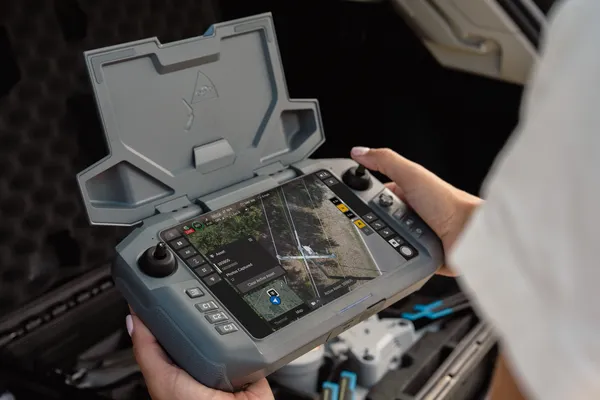
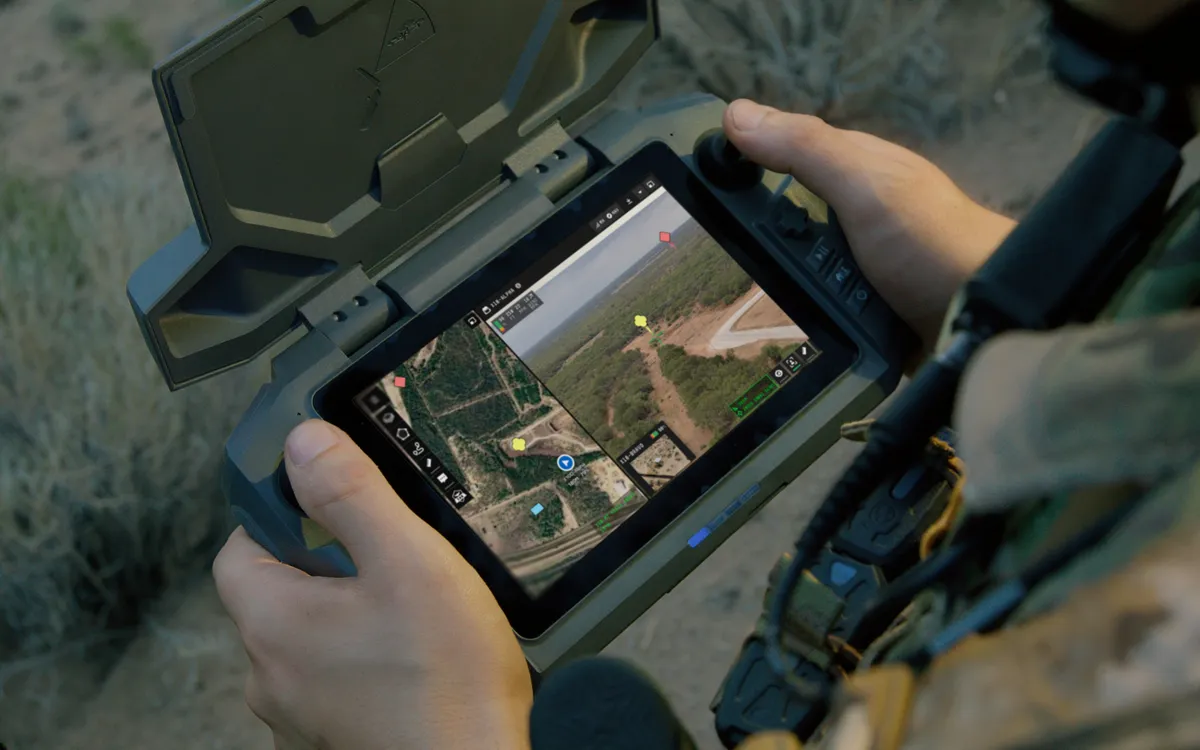
Skydio describes a scenario in which a forward-deployed unit receives an objective over its operational network: determine whether people inside a parked vehicle near a compound are hostile. The operator sees the marker on the Skydio Controller, reviews the terrain and prepares the mission before any aircraft is powered on. With one swipe, and without GPS, an X10D launches and flies on its own to the planned recon point.
Once on station, the operator tells the system to track and follow the vehicle. Skydio says the system keeps lock and updates the target's position on the network. When the first aircraft nears its endurance limit, the pilot sends a second aircraft to the same objective using the same controller. Custody of the target transfers, the first drone returns, and the team does not lose sight of the target.
Skydio argues that tactical ISR today takes too many people moving between too many devices. Operators fly from one screen and report from another, while managing batteries, links and mission context by hand. ISR Command is meant to change that.
Less workload, more coverage
The company says demand for tactical ISR is growing faster than the force can recruit and train specialized people. Adding aircraft without changing the operating model, it says, would only create more workload and more detached video feeds. ISR Command instead shifts more of the execution burden to the system.
Skydio Autonomy handles flight, subject tracking, standoff distance and obstacle avoidance, according to Skydio, leaving the operator to decide where to look, what changed and who needs to know. The X10D navigates without GNSS, using onboard cameras that map terrain in real time. Skydio also points to multi-band radio and dynamic channel switching, developed with feedback from front-line users, as features that add resilience in contested environments. The company says the autonomy means operators need minimal training to fly complex ISR missions, and that one operator can fly two aircraft, so a unit can add persistent coverage without adding operators.
The map-first workflow lets operators receive objectives and markers over TAK, review terrain and friendly positions, and assign a role to each aircraft without using battery. ISR Command anticipates when an X10D must return for a battery, tells the pilot to ready a second one, flies it to the objective and takes over observation.
Sharing the target picture across the force
ISR Command is built with a Modular Open Systems Approach, is TAK-native and runs on the Skydio Controller. It is designed to share persistent situational awareness across the Army's Next Generation C2 Systems (NGC2) from small Group 1 UAS at the tactical edge. Operators can:
- Select a subject in the camera view, track it automatically, and share its live position through TAK and NGC2.
- Exchange markers and chat with other TAK users from the flight interface.
- Send live video, aircraft and target locations, telemetry and battle damage assessment to command posts, adjacent units and effects teams.
Skydio says the X10D, at 2.14kg (4.72lbs), is the smallest UAS on the market able to deliver precise target location to everything from attritable One-Way Attack strike drones to F-16s. The system supports STANAG 4609 (MISB ST 0601) for metadata, including location, embedded in a real-time video stream for static targets, and STANAG 0903 (MISB ST 0903) for moving targets. When a target is confirmed, the operator passes the grid, and the camera stays on the target for battle damage assessment.
What it means for units and buyers
Skydio positions ISR Command as a single system for battlefields, borders and critical sites. For operators, it means running the mission rather than the equipment. For small unit leaders, it means keeping eyes on an objective with ISR they launch and control. For ground force commanders, it means sustained operations from small, organic Group 1 systems connected to the wider force.
For acquisition leaders, the company highlights an open system with one provider accountable for making the full controller-to-aircraft stack work. Skydio says ISR Command is available now and invites units to plan a demo through its website. Pricing was not given in the announcement.
Skydio: Skydio ISR Command: Persistent ISR for Small Units