Stripe Data Pipeline Now Syncs Real-Time Stripe Data to Databricks Lakebase
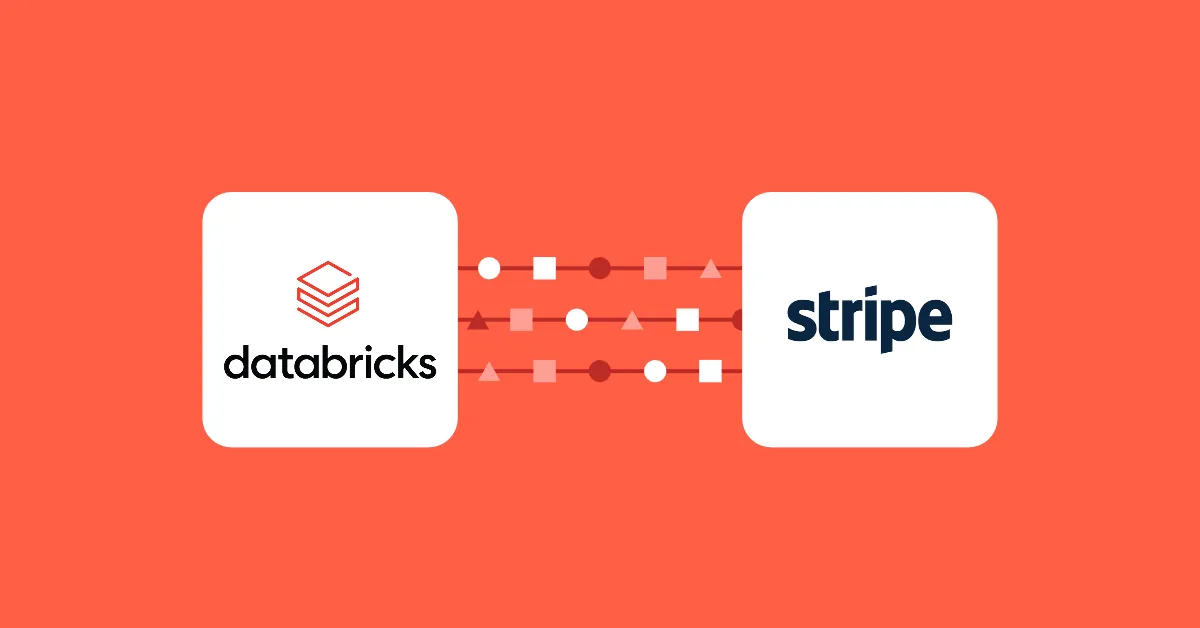
Stripe Data Pipeline can now stream real-time Stripe data into Databricks Lakebase Postgres without custom code, according to Databricks. The feature is in public preview and aims to replace hand-built API and webhook integrations that keep application databases in sync with Stripe.
- Stripe Data Pipeline now streams real-time Stripe data to Databricks Lakebase Postgres with no code required.
- Updates reach Lakebase within seconds, according to Databricks.
- Stripe handles backfill, ongoing delivery and data audits, replacing custom API and webhook integrations.
- The same Stripe account can also feed Unity Catalog for analytics and AI through Delta Sharing.
- Real-time sync to Postgres is in public preview and free to get started.
One Stripe account, two Databricks destinations
Stripe data was already available in Databricks through Stripe Data Pipeline earlier this year. With the new real-time sync to Postgres, a single Stripe account can now feed two Databricks destinations, each meant for a different kind of work, Databricks says.
The first is Unity Catalog, aimed at analytics and AI. Stripe shares data on payments, customers, subscriptions, refunds and payouts with a workspace through Delta Sharing, so it appears as another governed table that can be joined with other business data. Databricks lists use cases such as scoring which customers are likely to churn, asking Genie for MRR by geography, reconciling payments at month-end, and giving finance teams governed apps to explore payment data. According to the company, these workloads look at patterns across thousands of customers and many weeks of history.
The second is Lakebase, aimed at applications. Payment, customer, subscription and other Stripe data is continuously synced to Lakebase, with updates arriving within seconds. An application can query that data to decide which actions to take and which content to show, based on an up-to-date view of Stripe data.
Replacing API calls and webhook handlers
Databricks describes the status quo as ongoing effort. Most teams rely on one of two approaches. Calling the Stripe API works at lower volumes, but it becomes harder to operate as traffic grows and rate limits come into play. Webhooks require a handler for every event, plus retry logic for failed deliveries and a reconciliation process for events that are missed or arrive out of order.
In both cases, the integration is a separate piece of infrastructure to build, monitor and maintain. Databricks notes that when it fails, customers can end up with the wrong access or outdated account details.
With the pipeline, users choose which Stripe tables to sync to Lakebase. Stripe then handles the backfill, ongoing delivery and data audits through a no-code pipeline, which Databricks says helps keep data complete and up to date. The sync is powered by OpenSharing, and Stripe manages it end to end.
What applications can do with the data
Databricks outlines four main uses for real-time Stripe data inside an application database:
- Control product and feature access: When a customer upgrades, the new subscription details appear in Lakebase within seconds, and the application can unlock premium features on the next request. Cancellations and failed renewals change access just as quickly, with no event handler in between.
- Keep billing and account details current: With subscriptions, invoices and payment data in Lakebase, an app can show the current plan, a recently paid invoice or a card that needs updating, without calling the Stripe API on every page load.
- Provide real-time financial visibility: Charges, refunds and payouts sync continuously, so dashboards can show daily sales volume, payouts and refunds as they happen.
- Trigger personalized offers: With subscription and payment history in the application database, apps can serve a win-back discount shortly after a cancellation, an upgrade prompt when usage outgrows a plan, or a reminder when a payment method is about to expire.
Availability and what it means
Real-time sync to Postgres for Stripe Data Pipeline is available in public preview, and it is free to get started, according to Databricks. Users create a pipeline in the Stripe Dashboard. Lakebase is described by Databricks as its serverless Postgres database, built for applications and AI agents and integrated with the Databricks Data + AI Platform.
For teams that run their business on Stripe and build on Databricks, the change means billing and subscription state can be read with simple SQL from the same Postgres database the application already uses, instead of through a custom integration they have to maintain.