Tsingke links AI molecular design to automated laboratory experiments
Tsingke Biotech is integrating scalable molecular synthesis, high-throughput experimentation and laboratory automation as part of its "AI + Molecular Manufacturing" strategy. The company says the approach is designed to connect AI-generated molecular designs with real-world laboratory validation and structured experimental data.
- Tsingke is advancing an "AI + Molecular Manufacturing" strategy.
- Its automated platform connects molecular synthesis with high-throughput validation.
- The oligonucleotide workflow uses robotics, centralized control and integrated laboratory systems.
- Tsingke's roadmap follows self-driving laboratory cycles from design through the next round.
- The company says automation supports consistency, traceability and structured data collection.
From molecular design to physical samples
Tsingke, a provider of nucleic acid and gene synthesis solutions, says its automated manufacturing platform is intended to bridge AI molecular designs and high-throughput laboratory testing. The platform combines robotics with precision workflows, allowing the company to link molecular production with experiments that can assess candidate designs.
According to Tsingke, its experience covers more than a decade of nucleic acid and gene synthesis. The company has developed capabilities in synthesis equipment, process engineering, production scale-up, digitalization and automated manufacturing. Its production experience ranges from micromole-scale synthesis to gram-scale production and, for applicable processes, hundreds of grams to kilograms.
Tsingke says these capabilities are supported by process control and quality management. That combination is intended to help move AI-supported molecular research beyond design predictions and into repeatable production and testing workflows.
Automation spans the laboratory workflow
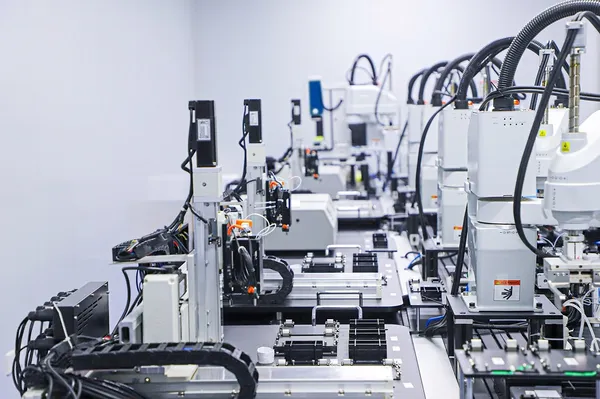
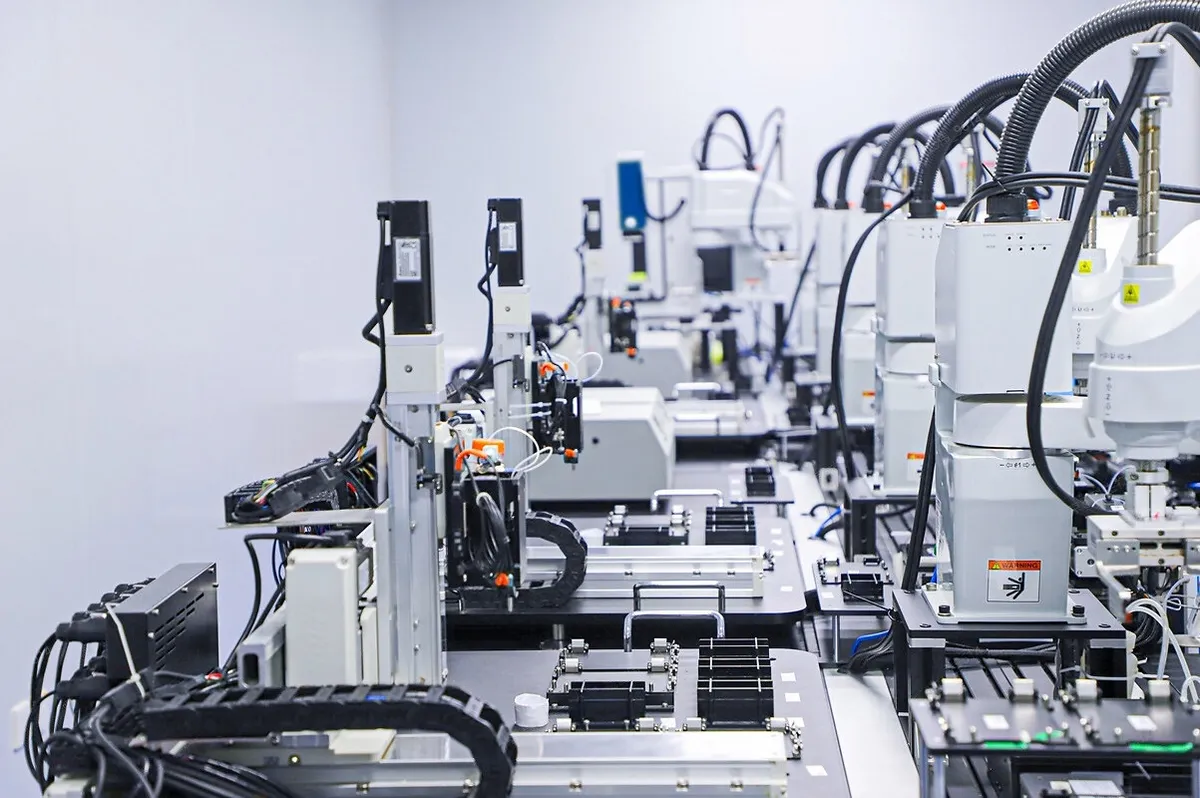
Tsingke's fully automated oligonucleotide platform brings together synthesizers, ammonolysis systems, purification systems, microplate readers and automated dispensing systems. The company says the equipment operates as a unified platform, coordinating the process from phosphoramidite-based synthesis through the production of finished oligonucleotide products.
A six-axis robotic arm, high-precision linear rails and centralized control systems manage the workflow. Tsingke also applies automation to PCA product preparation, sequencing, and nucleic acid extraction and purification.
The company says these systems support experimental consistency, traceability and structured data collection. Recording sample identities, experimental conditions, process parameters and analytical results can give researchers a connected view of how a molecular design was produced and how it performed in testing.
A foundation for self-driving laboratory cycles
Tsingke's roadmap aligns with the concept of self-driving laboratories, or SDLs. The company describes a recurring process of Design, Build, Test/Screen, Learn and Next Round, in which AI can prioritize candidates for testing, automated systems can produce samples and conduct experiments, and the resulting data can influence later design decisions.
In this model, experimental results do more than validate an initial prediction. They become input for the next research cycle. Tsingke says its manufacturing and automation capabilities provide a foundation for more integrated, AI-enabled laboratory workflows, where production data and experimental findings are linked closely enough to support data-driven decisions.
For researchers, the announcement points to an effort to connect AI-based molecular selection with the practical steps required to manufacture, test and analyze candidates. Tsingke provides services including custom DNA and RNA synthesis, gene cloning, protein expression, antibody discovery, and viral vector packaging for AAV, LV and AdV, according to the company.