UW researchers unveil micro language models small enough to run on smartwatches
University of Washington researchers have introduced "micro language models" with 8-30 million parameters, small enough to run on devices such as smartwatches and give instant responses while a cloud-based large language model catches up. The work was presented Oct. 27 at EMNLP 2026.
- UW researchers introduced micro language models with 8-30 million parameters, presented Oct. 27 at EMNLP 2026.
- The small model starts a reply instantly on a device, and a cloud LLM completes it after 4 to 8 words.
- The micro model made mistakes in 4% to 8% of responses, which the other model corrected seamlessly.
- In a user study, 9 out of 10 participants preferred the paired system to a cloud model alone.
Why small models are needed on small devices
The current AI boom has been driven by large language models, or LLMs, which power chatbots and AI agents by running predictions based on huge numbers of variables called parameters. According to the UW, current cutting-edge models are estimated to have several trillion parameters. That makes them far too large to run on slower phones or small devices like smartwatches.
Such devices usually depend on the cloud, which introduces a lag before the user gets an answer. The UW team's micro language models are designed to fill that gap.
How the paired system works
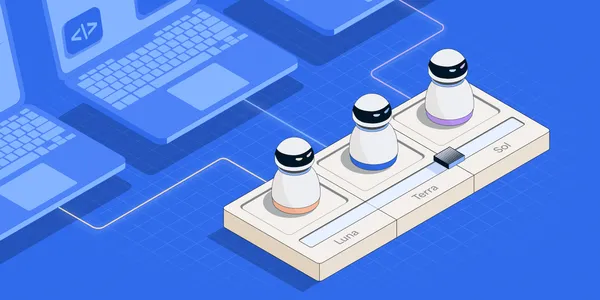
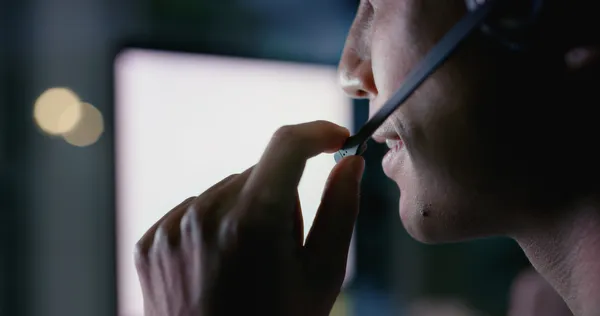
The micro language models run with 8-30 million parameters, which the researchers say is small enough for devices with limited computing power. In the example given by the UW, a user asks a smartwatch a question and the micro language model starts responding instantly. After 4 to 8 words, the LLM completes the response.
The small model is not always right. It made mistakes in 4% to 8% of responses, according to the researchers, but the other model corrected those seamlessly before continuing.
User study and research team
In a user study, 9 out of 10 participants preferred the paired system to the lagging responses from only a cloud model. The UW co-authors are Wen Cheng, Tuochao Chen, Luke Zettlemoyer and Shyam Gollakota. A full list of co-authors and funding is in the paper. The team can be reached at [email protected], and it also maintains a website.
Other UW research in the October roundup
The work was part of the university's October research highlights, which also covered several other studies:
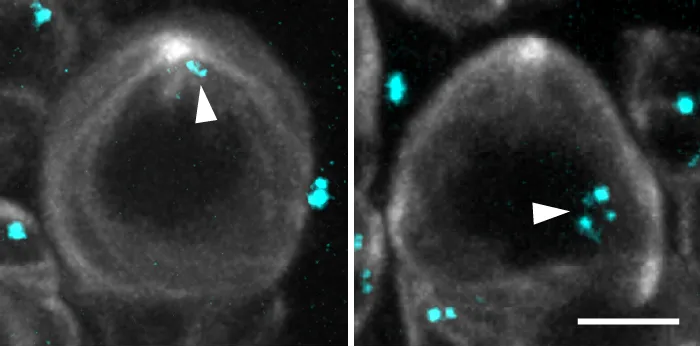
- Stem cell DNA organization: In a paper published Oct. 14 in the Journal of Cell Biology, UW researchers described how proteins outside the nucleus work with proteins inside it to position centromeres in fruit fly brain stem cells.
- Migrant fishers: A report from the UW Harry Bridges Center for Labor Studies found that exemptions in U.S. law allow migrant fishers to work without authorization or visas, leaving them vulnerable to forced labor and exploitation.
- Burrowing shrimp: A study in Estuarine, Coastal and Shelf Science found that shrimp beds in Willapa Bay move up to 100 feet each year.
What it means
The source presents micro language models as a way to remove the waiting time users experience when a small device must reach an LLM through the cloud. The user study results suggest people favor an instant start over a delayed but complete answer from a cloud model alone. The source gives no information on commercial availability or on which devices might adopt the approach.