Vultr Backs NVIDIA OpenShell and Confidential Computing for Secure AI
Vultr says it is building on its NVIDIA Vera Rubin investment with the NVIDIA OpenShell Reference Architecture, and that it supports NVIDIA Confidential Computing deployments. The cloud provider says the work targets two enterprise needs: controlling what AI agents can do and protecting sensitive workloads while they run.
- Vultr is building on its NVIDIA Vera Rubin investment with the NVIDIA OpenShell Reference Architecture.
- The architecture combines Vera Rubin NVL72, Vera CPUs and BlueField-4 DPUs running NVIDIA Sentry.
- NVIDIA Confidential Computing supports Confidential Bare Metal, Confidential Containers and Confidential Virtual Machines.
- Confidential computing is expanding across Grace Blackwell and Rubin systems, and NVIDIA DSX OS will support all three modes.
- Vultr promotes open collaboration through the Open Secure AI Alliance.
Why agent safety needs infrastructure-level controls
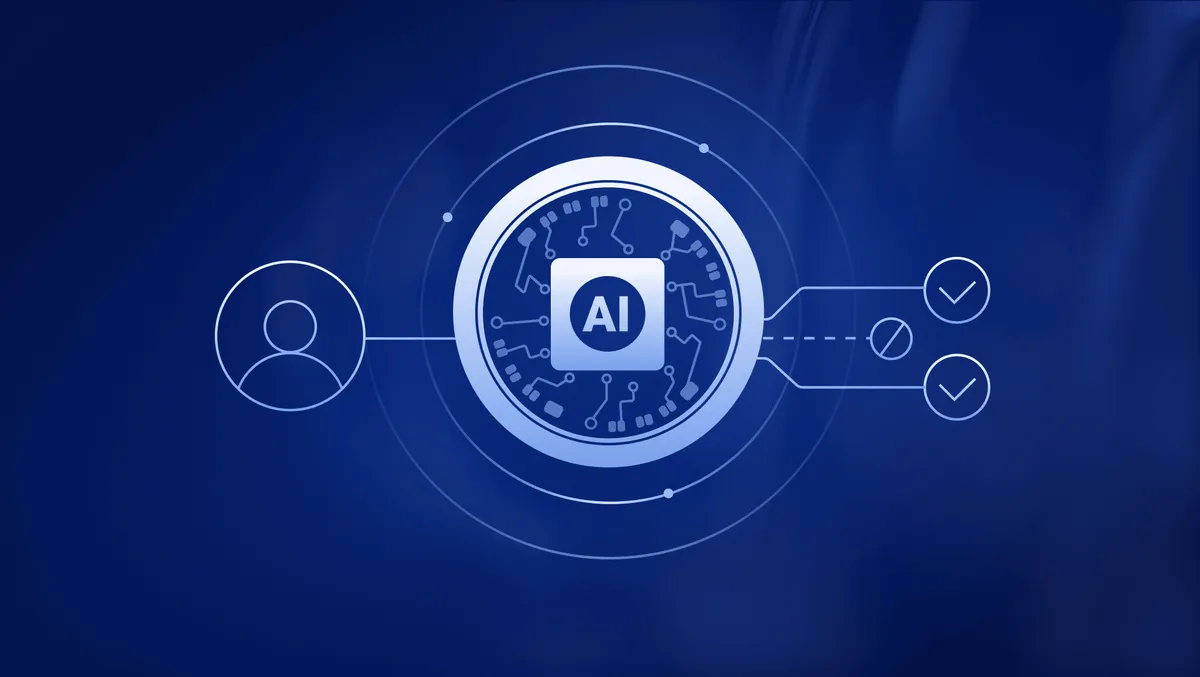
According to Vultr, AI agents increasingly run multi-step workflows, use credentials, call external tools and interact with internal data with limited human oversight. The company argues that traditional safeguards alone cannot reliably constrain what an agent can access or do.
NVIDIA OpenShell, an open-source secure runtime, is meant to address this by governing and monitoring agents while they operate. The OpenShell Reference Architecture extends that base with model compute, governed agent execution and independent security enforcement through NVIDIA Sentry. Vultr describes Sentry as a unified security software framework built on NVIDIA DOCA and running on NVIDIA BlueField-4 DPUs.
Three components of the reference architecture
Vultr lists three building blocks:
- NVIDIA Vera Rubin NVL72 runs AI models across training, inference and agentic workloads.
- NVIDIA Vera CPUs handle agent orchestration, tool use, code execution and the OpenShell secure runtime, which governs agent execution and resource access.
- NVIDIA BlueField-4 DPUs run NVIDIA Sentry, which monitors agent behavior and enforces security policies from a hardware-isolated, host-independent trust domain.
The two safeguards are complementary, according to the post. Runtime governance defines what an agent is permitted to do, while independent hardware-based enforcement helps ensure those policies remain in place.
Confidential computing for models and data
The second part of the announcement concerns organizations that need to protect proprietary models and sensitive data on infrastructure they do not own or operate. NVIDIA Confidential Computing uses hardware-rooted isolation and cryptographic attestation to help protect data and models during execution.
Its expanded capabilities support three deployment models:
- Confidential Bare Metal: dedicated infrastructure for sensitive AI workloads.
- Confidential Containers: Kubernetes environments with confidential computing protections.
- Confidential Virtual Machines: virtualized environments for confidential workloads.
These capabilities are expanding across NVIDIA Grace Blackwell and NVIDIA Rubin systems, including NVIDIA Grace Blackwell NVL72, NVIDIA HGX Rubin NVL8 and NVIDIA DGX Rubin NVL8. NVIDIA DSX OS will support all three modes, giving cloud providers building AI factories a software foundation for confidential workloads.
What it means for enterprises
Vultr says organizations moving AI agents and frontier models into production can use these capabilities to establish clearer security boundaries, improve visibility into agent activity and protect sensitive workloads across deployment environments. The post gives no pricing, regional availability or timelines.
Vultr also stresses open development. OpenShell lets the industry inspect and contribute to the security foundations of agent execution, and through the Open Secure AI Alliance Vultr encourages infrastructure providers and enterprises to collaborate on secure AI adoption. Readers can find NVIDIA Confidential Computing details and the open-source OpenShell runtime through NVIDIA's developer resources and GitHub.