xFusion Shows 800V HVDC, Liquid-Cooled Racks and Super Node at OCP 2026
xFusion, a global computing infrastructure provider, is using the 2026 Open Compute Project (OCP) Global Summit to present liquid-cooled rack systems, an 800V high-voltage DC power prototype and an optical-ready super node. The company says cooling, power and interconnect are becoming the defining constraints on AI data center scalability.
- xFusion is exhibiting at OCP Global Summit 2026 in San Jose, October 12 to 15, Booth A33.
- Arthur Wang introduced a WATT → FLOPS → TOKEN → AGENT → VALUE framework for measuring data center value.
- FusionPod for AI V8 is a 42U liquid-cooled rack supporting up to 155 kW.
- The 800V HVDC Sidecar prototype targets 300 kW to 1.2 MW configurations.
- DaYu 2.0 Super Node offers up to 240 kW per rack and 256 XPU across dual cabinets.
A keynote on turning watts into value
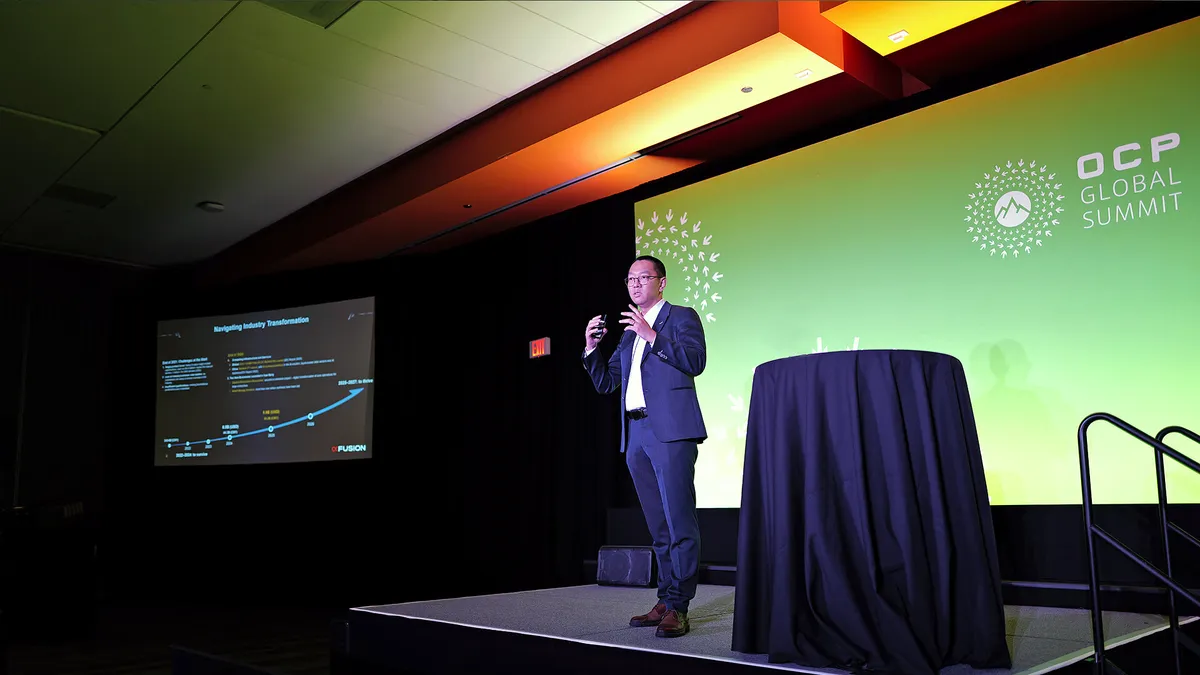
xFusion is exhibiting at the OCP Global Summit from October 12 to 15 at the San Jose McEnery Convention Center (Booth A33). Arthur Wang, Director of Product Management at xFusion, delivered a keynote titled "Next-Generation Power & Cooling Solutions."
Wang introduced a framework for measuring data center value: WATT → FLOPS → TOKEN → AGENT → VALUE. According to xFusion, it judges infrastructure by how efficiently each watt of electricity becomes a business outcome, moving from raw compute to AI tokens and then to autonomous agents. It replaces counting servers shipped or cards installed. "In the Agentic era, competitiveness is not about how many chips you have," said Wang. "It is about how much real business value you can extract from every watt and every joule of heat."
The company describes a market in which single-chip power consumption is trending toward 3,000 watts and beyond, while rack-level power density is advancing from hundreds of kilowatts toward the megawatt class. In that setting, power delivery and cooling, long treated as back-end utilities, are now the main limits on scaling AI infrastructure, according to xFusion.
Cooling and power products
On cooling, xFusion argues that chip-level heat density now exceeds what air cooling can physically manage, making 100% direct liquid cooling (DLC) the baseline for AI infrastructure. Its cold plate solutions use diamond-copper composite materials and, the company says, deliver single-chip cooling capacity exceeding 4,000 watts.
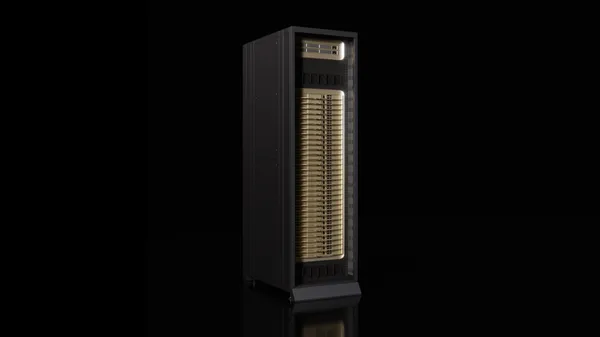
The FusionPod for AI V8 is a 42U modular liquid-cooled rack supporting up to 155 kW. It is designed for flexible deployment in retrofit and containerized environments, with a distributed CDU that requires no secondary piping modifications.
On power, xFusion says traditional 54V DC distribution faces severe efficiency losses at megawatt scale. It is advancing an 800V high-voltage DC (HVDC) architecture, which it says dramatically reduces current and line losses. The 800V HVDC Sidecar is a next-generation power supply prototype engineered for 300 kW to 1.2 MW configurations. According to the company, it lays the groundwork for megawatt-class rack-level power delivery.
Interconnect and the DaYu 2.0 Super Node
For interconnect, xFusion points out that electrical signaling is approaching physical limits beyond 224G. A shift toward optical interconnects, including co-packaged optics (CPO), is enabling the bandwidth density that large AI clusters require, the company says.
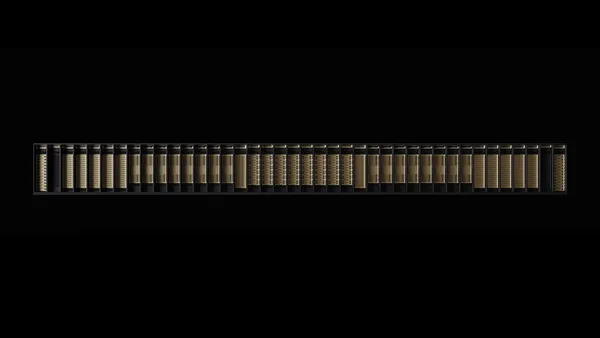
The DaYu 2.0 Super Node is an open-architecture, liquid-cooled system delivering up to 240 kW per rack. It holds 128 XPU per cabinet and 256 XPU across dual cabinets. xFusion says it is built to use these optical advances while supporting multi-vendor processor compatibility without single-chip lock-in.
The three areas are linked, the company says, and together form the basis of what it calls "computing-power synergy," a system-level approach that optimizes energy flow from the grid to the chip.
Open standards and what it means
xFusion says it has joined more than 60 industry organizations worldwide and contributed to over 60 industry standards, with an ecosystem of over 30,000 partners. It says it will keep pursuing open, efficient infrastructure as AI workloads scale from cloud to edge.
For data center operators, the announcement reflects a broader focus on power and thermal design rather than chip counts alone. The 800V HVDC Sidecar is described as a prototype, and the source gives no pricing or availability for any of the products shown.