International journalists tour Xiaomi’s smart electric vehicle factory
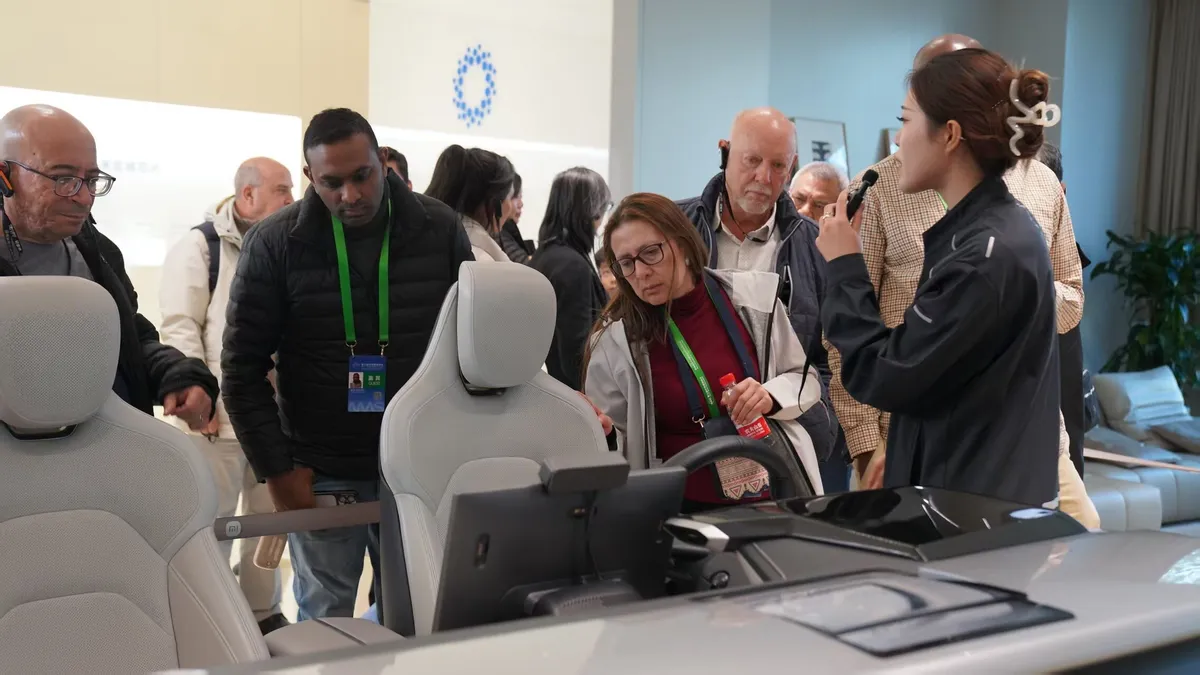
International journalists toured Xiaomi’s smart automobile factory in southeast Beijing on November 6, viewing the company’s research and development for new energy vehicles, intelligent manufacturing and connected ecosystem. The visit highlighted Xiaomi’s use of automation, robotics and artificial intelligence in vehicle production.
- Journalists visited Xiaomi’s Beijing smart automobile factory on November 6.
- The approximately 718,000-square-meter campus integrates R&D, production, sales and customer experience.
- More than 700 robots operate across production lines, with 100% automation in key processes.
- Xiaomi demonstrated a connected human×car×home ecosystem.
- Visitors expressed hope that Xiaomi vehicles would reach their countries.
A smart manufacturing campus for Xiaomi NEVs
The factory covers approximately 718,000 square meters and is designed as a modern intelligent manufacturing campus for Xiaomi’s new energy vehicles, or NEVs. According to the PR Newswire report, the site brings together research and development, production, sales and customer experience.
Xiaomi has adapted traditional automotive manufacturing into six processes for NEV production. The company has achieved 100% automation in key processes, with more than 700 robots working in coordination across production lines. Artificial intelligence technologies are also used to significantly improve the precision of quality control.
Tamas Kovacs, CEO of ATV Hungary, said the extensive use of robotics, automation and artificial intelligence throughout manufacturing was particularly impressive. He also described Xiaomi’s production capabilities as evidence of China’s progress in industrial innovation, according to the report.
The car is part of a wider connected ecosystem
A further highlight of the visit was an interactive demonstration of Xiaomi’s human×car×home smart ecosystem. The system allows users to control smart home devices remotely from their vehicles through voice commands or predefined scenarios.
This is intended to provide connectivity across different living environments, linking the vehicle with home electronics. Yasiru Bandara Ranaraja, founding director of the Belt & Road initiative in Sri Lanka, described the system as a complete car solution for controlling electronics, according to the report.
Kovacs called the ecosystem one of Xiaomi’s most innovative achievements and said he believed the integrated approach represented an important direction for the future of transportation. The demonstration therefore presented Xiaomi’s vehicles as part of a broader device and home technology strategy, rather than as standalone products.
International interest in Xiaomi vehicles
The visiting journalists also discussed Xiaomi’s plans to expand internationally. Many expressed hope that Xiaomi vehicles would eventually be sold in their own countries. Agnes Kalekye Nguna, CEO of the Kenya Broadcasting Corporation, said NEVs have an important role in environmental conservation and promoting clean energy use in Africa, and invited Xiaomi to come to the continent.
Marcos Costa de Oliveira, editor-in-chief of Brazil’s Monitor Mercantil, praised Xiaomi’s offering and described its cars as attractive and useful. Kovacs said Xiaomi’s main advantage was its ability to combine innovative technology, appealing design and impressive performance, according to the report.
The factory visit was one of the events held during the seventh World Media Summit, which took place in Beijing from November 5 to November 9. The summit brought together nearly 500 guests from mainstream media, think tanks, government departments and international organizations across 112 countries and regions.
The visit gives Xiaomi an opportunity to present its manufacturing capabilities and connected vehicle strategy to an international media audience. The interest expressed by participants also shows that the company’s potential overseas expansion is being watched in markets where NEVs and clean-energy technologies are gaining attention, although the report does not specify where or when Xiaomi vehicles may be sold internationally.