Ask Mishomis puts Indigenous data governance at the centre of AI safety
An Indigenous-led research team is developing Ask Mishomis, a digital repository designed to make complex research accessible to First Nations communities while keeping control of data with those communities. The initiative combines artificial intelligence with Indigenous governance principles and decentralized infrastructure.
- Ask Mishomis is designed to make complex research accessible to First Nations communities.
- The platform uses RAG to retrieve answers from verified research.
- Clio-X is intended to give communities control over data access.
- The team is following OCAP principles and building consensus through community engagement.
- Communities could eventually own hardware nodes under the project’s model.
A community-focused research platform
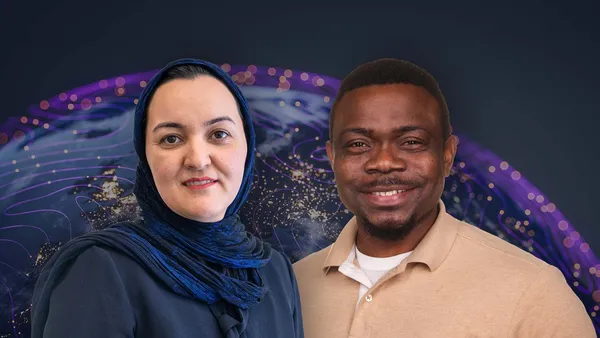
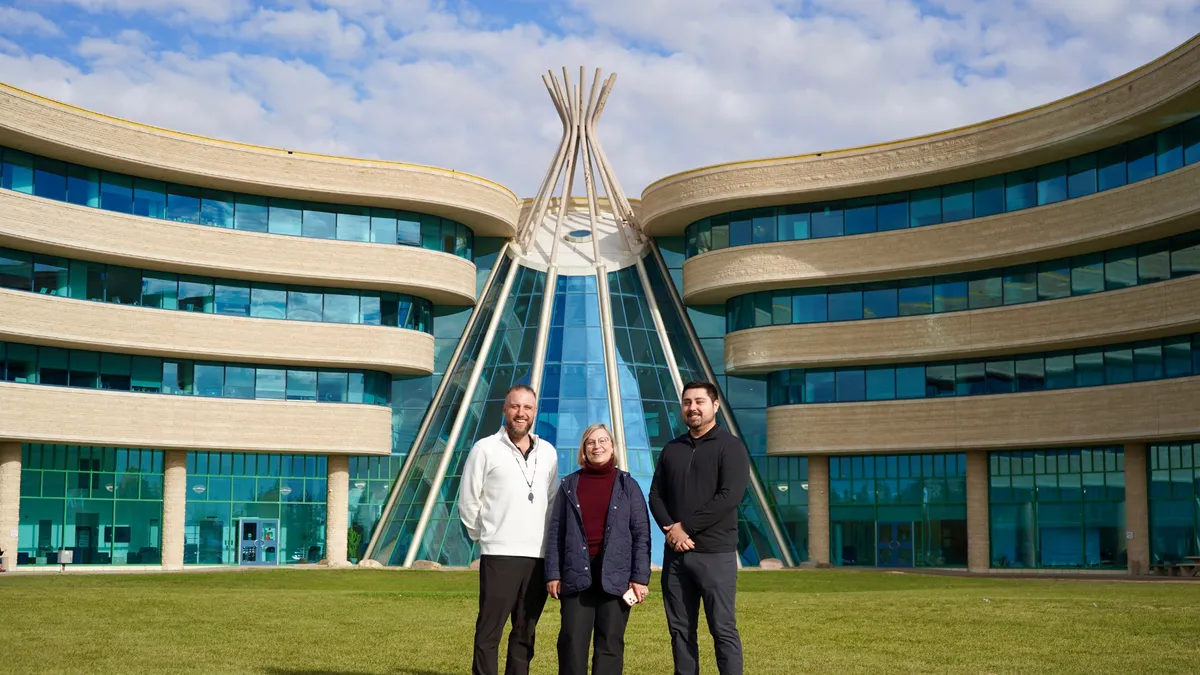
Jacob Taylor, executive director of the National Indigenous Economic Prosperity Institute at First Nations University of Canada, is co-leading Ask Mishomis with Victoria Lemieux, professor emerita at the Institute of Information, Computing and Cognitive Systems at the University of British Columbia.
The platform takes its name from the Ojibwe word for “grandfather”. Its purpose is to help community economic development officers and local leaders ask plain-language questions about complex research and receive direct answers.
Ask Mishomis uses retrieval-augmented generation, or RAG. The technique allows large language models to retrieve information from verified research instead of relying on broad web data. Taylor said the idea was influenced by his experience encountering the 11 volumes of the Royal Commission on Aboriginal Peoples during his undergraduate studies at Western University. He said the research was difficult to use because “you had to be an academic to really understand it”.
Keeping data authority with communities
The project is supported by an AI Safety Catalyst Grant from the CAISI Research Program at CIFAR. The initiative pairs Indigenous worldviews with computer science, reflecting what Mi’kmaq Elder Albert Marshall called “Two-Eyed Seeing”.
Data control is central to the project because Indigenous communities have historically had data collected without consent and used to cause harm. CIFAR’s account says modern AI could repeat that pattern by extracting cultural knowledge from the web, placing it in corporate systems, spreading false versions of traditions or producing biased decisions.
Rather than using conventional commercial infrastructure, Ask Mishomis runs on Clio-X, a decentralized, blockchain-based system that Lemieux originally developed for archives and cultural institutions. The design is intended to let communities decide who can access their information and under what conditions. Lemieux said, “Our data are us. They don’t just represent us. They actually embody who we are”.
Governance built at the speed of trust
The team is developing its governance model through campus surveys, workshops and discussions based on Indigenous methodologies. It is following the First Nations Principles of OCAP, meaning Ownership, Control, Access and Possession, and is taking time to build consensus.
The approach is grounded in wâhkôtowin, a Cree concept describing relationships among people, land, animals, plants, ancestors, the spirit world and future generations. Kristin Wilson, a University of British Columbia PhD candidate and research team member, said the project must “move at the speed of trust”.
According to CIFAR, communities could eventually own Clio-X hardware nodes and receive economic value when their data contributes to broader activity. For Jonathan Sawa, a Cree graduate researcher from Cowessess First Nation, the key measure is whether the system remains with the community: “It’s not so much that there is an AI, but that it’s staying with them.”
The project shows how AI safety can be approached through local control, consent and relationships, rather than technology alone. Taylor said CIFAR’s support gives the team resources to bring people together, build trust and involve emerging Indigenous researchers.
CIFAR: Building AI governance at the speed of trust