CIFAR team targets Nigerian Pidgin bias in AI systems
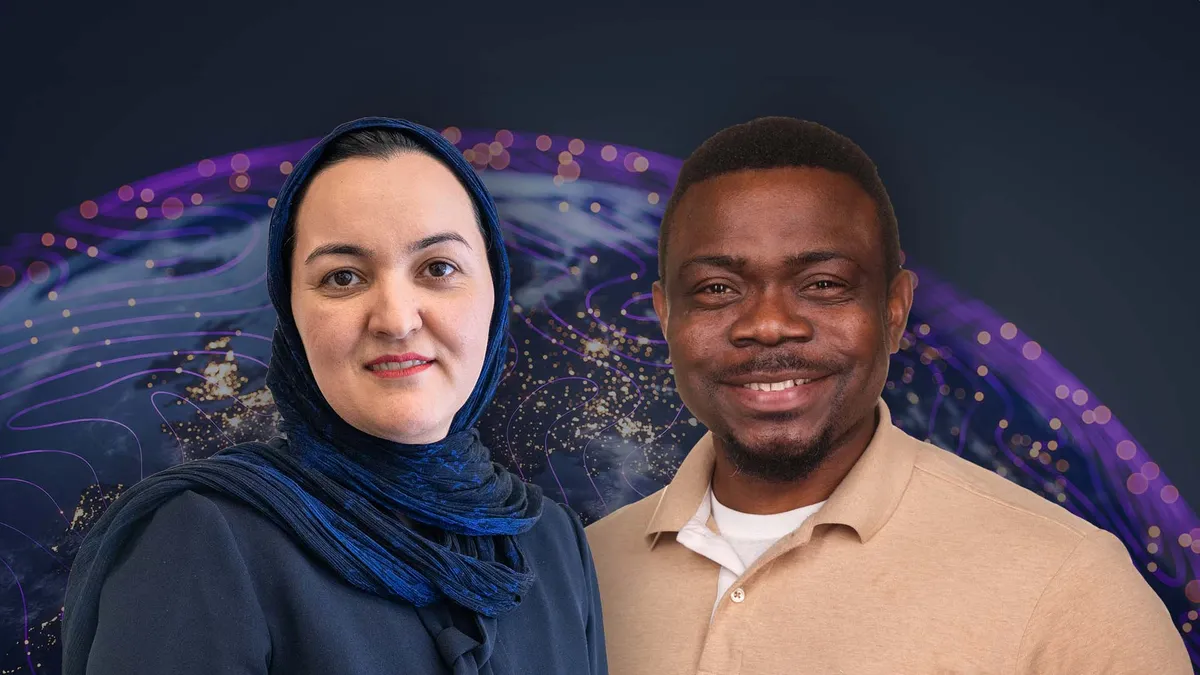
A CIFAR-led research network is developing datasets, benchmarks and evaluation tools to help AI systems understand Nigerian Pidgin English, a language spoken by more than 140 million people. The project focuses on reducing dialect bias that can affect content moderation, healthcare tools and other high-stakes applications.
- CIFAR’s network is studying AI bias against Nigerian Pidgin English.
- Pidgin is spoken by more than 140 million people.
- Researchers are collecting original language samples and human translations.
- The project includes medical speech recordings and simulated consultations.
- Datasets, code, benchmarks and training materials are planned for open release.
Why Nigerian Pidgin poses a safety challenge
Leading AI models often treat Nigerian Pidgin, also called Pidgin, as incorrect instead of recognizing it as a valid language. According to CIFAR, models may flag valid grammar as errors, misunderstand cultural nuances or return responses in Standard English.
Those failures can affect more than the way people interact with software. CIFAR says dialect blindness becomes a safety concern as AI is used in settings such as hospital intake and automated content moderation. A misinterpreted symptom could contribute to medical misdiagnosis, while local slang that is harmless in context could be wrongly classified as toxic.
The work is being led by Laleh Seyyed-Kalantari and Blessing Ogbuokiri, co-directors of CIFAR’s AI Safety Mitigating Dialect Bias Solution Network. The network is one of two Solution Networks funded through CIFAR’s CAISI Research Program, which aims to turn fundamental AI safety research into practical solutions.
Building datasets from real Pidgin usage
The researchers say a problem with many existing dialect benchmarks is that they start with Standard English and use a large language model to translate it into another dialect. That process can standardize the language and produce text that does not sound natural to its speakers.
Instead, the network is collecting original Pidgin from social media, everyday conversations and formal news platforms. Each sample is paired with both a machine translation and a human translation. This three-part dataset will allow researchers to compare the two approaches and identify where models change dialect features, alter meaning or favor Standard English.
“There are expressions that are completely neutral or positive in the local culture, but models treat them as improper or offensive,” Seyyed-Kalantari says in the CIFAR article. “It becomes a form of censorship.” Ogbuokiri says users may otherwise change how they write to satisfy AI systems, adding, “They are not speaking their dialect anymore because the AI is not trained to understand its nuances.”
Community involvement and open resources
The network is also studying spoken Pidgin. Community members are recording medical terms and simulated doctor-patient conversations so researchers can test whether speech-recognition systems accurately transcribe what patients say. The recordings will be used to measure errors and support more accurate systems for voice-driven healthcare.
Pidgin speakers with backgrounds in linguistics and computer science have been hired and trained to support data collection and annotation. Local experts are helping ensure the material reflects how people communicate in practice, including when speakers move between Pidgin and Standard English. Policy specialists are advising on research design, compensation and how the findings can move beyond academic publications.
The network plans to make its datasets, benchmarks, models, code and training materials openly available. Seyyed-Kalantari describes the work as a two-year project that cannot answer every research question itself, while Ogbuokiri says open-source resources could let other communities reuse the work and train better models. CIFAR says the project could also help extend this approach to other underrepresented languages.
CIFAR: From translation to fluency