Australia's digital duty of care bill goes to Parliament with key changes
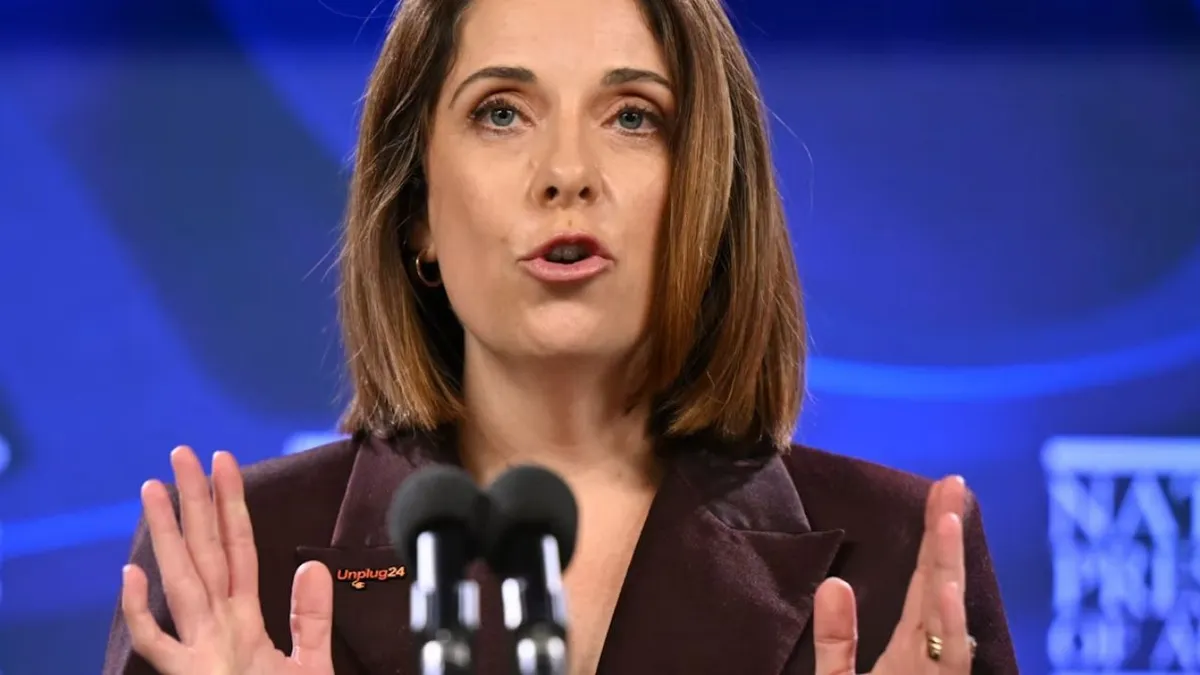
Communications Minister Anika Wells has introduced Labor's digital duty of care bill into Australia's parliament, amending the Online Safety Act to require online service providers to provide a safe environment. The bill differs from the exposure draft in several ways, including the removal of the minister's power to add new categories of harm by legislative instrument.
- Communications Minister Anika Wells introduced the digital duty of care bill, amending the Online Safety Act.
- Platforms must protect Australians, and especially children, from seriously harmful material and conduct.
- The minister loses the power to add new harm categories by legislative instrument; Parliament would have to amend the law.
- News, educational, artistic, research and public health content is explicitly excluded from the duty.
- The bill goes to a Senate inquiry, with a report expected before the end of the year.
What the bill requires
At the core of the bill is the principle that online service providers have a duty to provide a safe environment online. According to the analysis by Kimberlee Weatherall, Christine Parker and Kath Albury, this covers everything from social media platforms to websites, online games and messaging apps.
Platforms must take appropriate action to protect Australians from seriously harmful material and conduct. They must also protect Australian children from harmful material and conduct, such as bullying, and material promoting disordered eating or encouraging dangerous stunts. Children would also need to be protected from some harmful algorithmic design features.
The legislation would also let the minister require platforms to give users tools to "manage the design features of their service", such as controls over what content is recommended. Prime Minister Anthony Albanese has described this "my feed, my way" initiative as a way for Australians to gain control over their social media algorithms.
From exposure draft to bill
The government released the exposure draft on September 8 and opened it to written feedback for two weeks. Several organisations and research groups made submissions, but the government has not provided a summary of the feedback.
Experts generally welcomed the proactive approach of placing responsibility on providers. Submissions also stressed provisions protecting researchers, giving them access to data and allowing "sock puppet" accounts for independent scrutiny. Some experts argued that enforcement should not fall only to the eSafety Commissioner, and that individuals should be able to enforce the duty and seek remedies, individually or collectively. Others worried platforms might overreact by demoting or removing public-interest content, such as education about illicit drug use and sexual health.
The government has published an explanatory memorandum, which the authors say is worth reading, especially where it discusses the impacts of algorithmic design.
What changed
- The definition of harmful material for adults now includes "the encouragement, promotion or incitement of gender-based violence".
- It has expanded to cover non-consensual fake nude material and posting, or threatening to post, intimate images without consent.
- Material or conduct that is a Commonwealth criminal offence is subject to the duty only if it is likely to cause serious harm.
- The minister can no longer add categories of seriously harmful material or conduct by legislative instrument. Wells has indicated that new categories would require Parliament to pass amendments.
New provisions also explicitly exclude professional news material, artistic and educational content that is not contrary to the public interest, and scientific and academic research. Material necessary for or of assistance in protecting or promoting public health and safety, and material aimed at reducing harms to individuals, is excluded too. Restrictions on material that "encourages, promotes, urges or instructs illicit drug use" have been removed.
The authors note it is not yet clear whether drug harm reduction, sex education and sexual health organisations will have extra mechanisms to appeal if platforms suppress their outreach content.
Political outlook
The Coalition remains critical of the bill and is unlikely to support it. Greens Senator Sarah Hanson-Young said the Greens would support the bill in principle, but want much steeper penalties for big tech companies that breach the duty. The party also wants Australians to be able to sue tech companies directly.
The bill will now go to a Senate inquiry, with a report expected before the end of the year. The authors describe it as a large and complex piece of legislation, and say the changes in language between the draft and the bill will need to be analysed for their impact.
ARC Centre of Excellence for ADM+S: Australia’s ‘digital duty of care’ was just introduced to parliament. So what’s in the bill?