EPFL framework uses scans and AI to improve steel infrastructure inspections
EPFL researchers have developed an automated inspection framework that combines 3D laser scans, computer simulations and AI models to help engineers assess damage in critical steel infrastructure more reliably. The approach is designed to reduce risks for inspectors while supporting, rather than replacing, human expertise.
- EPFL developed an automated framework for inspecting critical steel infrastructure.
- The system combines 3D laser scans, point-cloud analysis, simulations and AI models.
- It estimates load-bearing capacity and accounts for uncertainty in scanner data.
- The framework is designed to guide inspectors, not replace them.
- Researchers are seeking pilot projects before eventual commercialization.
From structural scans to damage assessments
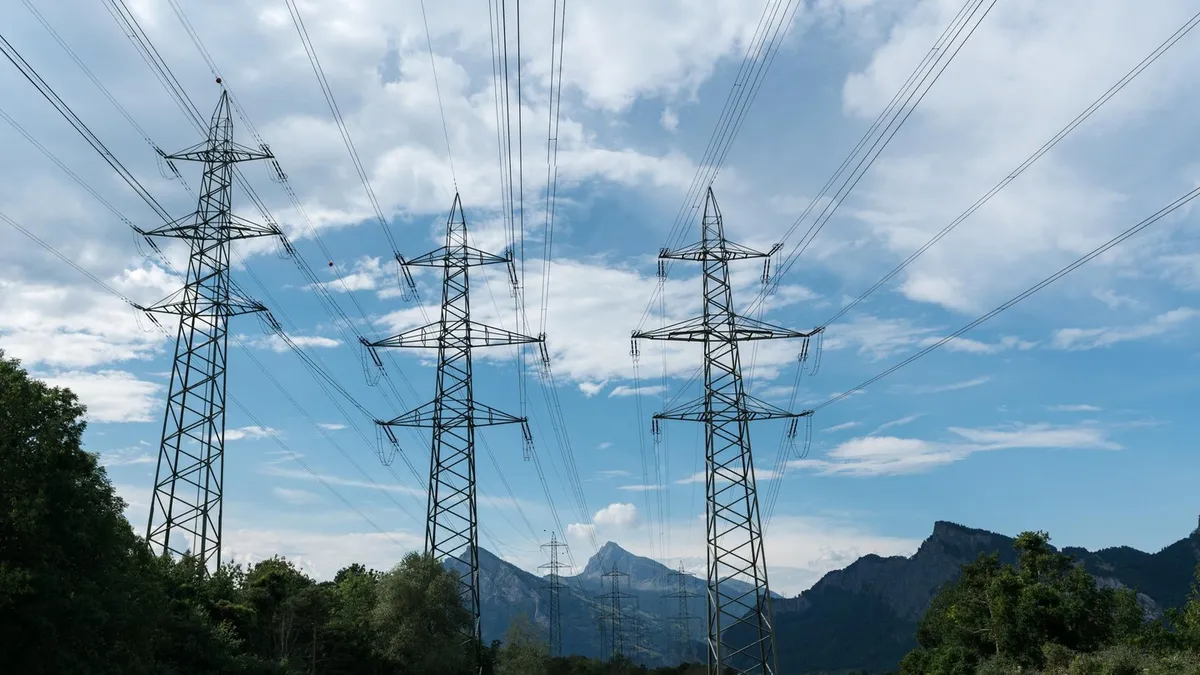
The framework was developed by Dimitrios Lignos, professor at EPFL's Resilient Steel Structures Laboratory, and his team. Their work addresses inspections of infrastructure such as telecommunication lines, electric transmission towers, steel bridges and ski lifts, which can be affected by natural hazards including strong winds and ice accretion, as well as aging.
Inspections currently rely on trained experts who visually assess structures and report findings using specific protocols. These assessments look for deformations, corrosion, flaws and cracks. Accessing sites can be difficult or dangerous, particularly after extreme weather, and incomplete evaluations can lead to costly consequences.
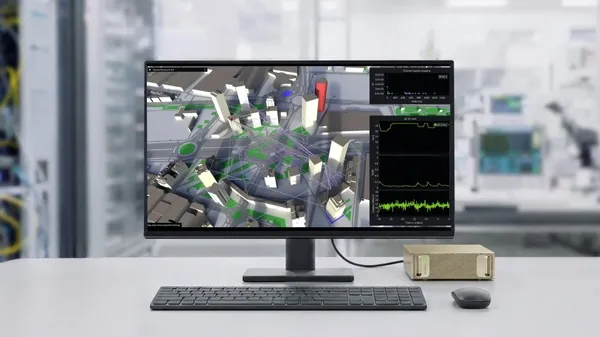
The inspection process begins with detailed 3D scans of structural elements using laser technology. The resulting point-cloud data captures geometry and visible deformation. Algorithms then analyze the data using training from thousands of laboratory experiments, alongside virtual test samples validated through physics-based simulations.
Accounting for uncertainty in real-world data
After analyzing a damaged element, the system estimates how much load it can still safely withstand. It also assesses whether the element can continue operating as intended or requires intervention.
A central feature of the framework is its treatment of measurement uncertainty. Scanner data is affected by factors such as scan resolution and environmental conditions, which can create measurement noise. That noise may influence how damage is interpreted and affect the reliability of predictions.
The methodology quantifies this uncertainty and evaluates its effect on the final assessment. This gives inspectors more information about the confidence they can place in the results.
EPFL says the framework is particularly relevant to electrical transmission towers and other structures with standardized steel cross-sectional profiles. In Switzerland, such infrastructure is often located in remote areas and can be difficult to reach after events such as snowstorms.
A tool intended to guide inspectors
The researchers emphasize that the system is intended to complement professional judgment. “The methodological developments do not attempt to replace human inspectors but to guide them to make more informed decisions,” Lignos says.
The framework could also be extended to conventional steel buildings and steel-concrete composite bridges, including railway infrastructure. EPFL says it may help determine whether decommissioned structures or components can be safely reused.
The team is seeking pilot projects to move the technology from the laboratory into everyday infrastructure management. Feedback from inspection companies could help refine the workflow before eventual commercialization, according to Lignos.
Further work includes exploring drones with Alcherio Martinoli's laboratory to reach remote or hazardous structures. In another project with Olga Fink's laboratory, the researchers are developing predictive algorithms to identify steel members that could be reused after the end of their service life.
EPFL News: Making infrastructure inspections safer and more reliable