EPFL

EPFL researchers: how cities can fit robotaxis in without more congestion
Robotaxis are technically feasible, but their future depends more on regulation, public acceptance, economics and integration with public transport, according to Kenan…

Read/Write Labs launches to build an AI platform that writes code for the brain
Read/Write Labs, a company working at the intersection of neuroscience and artificial intelligence, has expanded its executive and advisory team as it sets out to build…
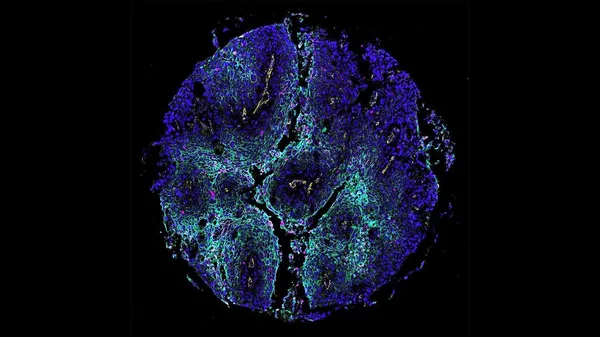
EPFL releases spora, the largest open atlas of spatial proteomics images
Researchers at EPFL have created spora, which they describe as the world's largest open-access collection of spatial proteomics tissue images, drawn from more than 5,000…

EPFL survey: Over 90% of students use AI for coursework
More than 90% of EPFL students use generative AI for their coursework, mainly as a learning tool, according to a survey run by an AI working group of the school's…
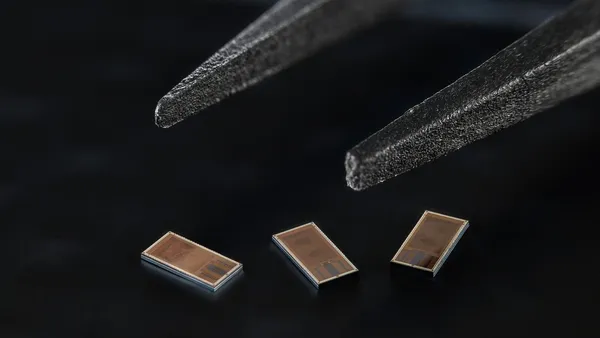
EPFL's LogSync Chip Reads Brain Network Activity on Under 200 Microwatts
EPFL researchers have developed LogSync, an implantable neural chip that tracks communication across brain regions and identifies cognitive and emotional states in real…

Apple Study: Elaborate Harnesses Add Little for Strong ML Engineering Agents
A new paper published on Apple's Machine Learning Research site finds that, under an equal time budget and the same frontier LLM backbone, open-source state-of-the-art…