GEPA Cuts Coding Agent Costs by up to 70% in Everpure Tests
GEPA, a prompt optimizer described by the Everpure Blog, reduced coding agent costs by 40% to 70% in tests by tailoring instructions to a codebase. The experiments found no measurable accuracy improvement, but showed that more focused agent behavior could reduce unnecessary model work.
- GEPA generated repository-specific instructions for coding agents.
- Cost-focused instructions cut tested costs by 40% to 70%.
- No measurable accuracy change was found in the main tests.
- GPT-5.6 Luna showed 41% fewer model turns in one comparison.
- Retry feedback improved accuracy by roughly 10 points for every model.
Turning a generalist coding agent into a specialist
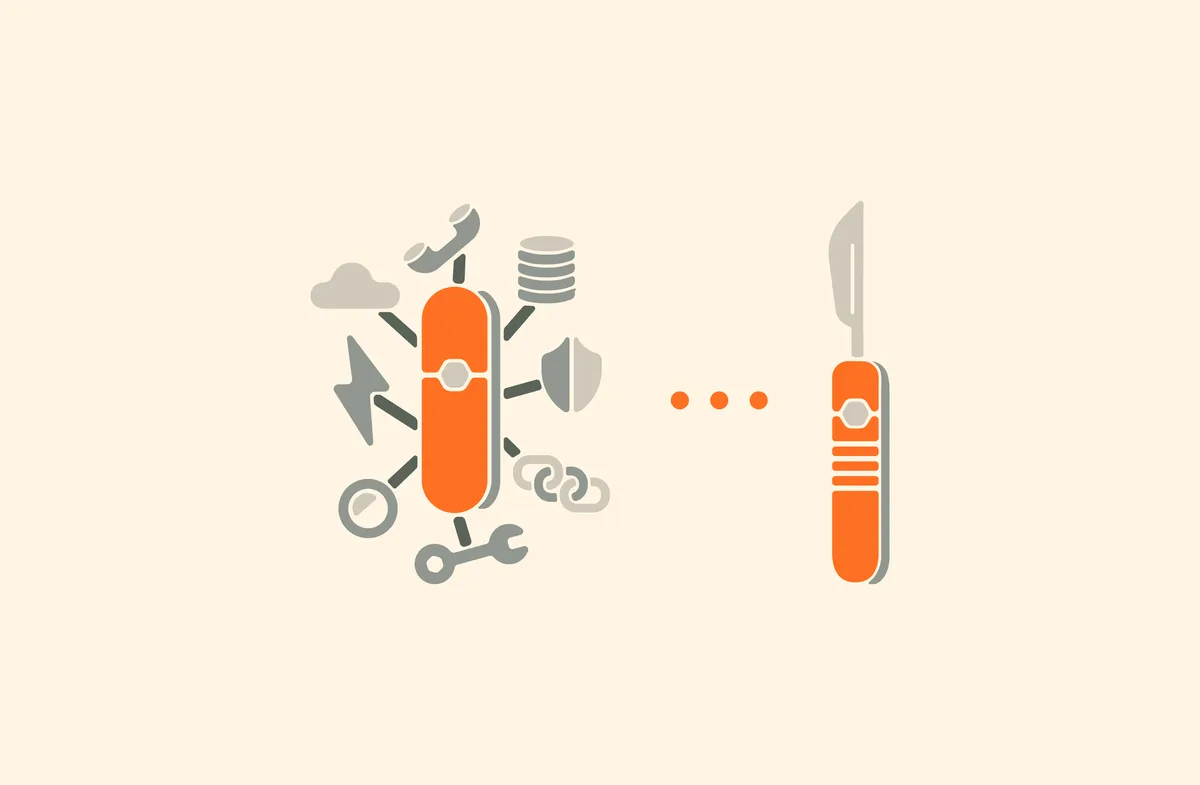
Coding agents typically start with instructions designed to work across many repositories. The Everpure Blog says those prompts do not usually explain repository-specific details, such as which table contains the source of truth for revenue, how timestamps are stored, or how missing values should be handled.
GEPA is designed to generate that missing specialization. Developers provide practice tasks from their own codebase, then a stronger model reviews the agent's work logs, failed tests and the fix engineers shipped. It writes revised instructions and keeps them only when they score better on the same tasks.
The method changes plain-text instructions rather than model weights. The blog says that makes the resulting guidance readable, while allowing it to include practical repository knowledge and advice about how the agent should work.
Cost fell even when accuracy did not
Everpure tested GEPA on eight models using its Zulip coding benchmark. In the initial accuracy-focused experiment, the changes did not produce a measurable improvement. Some models solved slightly more tasks and others slightly fewer, but no difference was larger than the variation between identical runs.
The blog's interpretation is that instructions can change how a model works, but not how difficult a problem it can reason through. The instructions did, however, make agents more focused. They reduced actions such as attempting tests that could not run in the sandbox.
When the scoring system included a small cost penalty, savings reached 40% to 70% across the tested models. The blog reports no detectable accuracy loss for GPT-5.6 Luna, alongside a possible small loss for the other models.
In one comparison involving GPT-5.6 Luna, cost-focused instructions reduced model turns to 0.59 relative to the baseline of 1.00. Attempts to run tests or install packages fell from 4.4 to 0.1 per run, while code searches remained close to the baseline. The blog says fewer turns matter because each turn resends the conversation so far.
Retries helped every model more than prompt evolution
The researchers also tested a feedback-rounds setup. After a failed fix, the agent received the message “not fixed yet” and could make up to two more attempts. According to the blog, that simple feedback added roughly 10 points to the accuracy rate for every model, more than any instruction GEPA produced.
GEPA's cost savings mostly held when retries were allowed. In the one-shot comparison, accuracy-focused instructions alone reduced costs by 14% to 22%. Cost-focused instructions increased savings to 42% for GPT-5.6 Luna and GPT-5.6 Sol, and to 70% for Claude Haiku 5.5. The blog says 29 or 30 of the 30 tasks were cheaper in each case.
For users running agents repeatedly in the same private repository, the findings suggest that repository-specific instructions could reduce recurring AI costs without making the agent more capable. Applying the approach requires examples of common tasks and a way to check whether each task was completed correctly.
Pure Storage: Your Coding Agent Is a Generalist. Here’s How to Make It a Cheaper Specialist