ICCSD committee urges people-centered AI for cultural development
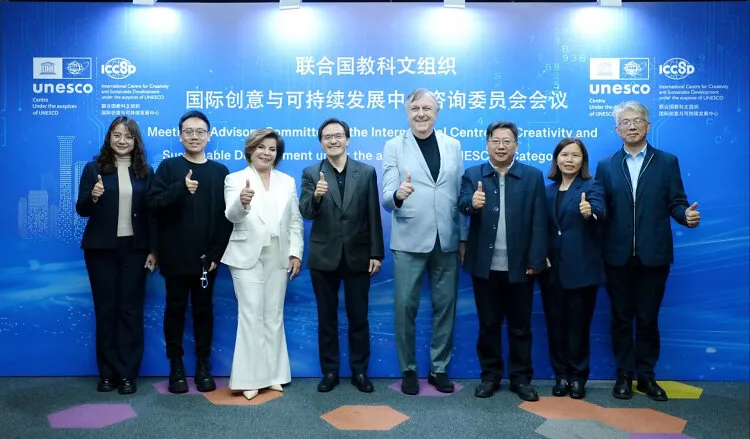
The ICCSD Advisory Committee has called for AI development that supports human creativity, protects creators and reflects cultural diversity. Its members and experts met in Beijing to discuss the technology’s role in cultural development and international policy.
- The ICCSD Advisory Committee met in Beijing on October 26, 2026.
- The meeting included 11 members and experts from four countries.
- Participants called for stronger AI governance and protection of creators' rights.
- Recommendations included diverse cultural datasets, digital access and AI training.
- The committee's recommendations are set to inform its future work.
Committee brings together experts from four countries
The ICCSD Advisory Committee met in Beijing on October 26, 2026. The meeting included 11 members and experts from four countries, and was chaired by Hans d'Orville. Executive Director Xiao Lan opened the session.
Discussions focused on AI and cultural development in the context of UNESCO's 2005 Convention, the International Decade of Culture and the post-2030 agenda. The meeting created a setting for international dialogue and exchange on how technological development could affect cultural work and cooperation.
Recommendations focus on governance and creators' rights
Participants emphasized that technological innovation should serve human creativity and remain people-centered. They called for stronger AI governance, along with protection for intellectual property and creators' rights.
The experts also recommended developing diverse cultural datasets. Such datasets were presented as part of a broader approach that recognizes cultural diversity and supports more inclusive AI development.
According to the report, the committee agreed that AI development should uphold cultural diversity, inclusiveness and technological ethics. It also said AI should help narrow the global digital divide.
Access and training remain central to cultural AI policy
Other recommendations addressed access to digital resources, international cooperation and collaboration between universities. The participants also called for AI training for cultural practitioners, with particular attention to developing countries and rural communities.
These proposals connect AI policy with the practical ability of cultural workers and communities to use digital tools. They also place cooperation, education and access alongside governance and rights protection in the committee's discussion of cultural development.
The meeting's insights and recommendations are set to inform the ICCSD's future work and support sustainable cultural development. The source does not describe specific policies or projects that will follow, but it presents the gathering as a platform for shaping future international discussion around AI and culture.