UNESCO trains officials from Africa and island states on AI ethics tools
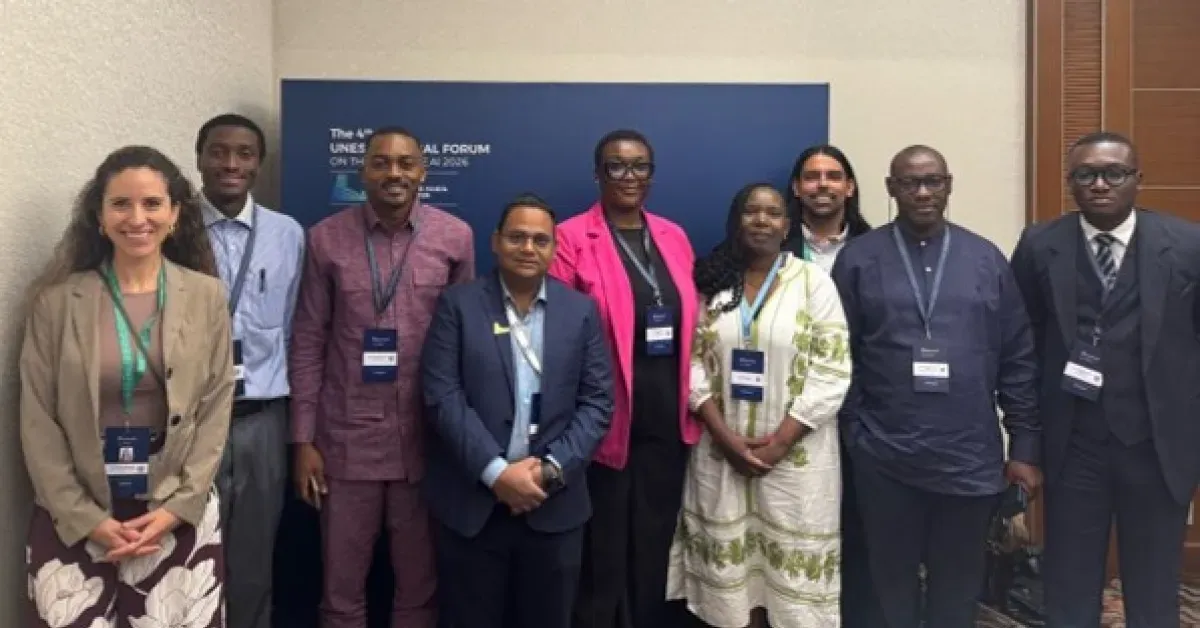
UNESCO has run training for seventeen public-sector participants from sixteen countries across Africa and Small Island Developing States (SIDS), aiming to help them turn AI ethics principles into national action. The activities took place alongside the 4th UNESCO Global Forum on the Ethics of Artificial Intelligence in Riyadh, Saudi Arabia, from 14 to 17 September 2026.
- Seventeen participants from sixteen countries in Africa and SIDS took part in training in Riyadh from 14 to 17 September 2026.
- Sessions on 14 September covered the AI for Environment and Ecosystems Toolkit for Policymakers and the Ethical Impact Assessment (EIA).
- Participants apply their chosen tool to a concrete national project, building on UNESCO's Readiness Assessment Methodology.
- Expert guidance and peer learning continue after the 4th UNESCO Global Forum on the Ethics of AI.
- The initiative is funded by the Japanese Funds-in-Trust (JFIT).
Two tools for policymakers
The participants belong to UNESCO's AI Ethics Action Cohorts, an initiative that supports countries in Africa and SIDS in turning findings from UNESCO's Readiness Assessment Methodology (RAM) into concrete projects for responsible AI governance. Through specialized training, peer exchange and expert guidance, the Cohorts help public officials apply UNESCO's Recommendation on the Ethics of AI to national priorities and strengthen institutional capacity.
On 14 September, participants attended dedicated sessions on two UNESCO tools: the AI for Environment and Ecosystems Toolkit for Policymakers and the Ethical Impact Assessment (EIA).
- The Environment and Ecosystems Toolkit session looked at how policymakers can address the environmental footprint of AI while also using AI to support environmental sustainability and ecosystem protection.
- The EIA session offered a structured approach to identifying potential positive and negative impacts, engaging relevant stakeholders, developing mitigation measures, and strengthening accountability throughout the AI system lifecycle.
According to UNESCO, these tools help public authorities move beyond high-level commitments towards practical approaches that build ethical considerations into AI policy and implementation.
Linking readiness assessments to national projects
The Cohorts build on UNESCO's RAMs, which help countries assess their preparedness to govern AI, identify gaps and set priorities for action. The Cohorts provide a structured follow-up, combining specialized training with national project development and regional peer exchange.
Participants apply their selected tool to a concrete national project. UNESCO says this is meant to ensure the training responds to real policy challenges and can contribute to tangible progress in AI governance.
Rafiq Ilahi of the Ministry of Economic Affairs, Entrepreneurship and Technological Innovation of Suriname pointed to his country's context: "Suriname is the greenest country in the world; we have 93% forest cover, and technology is going to play an important role in economic growth." He added that it makes sense to apply technology while keeping environmental considerations in mind.
Bryan Cristian Bakboord of the Ministry of Economic Development of Curaçao said that learning from different countries and organizations was important, and that the knowledge should be taken back to Curaçao "to implement AI in a good and safe manner."
Support continues after the Forum
Taking part alongside the main Forum placed the implementation-focused work within a wider international discussion on responsible AI governance, according to UNESCO. It also let participants exchange views with practitioners from other nations.
After the Global Forum, participants will receive continued expert guidance as they advance their national projects and adapt the chosen tools to their own contexts. UNESCO says this phase will support practical application, address implementation challenges and encourage further peer learning among the officials.
By linking AI readiness assessments with targeted capacity-building and national action, the Cohorts aim to strengthen the ability of countries in Africa and SIDS to develop and implement AI governance approaches that reflect their priorities. The initiative is part of the project "Supporting countries in building effective AI Governance through implementing the UNESCO Recommendation on the Ethics of AI", funded by the Japanese Funds-in-Trust (JFIT).
UNESCO (AI): UNESCO AI Ethics Action Cohorts advance practical AI governance