Envision Founder Lei Zhang Named a TIME100 Climate 2026 Titan
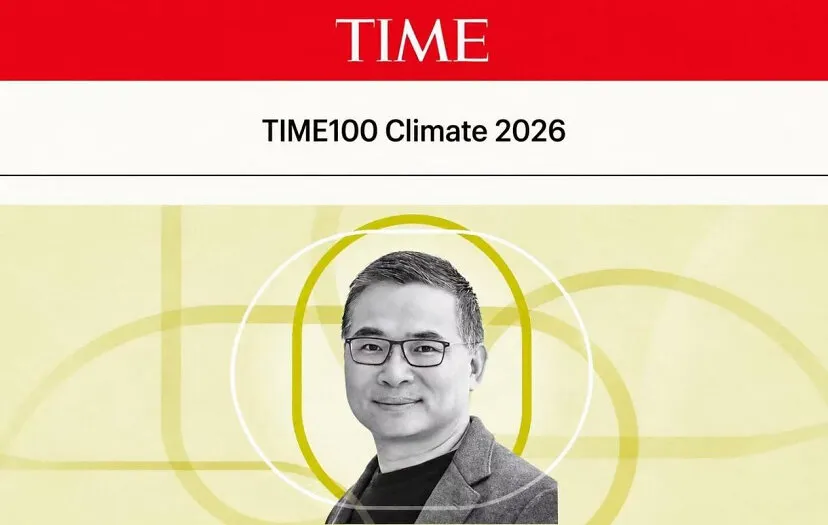
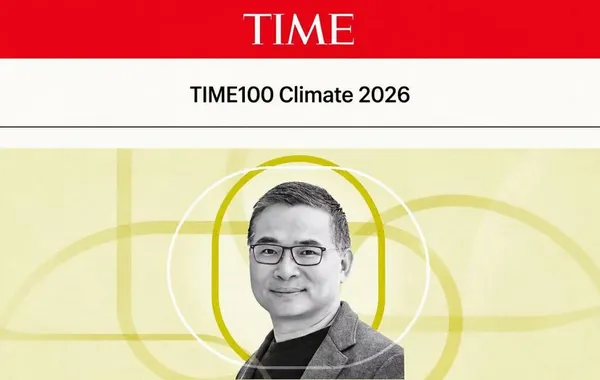
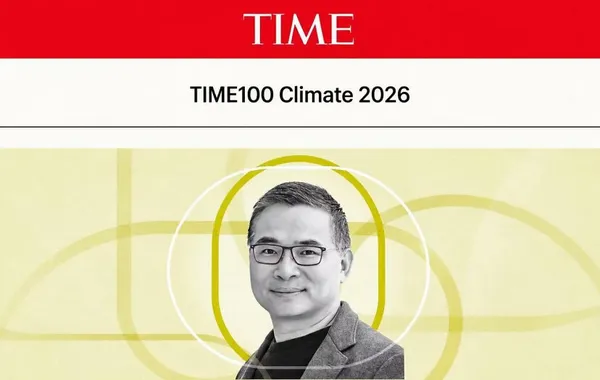
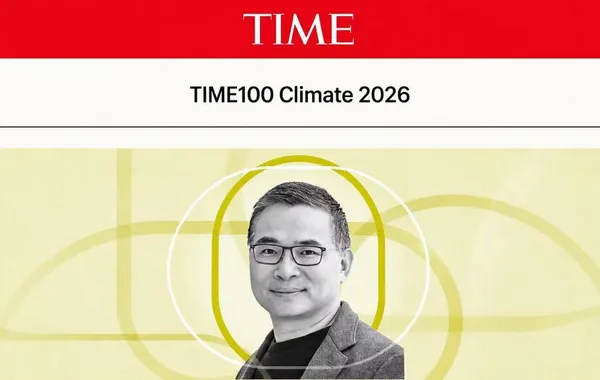
Envision founder and chairman Lei Zhang has been named a Titan in TIME100 Climate 2026 for her work connecting clean energy infrastructure with the expansion of artificial intelligence. The recognition highlights an approach that combines renewable power, energy storage and AI computing to address growing pressure on electricity networks.
- Lei Zhang, Envision's founder and chairman, was named a Titan in TIME100 Climate 2026.
- TIME recognized her work at the intersection of clean energy and AI.
- Envision combines wind, solar and battery systems with AI data centers.
- Mission Gobi aims for 5 GW of renewable-powered data center capacity by 2030.
- The Envision Galaxy campus demonstrates the company's combined energy and computing approach.
TIME recognition focuses on AI and clean energy
TIME100 Climate recognizes 100 leaders pursuing concrete, effective and equitable climate action in business. Zhang was selected in the Titans category, which TIME describes as representing leaders who inspire greater ambition.
According to the announcement, TIME's profile of Zhang highlights Envision's work on data centers powered by dedicated wind, solar and battery systems. The company presents this model as a way to support rising demand for AI computing while expanding clean energy infrastructure.
Envision links computing with renewable power
The recognition comes as Zhang proposes a model for supporting the global growth of AI. It combines renewable energy, storage and AI computing to address a central infrastructure challenge: how to scale computing capacity without adding pressure to increasingly constrained electricity grids.
Zhang believes AI should accelerate the development of clean energy rather than worsen energy constraints, according to the announcement. Envision is putting that view into practice by combining renewable energy with AI infrastructure, allowing both systems to develop at the same time.
The company's approach goes beyond supplying AI with clean electricity. It aims to build future energy systems in which the growth of AI can help drive the wider global energy transition.
Mission Gobi targets 5 GW of renewable-powered data centers
Mission Gobi is a central example of this strategy. Its objective is to bring its renewable-powered data center capacity to 5 GW by 2030. The Envision Galaxy campus is presented as a demonstration of how AI computing capacity and renewable energy can scale together.
For users and the wider market, the announcement points to a different way of addressing AI's energy needs. Rather than treating computing growth and the clean energy transition as separate demands, Envision is pursuing infrastructure designed to expand both at once. The company's stated target and its data center projects show how it plans to apply that model, while the TIME recognition gives wider visibility to Zhang's role in the effort.