Leidos joins US Army's Reveille Forge, a 'permanent hackathon' for early integration
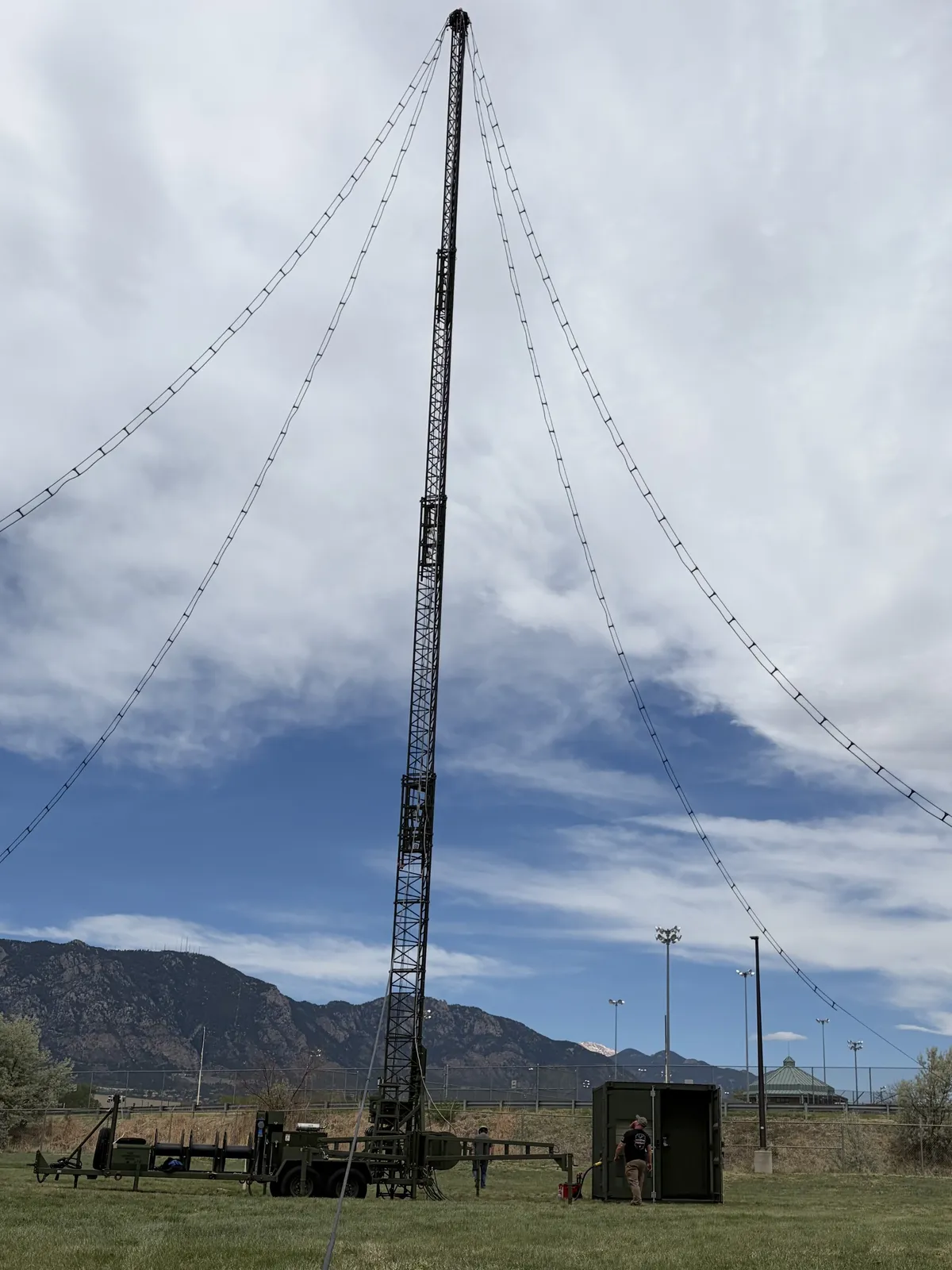
Leidos is taking part in Reveille Forge, the U.S. Army's new enduring integration and testing environment, which aims to surface technology interoperability problems earlier in development. According to Leidos, the effort follows the Army's Operation Jailbreak exercise held earlier this year.
- Leidos is participating in Reveille Forge, the U.S. Army's new enduring integration and testing environment.
- Reveille Forge follows Operation Jailbreak and aims to find interoperability problems before technologies reach soldiers.
- Leidos recently completed Jailbreak Sprint 1.5 at Redstone Arsenal in Alabama, after Sprint 1.0 in June at Fort Carson, Colorado.
- Leidos systems involved include IFPC Inc 2, MXR and ALPS.
- The effort supports the Army's Modular Open Systems Approach and open interfaces.
What Reveille Forge is meant to do
Reveille Forge is intended to identify system interoperability challenges before technologies are deployed to soldiers in the field, according to Leidos. The company says the environment is designed to move Army integration away from periodic events and toward a persistent "integrate-first" approach. Government, industry and academia can use it to test earlier how technologies work together.
The effort also supports the Army's Modular Open Systems Approach. That approach relies on open interfaces to help connect sensors, weapons and software from different providers, and to adapt as mission needs change.
Matt Becker, Leidos Defense Sensors vice president and Operation Jailbreak Leidos representative, said: "Operation Jailbreak showed how open architectures can help turn integration from a barrier into an advantage." He added: "Now, Reveille Forge gives the Army and industry an enduring environment to integrate early, test together and mature capabilities faster."
Operation Jailbreak sprints
Leidos recently completed Jailbreak Sprint 1.5 at Redstone Arsenal's Reveille Forge in Alabama. There, the Army and industry continued integrating and hardening capabilities from the first Operation Jailbreak sprint, held in June at Fort Carson, Colorado.
During the sprints, Leidos says it did the following:
- Demonstrated capabilities in approved test environments.
- Validated interoperability with approved Army systems.
- Tested tools focused on cybersecurity and information sharing.
- Worked with Army stakeholders to identify priorities for future testing.
The Leidos systems involved
Sprint 1.0 at Fort Carson featured IFPC Inc 2, MXR and ALPS. Sprint 1.5 at Redstone Arsenal featured ALPS. The company describes the systems as follows:
- IFPC Inc 2: a mobile, ground-based weapon system capable of countering unmanned aerial vehicles and cruise missile threats.
- ALPS: the Army Long-Range Persistent Surveillance system, which uses passive, 360-degree sensing to detect aerial threats without revealing its position.
- MXR: an AI-enabled counter-drone radar designed to detect, track and identify small unmanned aerial systems in high-clutter environments.
What comes next
Leidos says it plans to keep advancing open architectures, strengthening interoperability and helping mature integrated capabilities for future testing and operational use through ongoing participation in Reveille Forge. The company ties the work to NorthStar 2030, its growth strategy focused on combining Defense Tech, mission expertise and integration capabilities to address complex customer challenges.
For the Army and its suppliers, the pitch is a standing place to find compatibility problems before fielding rather than after. Leidos, which reported annual revenues of approximately $17.2 billion for the fiscal year ended January 2, 2026, is positioning its sensors and weapon systems as part of that open, multi-vendor approach.
PR Newswire: Leidos participates at U.S. Army's Reveille Forge 'permanent hackathon'