LTX-2.5 Offers Raw Open-Weights Checkpoint for Robotics and Physical AI
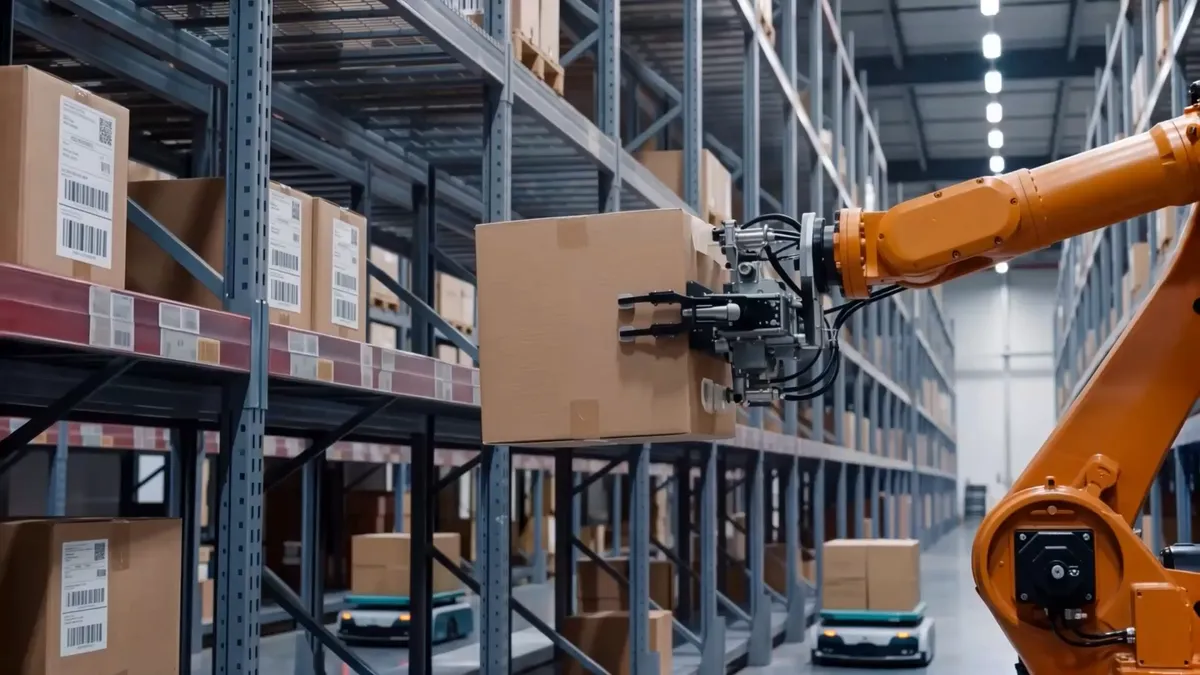
LTX (Lightricks) says its 22-billion-parameter LTX-2.5 model includes a raw pretrained checkpoint meant as a starting point for robotics, autonomous vehicle and other physical AI work. The company argues that open weights and self-hosting let teams fine-tune on sensitive environment data without sending it to a third party.
- LTX-2.5 is a 22-billion-parameter model with a cinematic/avatar checkpoint and a separate raw pretrained checkpoint for physical AI.
- The raw checkpoint is meant as a fine-tuning starting point for robotics and autonomous vehicle teams.
- LTX's pages disagree on local VRAM needs: 16GB on the model page, 12GB on the robotics page.
- The LTX Community License is free for organizations under $10M in annual revenue, with enterprise terms above that.
- LTX is a founding member of the Cosmos Coalition alongside NVIDIA.
What separates a world model from a video model
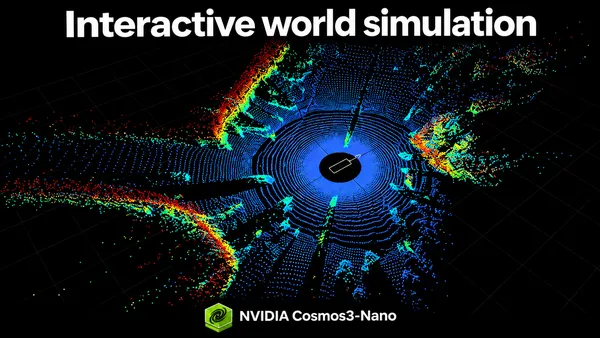
According to LTX, a conventional video generation model produces a plausible-looking clip from a prompt. A world model is trained to predict how an environment changes over time in response to action. That property, the company says, makes it useful as a simulator rather than only a content generator.
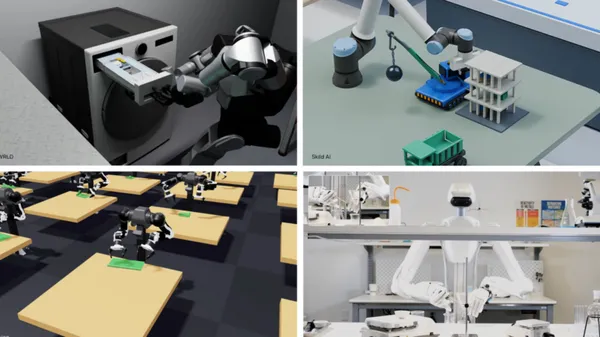
LTX describes a growing category of open-weights foundation models now being applied to robotics, autonomous vehicle development and synthetic training data generation.
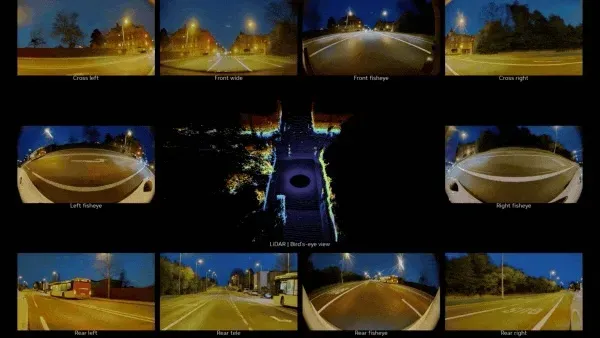
The reasoning is practical. Training a robot arm, a humanoid or an autonomous vehicle requires exposure to far more variation than manual data collection can produce: different lighting, object arrangements, viewpoints and physical interactions. A world model can generate that variation synthetically, giving an agent video data to train against without a camera crew or a physical test environment for every scenario.
Two checkpoints from one 22-billion-parameter base
LTX-2.5 is a single 22-billion-parameter foundation with two checkpoint paths. One is a finetuned checkpoint tuned for cinematic video and real-time avatar generation. The other is a raw pretrained checkpoint, built before any task-specific finetuning, intended for teams building robotics, autonomous vehicle or other physical AI applications.
LTX says the split matters because a cinematic checkpoint carries assumptions such as lighting conventions, camera language and stylistic bias that a physical AI team does not want in its training data. Starting from the raw foundation avoids that.
The company names two users. Markov Robotics uses the model to develop how physical systems perceive and move through their environment. Reactor runs LTX-2.5 on its own low-latency infrastructure for real-time, interactive world generation.
LTX also flags an inconsistency in its own documentation. The main LTX-2.5 model page lists a 16GB minimum VRAM requirement for local inference, while the Robotics & Physical AI solution page says the model runs locally on 12GB of VRAM. Both are current, official sources, and LTX advises scoping hardware against current documentation for the specific workload and resolution.
Open weights, licensing and self-hosting
LTX argues that a closed, API-only world model creates a particular problem for physical AI. Training data for robotics or autonomous vehicles is often proprietary, safety-sensitive or regulated, and sending it through a third-party API means it leaves the developer's infrastructure. For some applications, the company says, that is disqualifying.
With open weights, a team can run generation and fine-tuning on hardware it controls. Teams can fine-tune the raw checkpoint on their own environments and deploy the result entirely on their own infrastructure, with no inference request leaving it.
LTX-2.5 is released under the LTX Community License. It is free for organizations under $10M in annual revenue, with enterprise terms available above that threshold. According to LTX, the terms apply to the model itself rather than to a hosted product tier, so one license covers cinematic, gaming and physical-AI fine-tuning use.
LTX is also a founding member of the Cosmos Coalition alongside NVIDIA, a collaboration extending open foundation-model access from AI video into physical AI, simulation and robotics.
What it means for developers
For teams evaluating open world models, LTX lists three requirements: weights that can be downloaded and inspected, a license that covers commercial use without per-feature carve-outs, and a way to fine-tune on their own environment data without it leaving their infrastructure. The company says a closed API can only partly meet the first and cannot meet the other two.
These are LTX's own claims, and the hardware figures in particular should be checked against current documentation before planning a deployment.
LTX (Lightricks): Leveraging Open-Source World Models For Physical AI Simulation | LTX Blog