NVIDIA DSX POD moves AI factory assembly into the factory with containers
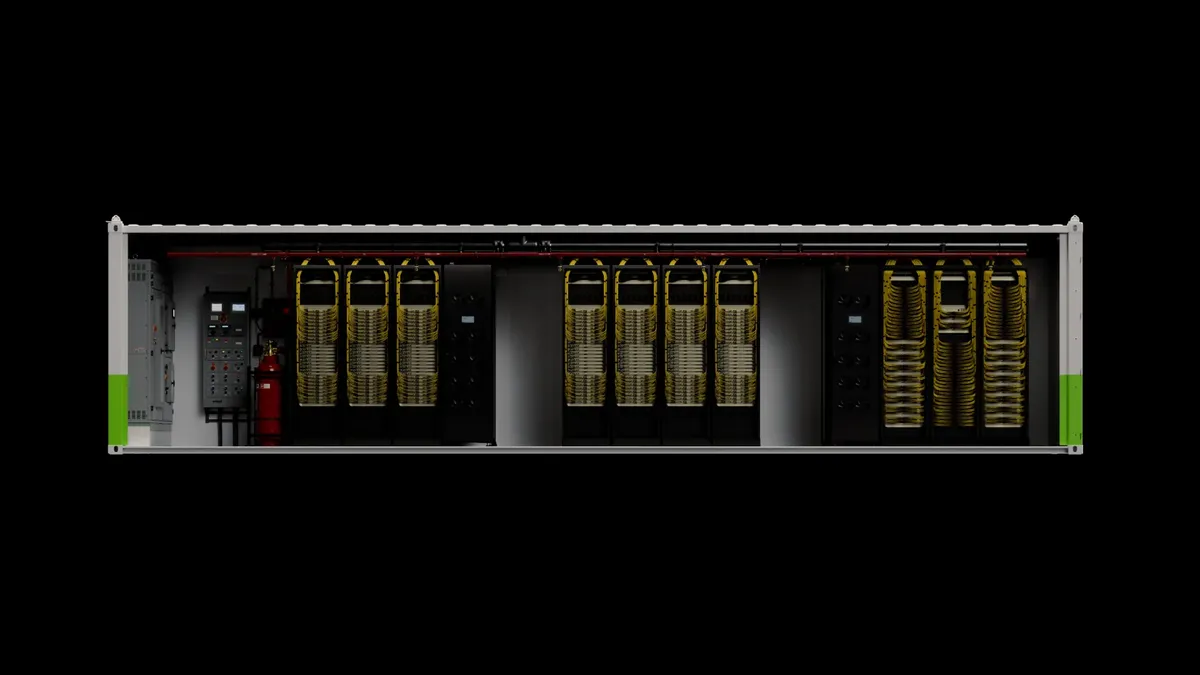
NVIDIA has detailed DSX POD, a standardized, factory-built reference design that pre-integrates rack-scale AI infrastructure into containers and validates it before shipment. According to NVIDIA, the aim is to help operators reach productive AI capacity faster and more predictably.
- NVIDIA DSX POD is a standardized, factory-built reference design that pre-integrates rack-scale AI infrastructure into containers.
- Partners validate the integrated unit before shipment, while site teams prepare foundations, power and connectivity in parallel.
- The architecture is aligned with the NVIDIA Vera Rubin platform and specifies a standard input 800 VDC power design.
- NVIDIA provides the design foundation; partners handle manufacturing, regional engineering, deployment and support.
- Containerization is optional, and conventional builds remain valid, according to NVIDIA.
Why NVIDIA wants to shift integration upstream
NVIDIA describes the conventional data center build as a sequence of dependent steps. Teams select the site, design power and cooling, lay out the facility, and plan and install racks and cables. Only then can they validate the network and cluster incrementally and bring service online. According to NVIDIA, this requires coordinated specialized labor, and delays can push back the date the infrastructure begins producing tokens.
DSX POD moves more of that work into a controlled factory environment. It is one of several AI factory implementation models supported by the NVIDIA DSX AI Factory Platform, and it is the standardized, factory-built one. Partners build standardized containers that pre-integrate AI infrastructure, complete critical validation before shipment, and connect to prepared site infrastructure after delivery. Site teams can prepare foundations, power and external connectivity in parallel.
NVIDIA stresses that the design does not make containerization mandatory. Conventional data center construction and onsite-integrated designs remain important options. DSX POD is positioned as a path for large-scale deployments where schedule predictability, repeatability and reduced onsite work are priorities.
What the reference design covers
The architecture is designed around the NVIDIA Vera Rubin platform and its rack-scale systems. NVIDIA says it describes a complete AI factory rather than a compute enclosure in isolation, covering compute, service and management functions, scale-out networking, storage, power, cooling and cabling. It defines coordinated requirements across these areas, along with the mechanical design needed for transportation.
- Compute: The design defines how compute and supporting racks fit in the container, including structural support, weight distribution, equipment restraint, service clearances, and airflow and liquid-cooling access. Partners validate the installed environment as a deployment unit, with checks that can include rack inventory, firmware and configuration baselines, power-on checks, fabric connectivity, sensor operation and cooling integrity.
- Networking and storage: These are treated as part of the system architecture, not site-specific additions. The design covers connectivity within a container, between containers and to the customer's external network. Storage requirements are defined while the final equipment can reflect deployment scale and partner solution.
- Cabling and controls: Rack-to-rack network cabling, power wiring, control wiring and sensor integration move into the factory wherever practical, which NVIDIA says reduces the number of field terminations after delivery.
- Power: DSX POD uses a standard input 800 VDC power design that runs from the electrical input to the core containers through protection, distribution, grounding, rack connections, controls and telemetry. Partners engineer the upstream generation, conversion and regional electrical solution for the customer site.
Division of work with partners
NVIDIA says it provides the validated design foundation, while ecosystem partners handle manufacturing, regional engineering, customization, deployment and support. Its engineering investment spans rack layout, structural loading, power, cooling, cabling, service access, reliability and validation.
The company frames DSX POD as the next step in a progression toward greater factory integration. NVIDIA has moved from chips and boards to complete rack-scale systems and large-scale reference architectures such as NVIDIA DGX SuperPOD. DSX POD, it says, carries this approach into a factory-built AI factory, moving most component integration from the customer site into a controlled manufacturing environment.
What it means for operators
For operators planning large AI deployments, the pitch is fewer onsite integration tasks and a more repeatable schedule. Standardized container interfaces, according to NVIDIA, enable repeatable capacity expansion and a consistent foundation for software optimization across deployments. The company's blog post points readers to the DSX POD reference design to evaluate how it can accelerate AI factory deployment. The excerpt provided does not include pricing, availability dates or performance figures.
NVIDIA Developer: Achieve Productive AI Capacity Faster and More Predictably with NVIDIA DSX POD