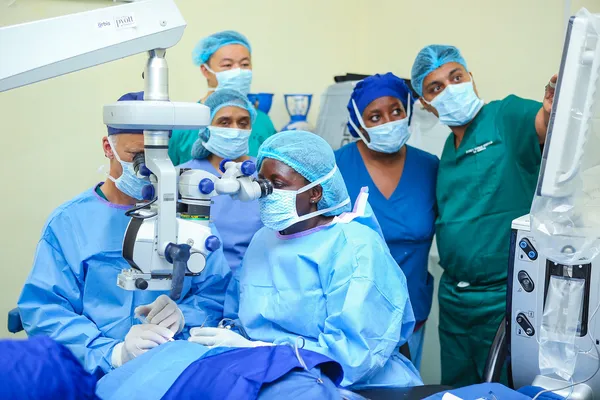
Orbis wins AWS grant to bring AI screening for infant blindness to more countries
Global eye care nonprofit Orbis has been named a winner of the 2026 AWS Imagine Grant: Children's Health Innovation Award. The grant will fund a multi-country effort to bring AI-assisted screening for retinopathy of prematurity, a leading cause of blindness in children worldwide, to neonatal teams in Asia.
- Orbis won the 2026 AWS Imagine Grant: Children's Health Innovation Award.
- The grant combines funding, AWS computing credits and technical implementation support.
- AI-assisted retinopathy of prematurity screening from Siloam Vision will be integrated into the Cybersight platform.
- The project expands from Mongolia and Bangladesh to clinical teams in India and Vietnam.
- AWS says it has given more than $21 million to over 200 nonprofits since 2018.
What the grant covers
According to the announcement, Orbis will receive a combination of funding and AWS computing credits, along with implementation support from technical specialists. The award recognizes what AWS describes as highly innovative, mission-critical projects that accelerate children's health innovation using advanced cloud services.
Proposals were assessed on several criteria: the innovative and unique nature of the project, its impact on mission-critical goals, and clearly defined outcomes and milestones.
Rick Buettner, Global Director of Nonprofits at AWS, said this year's recipients are "doing extraordinary work to improve the lives of children." He pointed to examples from other winners, including using cloud technology to improve bus routes for special needs students and leveraging AI to answer pediatric health questions without subjecting minors to lengthy clinical studies.
AI screening inside the Cybersight platform
With the grant, Orbis will integrate AI-assisted screening for retinopathy of prematurity, developed by Siloam Vision, into Cybersight, its telemedicine and e-learning platform. The goal is to help neonatal teams identify babies at risk of avoidable sight loss sooner and connect them to timely follow-up care.
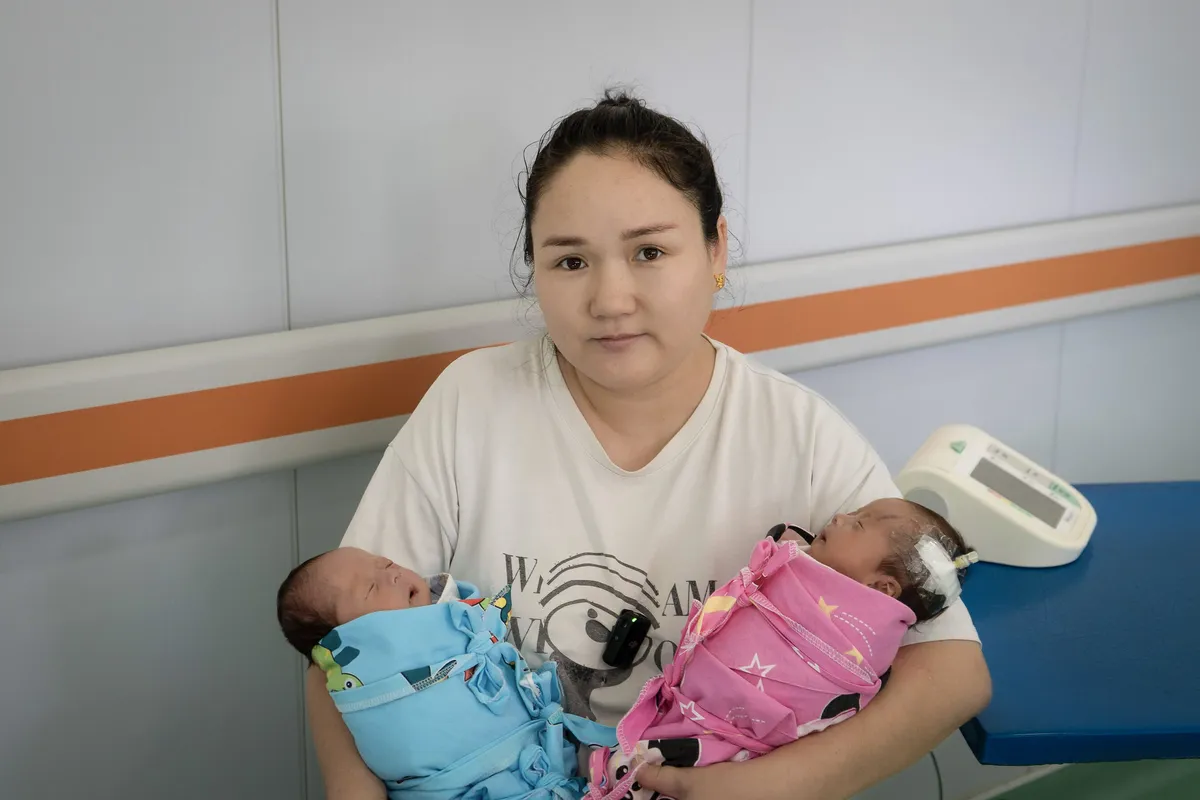
The project builds on Orbis's existing work with Siloam Vision in Mongolia and Bangladesh. It will now extend access to AI-supported screening for clinical teams in India and Vietnam as well. The announcement notes that in Ulaanbaatar, Mongolia, a mother of twins was among those whose premature babies were some of the first ever screened for the condition with assistive artificial intelligence.
According to Orbis, AWS funding, cloud computing credits and technical expertise will help strengthen the digital infrastructure needed to review retinal images, support clinical decision-making, prioritize urgent cases, and make screening more accessible for families living far from specialist eye care services.
Nicolas Jaccard, Orbis Director of AI and Software Engineering, said that bringing the screening into Cybersight AI can "help make specialized eye care expertise available to neonatal teams wherever they are." He added that AWS cloud services and technical support will allow Orbis to build the "secure, scalable infrastructure" needed to process retinal images.
About the program and Orbis
AWS says it has awarded more than $21 million in unrestricted funding, cloud computing credits and technical expertise to more than 200 nonprofit organizations since the Imagine Grant program launched in 2018.
Orbis works to prevent blindness and restore sight for children and adults where eye care is out of reach. The organization says around 1.1 billion people live with vision loss, and that with the right care, 90% of it is completely avoidable. It trains doctors, nurses and other eye care professionals to deliver care in their own communities, and began its work more than 40 years ago with the Flying Eye Hospital, a teaching hospital on a plane. Today it also works with local hospitals and clinics across Africa, Asia and Latin America.
What it means
For neonatal teams in India and Vietnam, the project promises access to AI-supported retinopathy of prematurity screening through a platform Orbis already runs. For families far from specialist eye care, the stated aim is earlier identification of babies at risk and faster referral. The announcement does not give timelines, funding amounts or outcome figures for the project, so its results remain to be seen.