SAP launches physical AI to link robots and drones to business processes
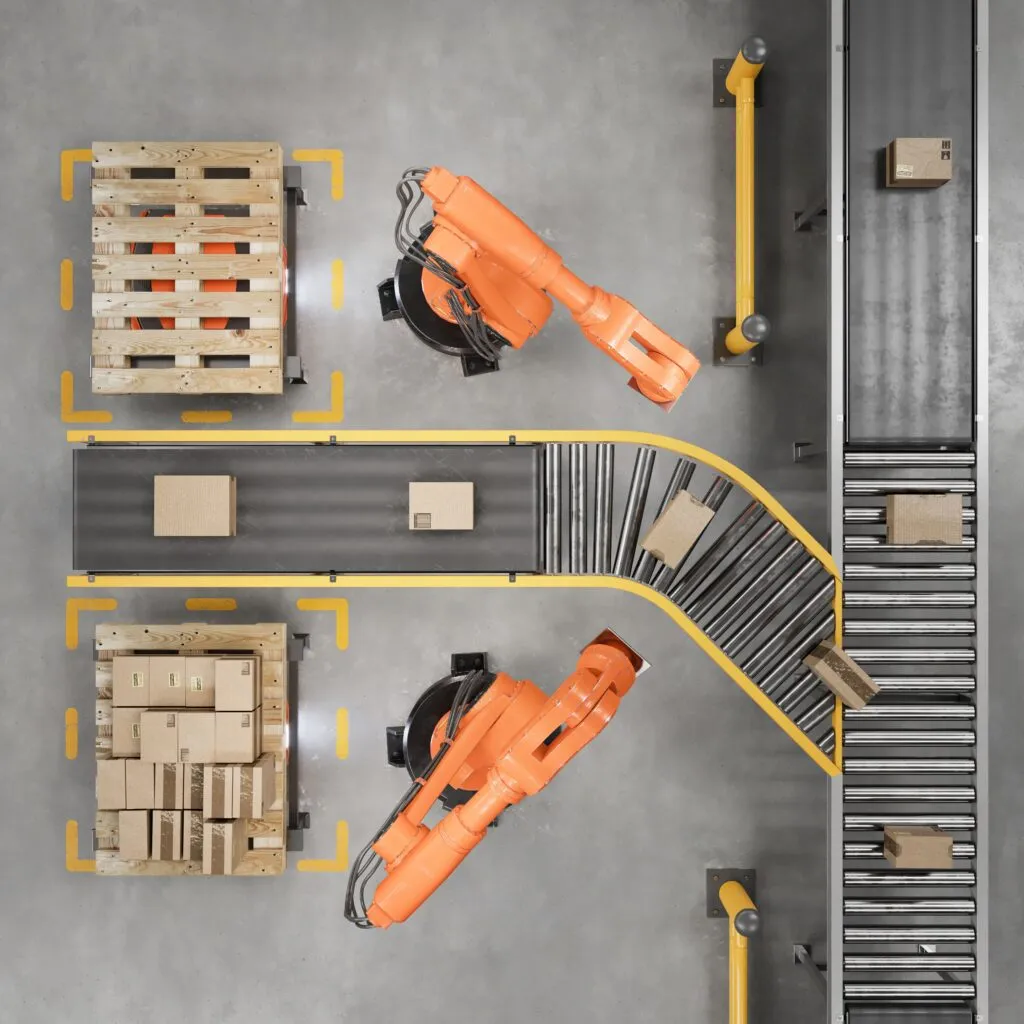
SAP has introduced physical AI, a set of capabilities that connect robots and other physical systems directly to the enterprise processes running inside SAP software. According to the company, the aim is to make physical execution a governed, auditable extension of the business.
- SAP introduced physical AI at SAP TechEd 2026, linking robots, drones and other physical systems to SAP business processes.
- Every physical action is designed to leave an auditable record, with human-in-the-loop control, on the SAP Business AI Platform.
- The approach is vendor and hardware agnostic, with partners providing the physical execution.
- Named examples include Foxconn, Arçelik-LG, Intel (a proof of concept in Chengdu) and Holcim.
- Starting use cases are warehouse operations and asset inspection.
Closing the gap between business systems and the shop floor
In a feature published at SAP TechEd 2026, Lukasz Ostrowski, global head of Physical AI and Robotics at SAP, argues that most physical AI helps machines act, while SAP's version is meant to help businesses act. SAP describes this as an extension of its Autonomous Enterprise concept into the real world.
The company points to a gap between what a business knows and the intelligence generated by physical operations such as asset health, task completion, quality, throughput and exceptions. According to SAP, this gap causes delayed responses, ill-informed decisions and physical operations that never enter the business record, which lowers revenue and margins and raises risk exposure.
SAP's answer is that the system running the business also controls the physical operations. Business knowledge triggers physical actions, physical signals arrive with business context attached, and field results flow back into SAP as structured data. SAP says every physical action leaves a traceable, auditable record tied to the relevant business process.
Four design principles
SAP lists four capabilities that it says go beyond plain automation:
- Business-driven physical action: executions are grounded in order priorities, safety rules, inventory status and compliance constraints, with the business system staying in control of what is executed, when and why.
- Physical evidence into digital workflows: each task creates a full audit trail, and observations flow back into SAP automatically.
- Enterprise-governed execution: built on the SAP Business AI Platform, the capabilities are designed for traceability, auditability and human-in-the-loop control. Physical world data flows into SAP Business Data Cloud as new structured data products.
- Vendor and hardware agnostic: customers can use device platforms, physical systems and AI models of their choice. SAP provides business context, orchestration and governance, while partners provide the physical execution.
Customer and partner examples
Foxconn's head of Physical AI, Dr. Wang, said that warehouse tasks from SAP Extended Warehouse Management directly orchestrate the company's humanoid robots and autonomous transport systems. Asset inspections triggered by maintenance plans go to robotic platforms and return verified outcomes to SAP. In his words: "the robot knows why it acts, and the business system knows what happened."
Arçelik-LG: the air conditioner joint venture between Arçelik and LG Electronics uses physical AI by SAP to let a humanoid robot execute and record inbound storage tasks. According to SAP, this addresses incorrect storage placements in inbound logistics, with potential savings of millions of euros. The example uses SAP Extended Warehouse Management, with FairConsult 24|7 named as ecosystem partner.
Intel: warehouse transport tasks generated in SAP are automatically translated into robot missions and executed autonomously, using Intel-powered edge AI and robotics. In a proof of concept at Intel's Chengdu site in China, material movement is automated end to end, reducing transport distances and repetitive manual handling. Anu Intelligence is listed as a partner.
Holcim: after attending the Embodied AI Jam in August 2026, the building materials company implemented physical AI for asset inspections. Quadruped dogs inspect conveyor belts in dark, dusty areas and kilns in extreme temperatures, while drones inspect assets at heights that are hard for humans to reach. A maintenance plan in SAP Plant Maintenance triggers the action, and a maintenance notification is created back in SAP once it is done. Partners named are Cyberwave, Field AI and Hybird.
What it means for SAP customers
SAP says that for enterprises already running its software, physical execution inherits the intelligence, context and governance already in place. Customers can begin with warehouse operations and asset inspection use cases, or with a use case tailored to their needs, as part of Industry AI. The source does not give pricing or availability details, and interested companies are directed to contact SAP by email.