Schneider Electric: Operator Expertise Is the Base for Autonomous Plants
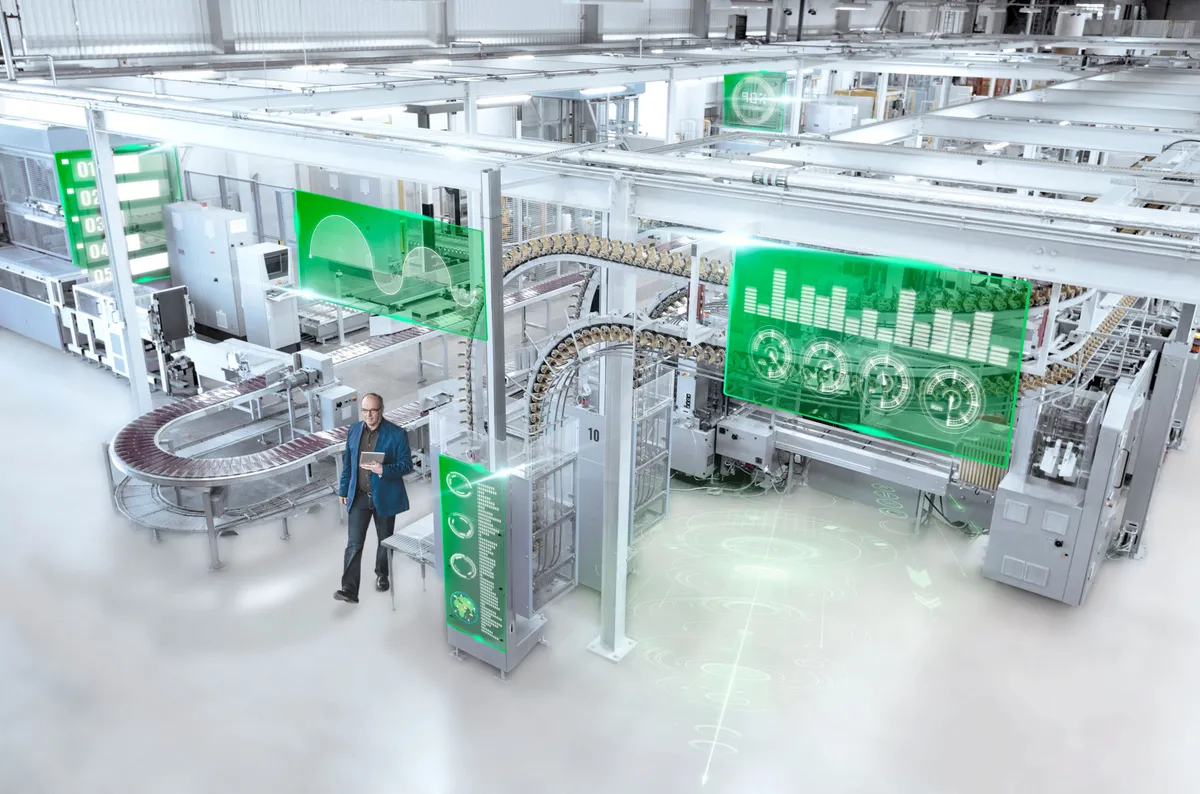
Schneider Electric argues that autonomous industrial operations will grow out of operator expertise rather than replace it, pointing to asset-level data and a refinery hydrotreater project as examples. The company also cites findings from its Global Autonomous Maturity Report, based on responses from 400 senior energy-sector decision-makers.
- Schneider Electric says operator expertise is the foundation for autonomous operations.
- Its Global Autonomous Maturity Report (400 energy-sector decision-makers) shows an average score of 3.52 out of 5, expected to reach 4.02 by 2030.
- In a refinery hydrotreater use case, the company reports 1-3% less hydrogen consumption and 75% fewer sulfur excursions.
- Top barriers to autonomy are investment costs (34%), legacy infrastructure (30%) and resistance to change (27%).
Expertise first, autonomy second
In a blog post, Schneider Electric describes operators as the people who know how a plant behaves. They notice when a pump sounds different, understand how a process reacts to changing conditions and know which adjustment can stop a minor deviation from turning into a production issue. According to the company, this expertise becomes more important as industries move toward autonomy, because a system must first understand how experienced operators interpret conditions and balance priorities before it can make or recommend decisions.
Schneider Electric says technology can make that expertise more accessible, more consistent and more scalable. As confidence grows, selected decisions can gradually shift from human judgement supported by technology to increasingly autonomous action.
The company's Global Autonomous Maturity Report found an average maturity score of 3.52 out of 5 among the 400 respondents, placing organizations between Advanced Regulatory and Select Autonomy. By 2030, that figure is expected to reach 4.02, driven by productivity gains, cost reduction and competitive advantage, according to the report.
Reading intelligence from assets and processes
Schneider Electric says a motor, pump or drive generates information continuously. Mechanical changes can leave subtle traces in current, voltage and frequency. By combining this electrical data with its expertise in rotating equipment and advanced analytics, the company says it can translate those patterns into insights about how the asset is behaving.
The company calls this industrial intelligence at the asset level and says its implications go beyond maintenance. When such intelligence is available to the wider operation, it can inform production decisions and, over time, contribute to how systems respond automatically to changing conditions.
The post also describes a refining company that wanted to advance autonomous operations while preserving and scaling operational expertise. Years earlier, Schneider's Digital Transformation Advisory team had helped set up an operator training simulator and digital twin environment. That foundation later supported the next stage. Instead of aiming at an autonomous refinery, the project focused on a specific hydrotreater use case where decision support could improve performance.
- Workshops, operational reviews and data analysis identified where expert judgement created value.
- The AI solution, framed by Schneider's lifecycle services, assists operators with their hydrotreater workflows through algorithms designed for continuous learning.
- According to Schneider, it leads to a 1-3% reduction in hydrogen consumption, 75% fewer excursions in sulfur of product and a 3-5% reduction in operator load.
The digital twin now served a second purpose, the company says: bringing operational expertise, process knowledge and industrial AI together in a controlled environment before deployment in live operations. The initial goal was better decisions, not autonomy.
Barriers and what it means for industry
The maturity report suggests technology alone is not enough. While 49% of executives identified AI and machine learning as critical enablers of autonomy, the biggest barriers remain investment costs (34%), legacy infrastructure (30%) and organizational resistance to change (27%).
Schneider Electric notes that most industrial companies build on existing assets, automation systems, operating practices and workforce capabilities, so success depends on connecting these elements rather than modernizing them in isolation. Its Digital Transformation Advisory approach combines operational excellence, asset management, industrial data and AI, energy management and cybersecurity.
The report also points to the cost of waiting. According to the findings, 59% of executives associated delayed adoption with rising operating costs, 52% with worsening skills shortages and 48% with reduced competitiveness. Nearly six in ten believe net zero would be impossible or considerably harder to achieve without autonomous operations.
For industrial operators, the message from Schneider Electric is a gradual path: start with focused use cases, validate outcomes, and scale what works. The company states that autonomous operations do not emerge from a single technology investment but from combining expertise, operational knowledge and intelligence from assets and processes. The hydrotreater results are company-reported figures from one customer project.