Shield AI completes first full-scale autonomous X-BAT prototype
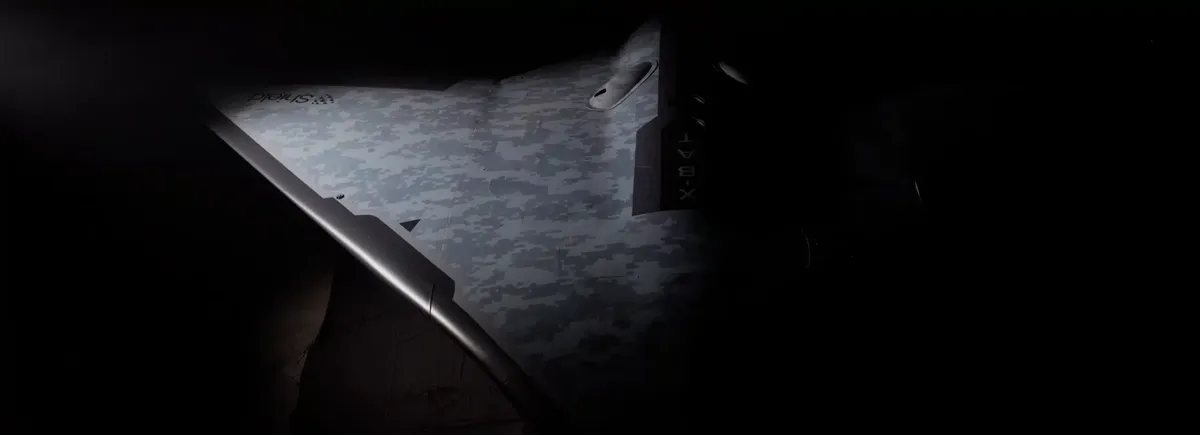
Shield AI has completed the first full-scale prototype of its autonomous X-BAT vertical takeoff and launch strike fighter. The aircraft is moving from the company’s development facility in Frisco, Texas, to its flight test facility in Newton, Kansas.
- Shield AI completed its first full-scale X-BAT prototype.
- The aircraft is moving from Frisco, Texas, to Newton, Kansas, for testing.
- Testing will progress from engine runs to crane-suspended and untethered flights.
- Shield AI is aiming to fly a missionized aircraft in 2028.
- The company is aiming to enter production in 2029.
A prototype built in one year
Shield AI said the prototype was completed one year after it first shared its design and vision for X-BAT, which it describes as the world’s first autonomous vertical take off and launch, or VTOL, strike fighter. The milestone follows a year of engineering and construction work under what the company called an ambitious schedule.
In a blog post, Armor Harris, Shield’s senior vice president of aircraft engineering, said the aircraft and the speed at which it was built reflected the work of the company’s aviation team. Harris also stressed that the prototype marks the start of further development rather than the end of the program.
According to Shield AI, work with Navy leaders over the past year included wind tunnel testing, engine testing and thermal testing. The company said government subject matter experts were made available to its technical team as it worked to address major technical risks.
Designed for multiple missions and operating locations
Shield AI is developing X-BAT as a multi-role aircraft intended to meet current operational needs while remaining adaptable as those needs change. The company says the aircraft is large enough to carry strike weapons internally and externally, and is being designed for air-to-air, electronic warfare and other mission sets.
Shield AI contrasts X-BAT with Air Force Increment 1 CCAs, describing those aircraft as smaller platforms focused exclusively on air-to-air missions. The company says X-BAT is twice the size, has air-to-ground strike capacity and carries more sensors. Its F110 engine with thrust vectoring is also intended to provide a more fighter-like flight envelope than smaller aircraft with Williams-type engines.
Vertical takeoff and landing is central to the concept. Shield AI says the capability could allow X-BAT to operate from places including ships and islands, giving commanders more options and making the aircraft harder to locate and destroy on the ground. The company frames that flexibility as an asymmetric capability for the Pacific and other theaters.
Flight testing comes next
The initial test campaign will begin with the vehicle horizontal on a launch and recovery vehicle while its engine runs. Shield AI then plans to bring it vertical, run the engine in that position and suspend the aircraft from a crane before progressing to untethered flights.
The crane will serve as a safety mechanism during testing, according to the company. The immediate focus is launch and recovery, with the team aiming to expand the aircraft’s testing envelope. Shield AI says it is aiming to fly the missionized aircraft in 2028 and enter production in 2029.
For users and the wider defense market, the milestone shifts X-BAT from design and prototype construction toward demonstrations of its vertical flight and operational concept. Those future tests will show whether the aircraft can deliver the multi-mission and distributed operating options Shield AI is pursuing.