Silicon Quantum Computing's Watermelon Makes Fast Company's 2026 Tech List
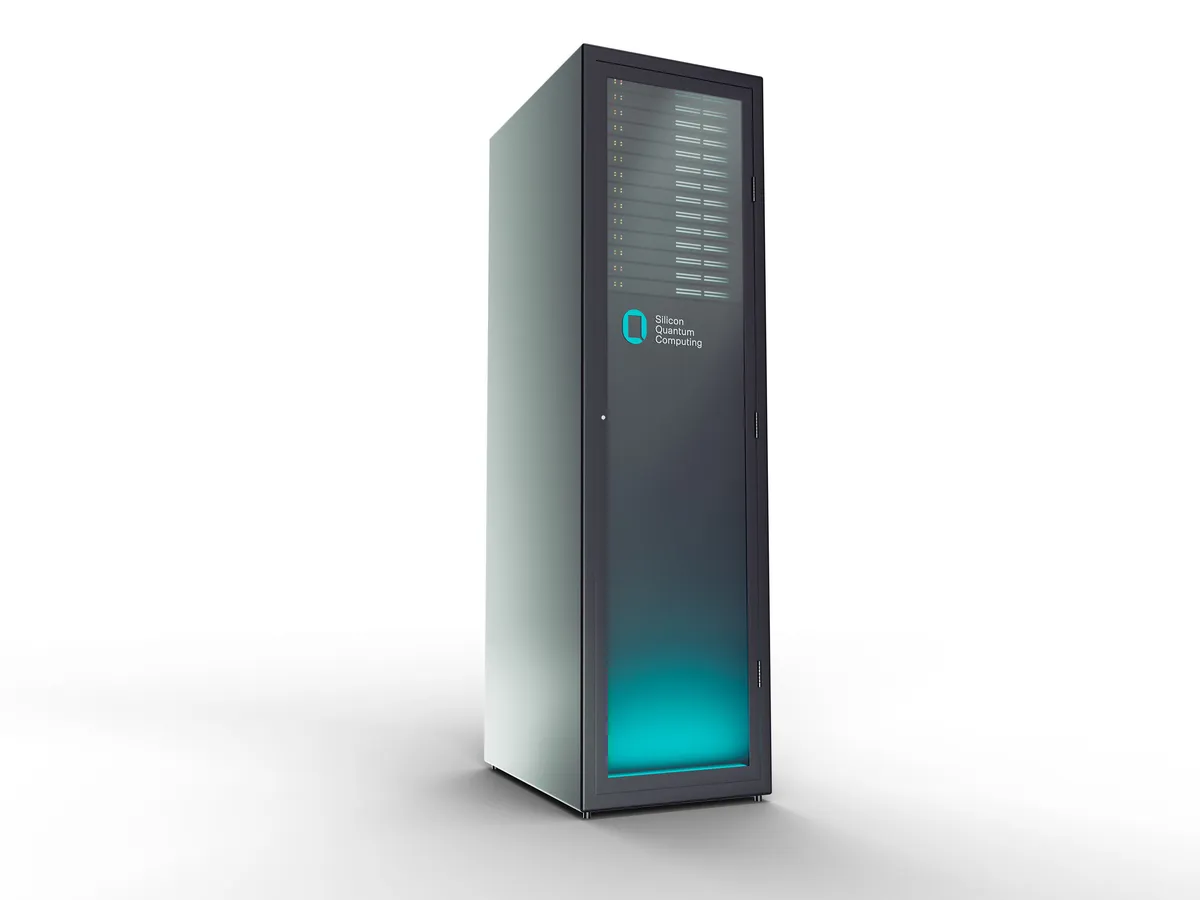
Silicon Quantum Computing (SQC) says its quantum-enhanced AI system, Watermelon, has been named to Fast Company's 2026 Next Big Things in Tech list. The Sydney-based company describes the system as the world's first commercial quantum reservoir computer.
- SQC's Watermelon was named to Fast Company's 2026 Next Big Things in Tech list in the Computing, Chips, and Foundational Technology category.
- SQC calls Watermelon the world's first commercial quantum reservoir computer, launched in October 2025.
- In Telstra trials, SQC says training time for a predictive network model fell from weeks to days.
- With Schneider Electric, home energy forecasting accuracy improved by up to 41% against the classical benchmark, according to SQC.
What Fast Company recognized
According to SQC, Fast Company placed Watermelon in the Computing, Chips, and Foundational Technology category, citing its approach to combining quantum and classical computing. The annual list is meant to recognize breakthrough technologies with the potential to transform industries and shape the future.
Fast Company describes the list as covering technologies from established companies, startups and research teams that are making meaningful progress toward transforming the lives of consumers, businesses and society. Brendan Vaughan, editor-in-chief of Fast Company, said the companies and teams on this year's list are "tackling ambitious problems with new ideas, products, and approaches."
How Watermelon works
SQC says Watermelon launched in October 2025 and draws on the company's atomic manufacturing capabilities. The system generates quantum-enhanced features from classical data, with the aim of uncovering complex relationships in sparse and time-series datasets. It can also serve as an offload resource to train AI models more efficiently, according to the company.
SQC positions the product for global enterprises where AI training costs, energy consumption and time-to-insight directly affect operational outcomes.
Customer results reported by SQC
The company points to two sets of results:
- Telstra: in commercial trials with Australia's largest telecommunications provider, Watermelon reduced the training time of a predictive network model from weeks to days.
- Schneider Electric: more recent results with the global energy technology leader showed Watermelon improved the accuracy of home energy forecasting models by up to 41% against the classical benchmark.
These figures are SQC's own claims, drawn from its announcement.
SQC's view and what it means
Michelle Simmons, Founder and CEO of SQC, said the recognition reflects "more than two decades of excellence in atomic-precision hardware engineering." She also argued that "today's performance edge will become a structural shift in how organizations approach AI: moving workloads away from energy-intensive GPUs toward quantum-classical systems that can deliver better results with fewer resources."
SQC, founded in 2017 and headquartered in Sydney, says it has exclusive capability to manufacture silicon chips with atomic precision. With in-house QPU manufacturing, the company says it iterates new chips weekly and already delivers quantum-enhanced AI and materials simulation systems to customers.
For enterprises weighing AI training costs and energy use, the announcement signals that a quantum-classical option is being marketed commercially, backed by named customer trials. The performance claims come from the company, and the source does not provide independent verification or pricing details.