US Midterms Boost Candidates Backing AI and Data Center Rules
Candidates supporting AI and data center regulation performed strongly in the recent US midterm elections, according to the Center for AI Safety. The results also exposed a continuing divide among AI safety advocates over whether to pause frontier development or keep more responsible companies in the lead.
- Tomorrow Together won all six races where it spent money.
- Voters backed restrictions or rejected new data centers in 44 of 45 completed cases.
- A poll found 56% saw AI and data centers as a crucial or major congressional voting factor.
- AI safety advocates disagree over a global pause versus keeping responsible companies in the lead.
- The Center for AI Safety says data center restrictions may not prevent catastrophic AI risks.
Data center restrictions win broad support
The political action committee Tomorrow Together, which supports candidates backing AI and data center regulations, won all six races in which it spent money, the Center for AI Safety said in its latest AI Safety Newsletter.
One poll found that 56% of voters considered AI and data centers a crucial or major factor in their vote for Congress. Other issues, including government corruption, the cost of living, the Iran war and immigration enforcement, were cited more often. Some industry figures have argued that the results were mainly a verdict on President Trump rather than a vote against AI.
The clearest signal came from direct votes on data center infrastructure. Residents in 10 states voted on related questions, and in 44 out of 45 cases with complete counts, voters either supported new restrictions or rejected new developments.
Campaigns against data centers have focused on environmental impacts, noise and concerns about higher utility bills for nearby residents. The newsletter also points to opposition to big tech money in politics as a possible motivation.
Data center limits may not stop AI progress
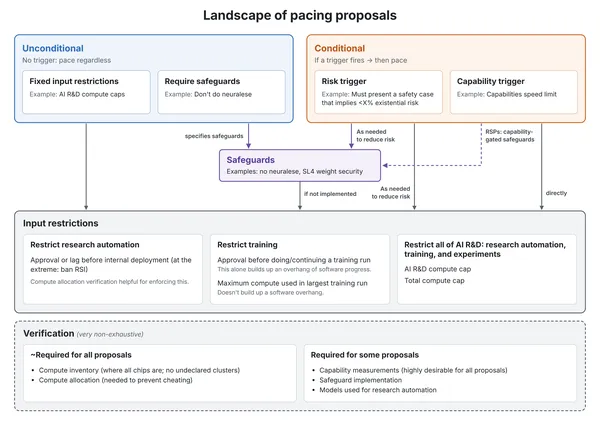
The Center for AI Safety argues that restrictions on data centers may be insufficient to address the most severe risks from AI. Companies are expanding data center capacity and securing energy because additional computing power is one way to train more capable models. But projects blocked in one state could move elsewhere, and even a nationwide US ban could push infrastructure development to other countries.
AI progress can also continue through improvements in algorithmic efficiency, which can increase model capabilities without increasing computing power. The newsletter says AI systems could therefore become powerful enough to pose a catastrophic risk before data center capacity becomes a bottleneck.
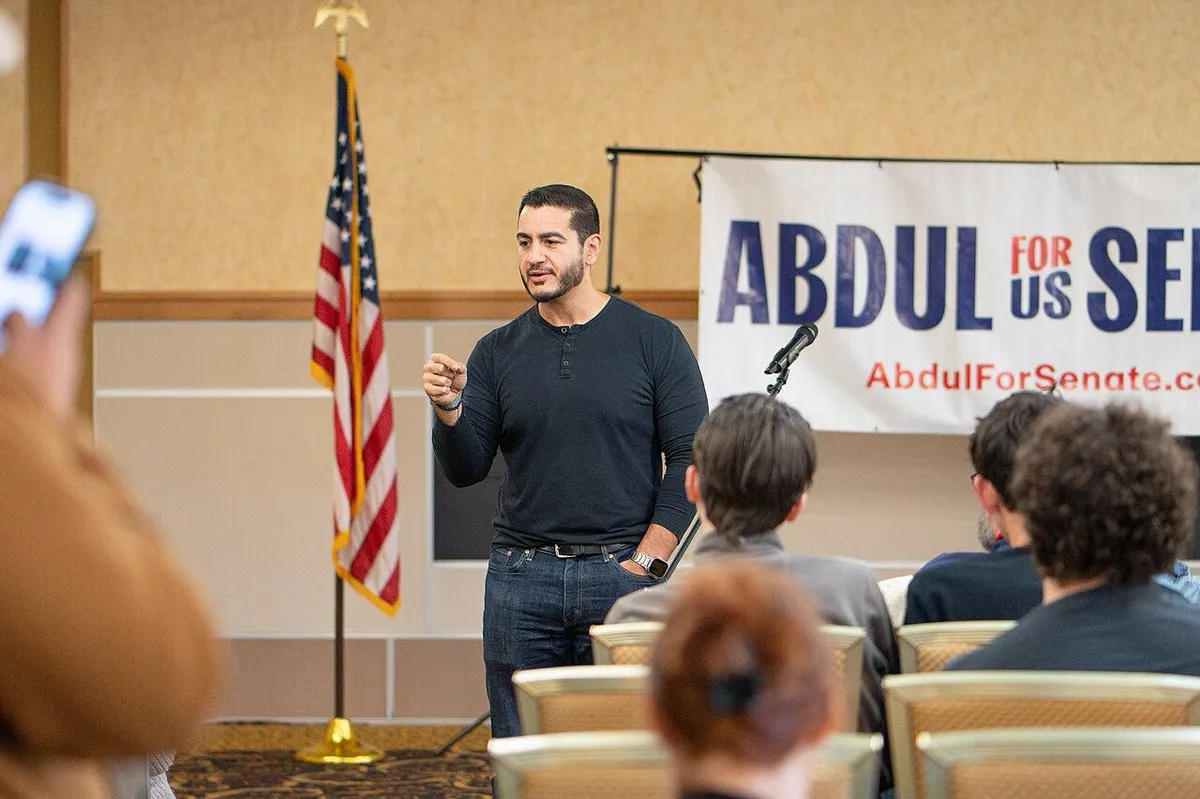
That possibility could shift attention toward rules governing the development process itself. Among newly elected officials, progressive politicians including Abdul El-Sayed, senator-elect for Michigan, favor stronger measures such as a pause on AI development. Representative Greg Casar has said Democrats “should be hauling in the CEOs of the large AI companies and grilling them about the risks that they are imposing to the American people.”
AI safety advocates disagree over the best strategy
The AI safety ecosystem, which the newsletter describes as consisting of several hundred people, mostly based in Silicon Valley and Washington, DC, is divided over how to reduce the risk of an AI disaster.
Effective Altruists generally argue that advanced AI development is nearly inevitable, making it important for companies considered responsible to lead. They emphasize alignment work, intended to ensure that AI systems act consistently with human values, and retain a particularly strong presence at Anthropic.
Another camp argues that AI companies should stop improving capabilities and work toward a global pause, even without a guarantee that others will do the same. AI safety writer Scott Alexander has opposed a unilateral halt, arguing that if responsible companies leave the race, less safety-focused actors could take the lead. He has proposed that Anthropic continue advancing capabilities and later “burn its lead” by shifting to intense alignment research if no global pause is reached.
Critics question whether Anthropic deserves the level of trust it receives within parts of the AI safety community. They cite the company’s weakened safety commitments and a proposed AI regulation bill that has been strongly criticized as inadequate. The newsletter says close social ties between safety advocates and AI company employees could also influence judgments about which companies should lead.
For users and policymakers, the election results suggest that data center regulation has gained political traction, while broader questions about AI development remain unsettled. The newsletter indicates that public attitudes toward AI itself could change as quickly as views on data centers, but it does not establish whether stronger interventions would receive broader support.
Center for AI Safety: AISN #85: US Midterms Favor Candidates Backing AI Regulation