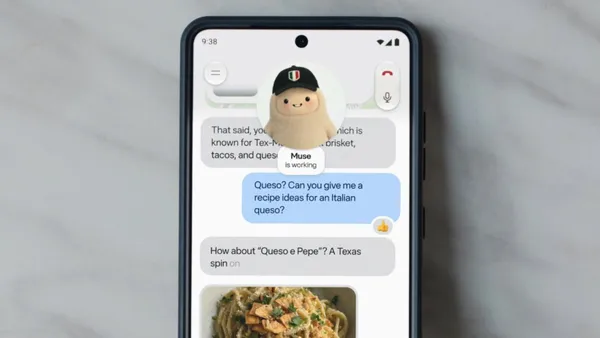
Vapi launches beta that lets personal AI assistants make phone calls for you
Vapi has launched Vapi Personal Agent Calling in beta, a service that lets personal AI assistants place phone calls to businesses on a user's behalf. According to Vapi, the assistant dials, holds the conversation and reports back with a result.
- Vapi launched Vapi Personal Agent Calling in beta, letting personal AI assistants place phone calls for users.
- Vapi says it works with assistants including Muse, Instinct, GrokBot, ChatGPT Work, Claude Code, OpenClaw and Hermes.
- Users paste a prompt pointing the assistant to phone.vapi.ai and approve once by signing in to their Vapi account, with no API keys.
- Vapi says there is no added cost beyond a user's Vapi minutes.
- In a test, an agent waited 14 minutes on hold and secured a free Economy Plus aisle seat after declining a $51.69 fee.
What Vapi Personal Agent Calling does
Vapi argues that general information is now easy to find online, and an agent can retrieve it in minutes. The specific, personal questions still tend to need a phone call: whether a shop has a pair of shoes in your size, whether an appointment fits a short window, or whether a seat upgrade is possible on a flight.
Those calls often get postponed because of hold times, phone menus and callbacks that never arrive. Vapi's answer is to give the assistant a phone. The user describes the need, and the assistant handles the call. Vapi describes the product as the voice layer beneath a personal agent. The user supplies the task and relevant details, such as the business, the dates that work or an order number, and Vapi handles the call itself.
According to Vapi, it works with popular personal assistants including Muse, Instinct, GrokBot, ChatGPT Work, Claude Code, OpenClaw and Hermes.
How setup works
Vapi says the setup is short. The user opens their assistant and pastes a prompt, filling in the brackets: "Open phone.vapi.ai, read the agent instructions, and call [business + location] to [task]."
The user then approves once. A browser opens a login page for their Vapi account, and after signing in they can close it. The assistant connects, makes the call and sends the result. Vapi states that there are no API keys or confusing connectors involved. It also says there is no added cost on top of a user's Vapi minutes.
A test case: the airline upgrade
Vapi illustrates the feature with a test run by its Head of Revenue, Bryan Parman. He asked his assistant to call an airline and move him to Economy Plus in an aisle seat for extra legroom, only if there was no charge, and not to change or cancel the flight otherwise. He approved the call and went back to work.
According to Vapi, the agent worked through the automated menu and waited on hold for 14 minutes. Parman received a text when the call connected and another when the agent reached a human. The agent introduced itself as his assistant and explained the request. The representative said only one aisle seat was left and quoted $51.69. Following Parman's instructions, the agent declined to pay, and the representative waived the fee. A final text and an email followed: Economy Plus, aisle, no charge. Vapi sums it up as five extra inches of legroom and zero minutes of hold music.
Why Vapi is positioning itself here
Vapi says it built the voice infrastructure that enterprises use to run calls at scale. That includes orchestration across speech-to-text, the model and text-to-speech, plus the underlying telephony. The company says this is the same stack a personal assistant uses when it dials, for example, a dentist.
The pitch is that personal assistants can already search, draft and fill out forms, but tasks shaped by personal preferences or schedules often still require asking a person. Vapi wants to be the layer that lets those assistants make that call. The service is available to try at phone.vapi.ai.