Waymo details how its Driver prepares for severe winter weather
Waymo is preparing its fleet for severe winter weather with sensor systems, snow tires, local road data and expanded testing, while stressing that some conditions may require service to slow, shrink or stop. The company says a historic El Niño is ahead this season.
- Waymo may reduce or pause service when weather exceeds validated operating limits.
- Its vehicles collect street-level road and weather data across the fleet.
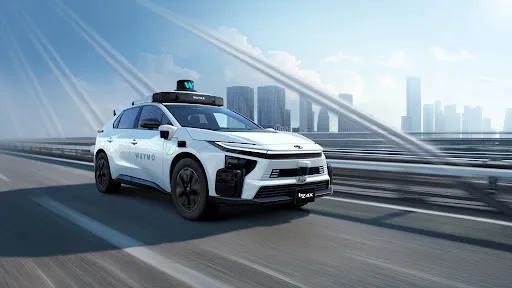
- The 6th-generation Waymo Driver combines cameras, radar and lidar with heated sensors and micro-wipers.
- Waymo is using snow tires, Alaska testing and simulations to refine winter capabilities.
Weather may lead to reduced or paused service
Waymo says preparing for winter involves more than teaching its Driver to respond to snow and ice. The company must also determine when weather conditions exceed the boundaries in which its technology and commercial service have been validated.
Before making a capability available to the public, Waymo evaluates it through its Safety Framework, which it describes as a rigorous, peer-reviewed process. When forecasted or real-time weather goes beyond those boundaries, the company says it will adjust service proactively. That could mean reducing the service area or pausing rides entirely, with pauses lasting for hours or even days depending on conditions.
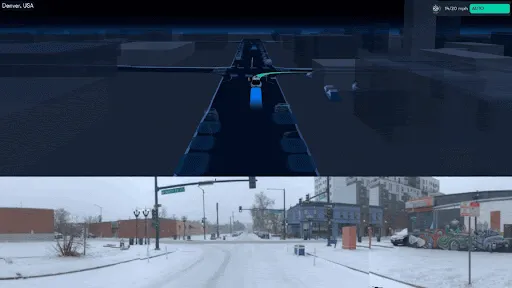
Forecasts are only part of the decision. Waymo says each vehicle acts as a mobile weather station, collecting and sharing real-time information about roads, weather and driving conditions across the fleet. The company also considers information from local officials, road maintenance and closures. As a result, service could be paused even when conditions appear clear in one area, if another part of the service area is affected by a storm.
Sensors and traction controls support winter driving
The 6th-generation Waymo Driver uses cameras, radar and lidar to observe its surroundings. Waymo says built-in heaters and micro-wipers help keep sensors clear in icy conditions, while overlapping sensing systems provide an alternative when one sensor is challenged, such as cameras during a blinding whiteout.
The system uses these inputs to identify changing road conditions, including the difference between a light dusting that is beginning to fall and heavier snow that is sticking to the road. As the vehicle moves, it measures real-time traction changes under each wheel and automatically adjusts steering, braking and acceleration.
Waymo is also equipping its winter-weather fleet with snow tires. Local operations teams prepare vehicles for cold conditions by keeping them charged, clean and ready to support riders.
Testing spans snowy regions and digital simulations
Waymo says its winter preparations draw on more than a decade of real-world experience. In recent years, the company has tested the Waymo Driver in some of North America's snowiest regions, accumulating tens of thousands of real-world miles across Upstate New York, Michigan's Upper Peninsula and the Sierra Nevada.
This season, Waymo plans closed-course evaluations and heavy-snowfall data collection in Alaska to refine cold-weather capabilities. The company also uses simulation to recreate conditions such as black ice and whiteouts, then brings those lessons back to real city streets for validation with trained human drivers behind the wheel in snowy metros.
For riders, the announcement means winter availability will depend on local road conditions and Waymo's validated operating limits. The company says it will work to minimize disruptions while making careful decisions about where and when to operate. Users can check the Waymo app for the latest service information in their city.
Waymo: How the Waymo Driver Manages Severe Winter Weather