CMU's Andrea Bajcsy Wins Packard Fellowship for Robot Safety Research
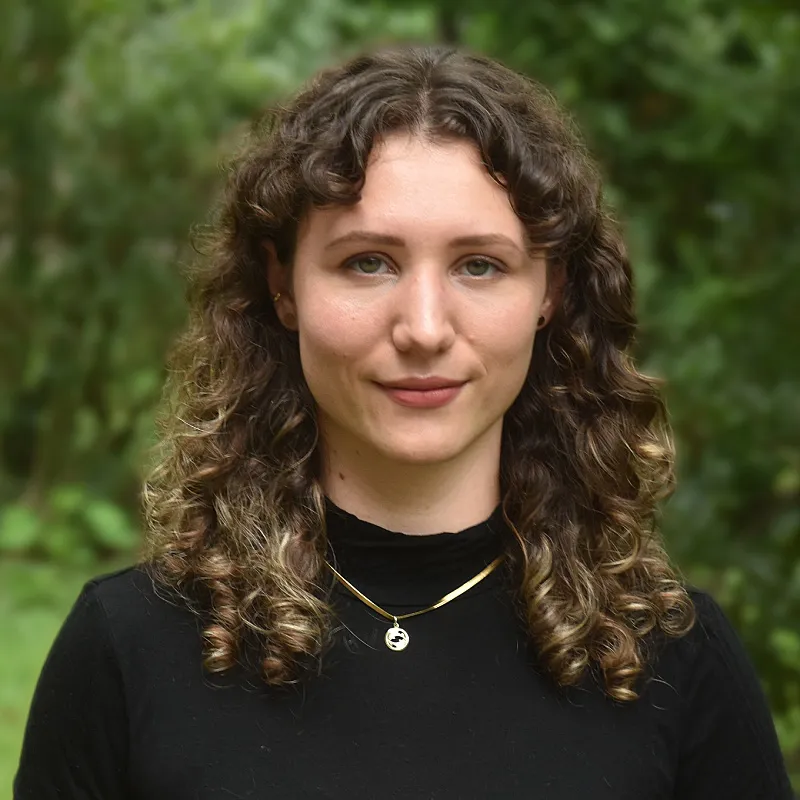
Andrea Bajcsy, an assistant professor at Carnegie Mellon University's Kenneth C. Griffin School of Computer Science, has received a 2026 Packard Fellowship for Science and Engineering. The fellowship provides $985,834 in unrestricted funding over five years, according to the university.
- Andrea Bajcsy of Carnegie Mellon University has won a 2026 Packard Fellowship for Science and Engineering.
- The award provides $985,834 in unrestricted funding over five years.
- She is one of 20 researchers selected for this year's fellowship.
- Her research targets AI safety for robots acting in the physical world, covering semantics, physics, security and privacy.
- She aims for robot behavior to be shaped by engineers, policymakers and everyday users.
A five-year fellowship for early career researchers
The David and Lucile Packard Foundation awards the Packard Fellowship for Science and Engineering to early career researchers so they can pursue innovative research. Each fellowship comes with $985,834 in unrestricted funding spread over five years, according to Carnegie Mellon's School of Computer Science.
Bajcsy is one of 20 researchers selected for this year's fellowship. She works at the intersection of robotics, machine learning and AI safety, and her research takes place in the university's Robotics Institute.
Making robots safer and more reliable
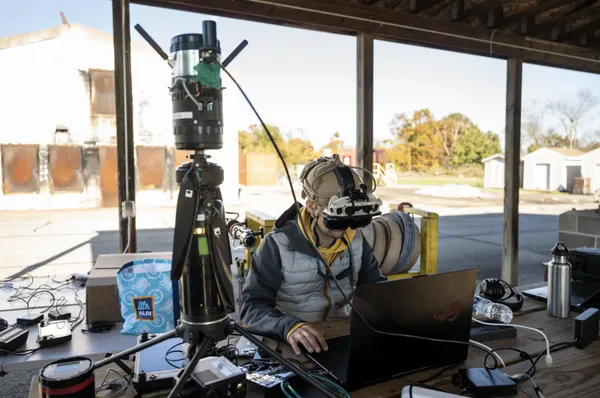
Bajcsy's work focuses on developing safer, more reliable robots that can understand and respond to the complexities around them. The university notes that AI-powered robots are becoming increasingly capable of acting in the physical world. Deploying them reliably, it says, will require a richer, context-aware understanding of safety.
That understanding has to account for a wide range of factors, from semantic meaning and hard-to-model physics to security and privacy risks.
Her research is built on a central hypothesis: that nuanced robot safety behaviors can only emerge from equally nuanced representations of the world. In practice, her group will advance the scientific foundations of AI safety for embodied systems, developing new models and algorithms for robots that act in the real world.
Who shapes robot behavior
Bajcsy's stated aim is to enable robots to make decisions with human-like nuance. She also wants their behavior to be shaped by a broad range of stakeholders, including engineers, policymakers and everyday users.
Because the Packard funding is unrestricted, it gives her group flexibility to pursue this agenda over the five-year period. The source does not detail specific projects or timelines. Further information about the program is available on the Packard Fellowship website.
CMU School of Computer Science: Bajcsy Awarded Packard Fellowship for Science and Engineering