Director Makes Don Diablo Music Video With AI on Higgsfield in 214 Hours
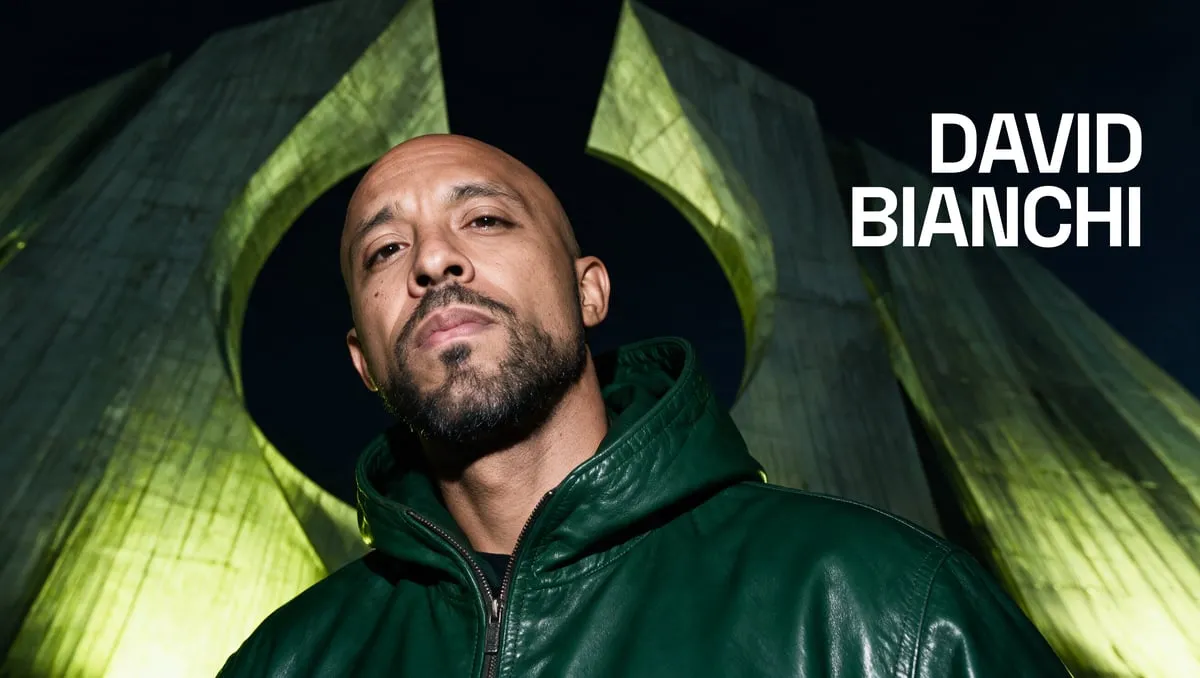
Los Angeles director David Bianchi wrote, directed and edited "Top Of My Game," a fully AI-generated music video for Don Diablo's drum and bass project Control Alt Delete. According to Higgsfield, the video carries the credit "Powered by Higgsfield" and took about 1,122 generations and roughly 214 person-hours.
- David Bianchi directed "Top Of My Game," a fully AI-generated video for Don Diablo's Control Alt Delete, released September 18, 2026.
- Bianchi estimates about 1,122 generations and 214 person-hours, using Seedance 2.5, Nano Banana and Claude on Higgsfield.
- The label cut the deadline from seven days to three, so he added two collaborators and moved to Cinema Studio.
- He estimates a live-action version would have cost $1.5M to $2M minimum.
- Don Diablo and Bianchi plan a series of videos.
A music video that would not have existed otherwise
"Top Of My Game" was released on Don Diablo's YouTube channel on September 18, 2026. The channel has 1.4M subscribers, and the video had 174,579 views as of October 26, 2026. It runs 3 minutes and 38 seconds. Don Diablo, known as a house music DJ, now releases drum and bass under the name Control Alt Delete.
Bianchi is the founder of Exertion Films and has produced nine feature films over 22 years in Los Angeles. His next feature, the cyberpunk thriller Cyber Protocol, is set to release on Prime Video on November 10.
Bianchi estimates that a live-action version would have cost $1.5 million to $2 million at minimum, plus about three weeks of pre-production and about a week of shooting. It would have required locking off an inner-city street and filling it with 200 to 400 background players. "If it weren't for Higgsfield, if it weren't for this technology, this music video would have never happened. Period," Bianchi said, according to the Higgsfield post.
From track to treatments to Seedance 2.5
The video follows a mysterious, almost prophetic figure who walks through an inner city and draws people into a march. The audience learns only in the final seconds that the figure is Don. The world is built from brutalist architecture, worn textures and urban light, and the camera stays a few feet behind the hero, inspired by Darren Aronofsky's The Wrestler. The finale gathers the crowd around sacred geometry based on the hexagon in Don's branding and tattoo.
Bianchi started from the track rather than a script. He brainstormed with Claude, reviewed 50 to 60 possible directions and turned the best into three visual treatments, with concept images made in Seedream and Nano Banana on Higgsfield. Don chose one. Bianchi then wrote a four-act script himself: a tunnel, a market, a bridge and the final crowd sequence.
For each scene he built a world plate, a character sheet and prop plates, mostly with Nano Banana, and generated the video with Seedance 2.5 directly in 1080p. He edited in Premiere Pro, handled sound design and color, and cleaned up signage and license plates in Blender. "My experience with Seedance is that 2.5 is like my creative partner," he said.
Where the model struggled
The march, from about 0:56 to 2:24, is Bianchi's favorite section, and it also caused most of the problems.
- Crowd direction: renders often had people marching the wrong way or breaking the 180-degree rule, so he kept regenerating.
- The car crash: in 15 to almost 20 renders, the driver exited through the passenger door and the door passed through a light pole. He solved it with a jump cut in the edit.
- The glow: Don asked for his logo on the back of his real jacket. Getting a glow Bianchi found tasteful took almost 50 generations.
Seedance 2.5 did keep the wardrobe of the marchers consistent, even when seen through several layers of windows, according to Bianchi.
Deadline cut to three days, team moves to Cinema Studio
Bianchi made most of the video alone. Then the label moved the delivery date from seven days to three. He brought in Lisa Gu, systems and production coordinator, and Sherif Higazy, visual effects and creative engineer. The work moved into Cinema Studio so the team could see everything he had made. In a shared project, everyone saw each other's renders in real time, worked in separate folders and generated from his credits.
He spent the first four hours bringing the team up to speed on the palette, the world and the intent. By his records, the project used 21,678 credits, which he also calls an estimate.
What it means for AI production
Bianchi says AI production is not free. "If you've got, let's just call it $3,000 in compute credits, you're probably looking at at least a minimum of $10,000 in human being costs," he said. His other lessons: it takes many generations, "It's not prompt and go," and he advises budgeting for handcrafted visual effects where the model fails. "There's slop, and then there's taste," he said.
Bianchi has launched exertionfilms.io for Exertion Films' AI production and says he is talking with brands about AI projects. With Don, the plan is a series of videos rather than a single one. He is also developing Bobby Sales, a short-form series using his own digital likeness.
Higgsfield: David Bianchi: Directing for a Top 10 Global DJ on Higgsfield