Flipsnack reports 310% rise in registrations from ChatGPT Ads campaigns
Flipsnack says five US conversion-focused ChatGPT Ads campaigns produced approximately 310% more registrations and reduced cost per registration by approximately 75% compared with earlier click-focused versions. The results came after the company changed its campaign objective and bidding approach while keeping daily budget settings unchanged.
- Five US ChatGPT Ads campaign pairs were compared.
- Registrations increased approximately 310%.
- Cost per registration fell approximately 75%.
- Daily budget settings were unchanged.
- Flipsnack plans to expand its conversion-focused campaigns.
Flipsnack shifts from clicks to registrations
Flipsnack helps teams turn static documents into interactive digital experiences, including product catalogs, sales presentations, brochures, internal communications, and training materials. The company said this range of uses creates a marketing challenge because potential customers may not immediately understand how the product fits a particular task.
As Flipsnack increased its focus on business customers, it used a ChatGPT Ads test to explore which customer needs could lead to product signups. Its campaigns directed prospective customers to landing pages and then into a signup flow. The company treated completed registration as the first meaningful action that it could measure and optimize.
Flipsnack initially used a broader Flipbook campaign. It later created separate campaigns focused on Magazine, Catalog, and Brochure needs, as well as campaigns connected to Sales Enablement, Employee Benefits, Real Estate, and Hospitality.
Five campaigns showed lower signup costs
Flipsnack created conversion-focused versions of five existing US campaigns that had used a clicks objective with fixed bids. The company then used a conversions objective and bidding set to maximize conversions.
Across the five campaign pairs, registrations increased approximately 310%, while cost per registration fell approximately 75%. Daily budget settings were unchanged, although spend rose approximately 1.3%, according to the company.
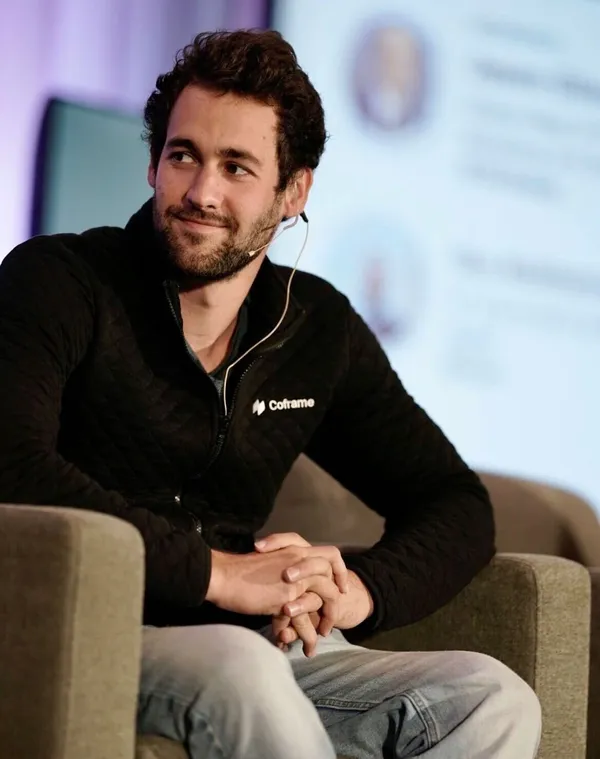
“What stood out was that we were getting more registrations at a lower cost per signup. That gave us the confidence to make conversion optimization the focus of our campaigns,” said Paul Romancsak, Paid Advertising Manager at Flipsnack.
Why the campaign structure matters
Flipsnack’s approach connects its product with specific document types, business functions, and industries rather than relying only on the general product category. That reflects the different reasons people may be evaluating the platform. A sales team and an internal communications team can use the same product for different purposes.
“A sales team and an internal communications team can use the same product for very different jobs. We want our campaigns to help each see where Flipsnack fits,” Romancsak said.
The results are based on Flipsnack’s ChatGPT Ads Manager data for five US campaign pairs, comparing August 25, 31 with September 2, 8, 2026, and checked September 11. Attribution used 30-day clicks and excluded views. Objectives and bidding changed together, so the source does not isolate the effect of either change.
Flipsnack plans to build on the results
Flipsnack said the results provide a foundation for continued growth with ChatGPT Ads. The company plans to build on its conversion-focused campaigns to bring more prospective customers into the product and help them discover how the platform can support their businesses.
For advertisers, the case shows how campaign optimization can focus on a downstream action, in this case registration, rather than traffic alone. The reported figures are specific to five US campaign pairs and the comparison period described by Flipsnack.