Genedata adds NVIDIA's RFD4-Proteina binder design model to its discovery workflows

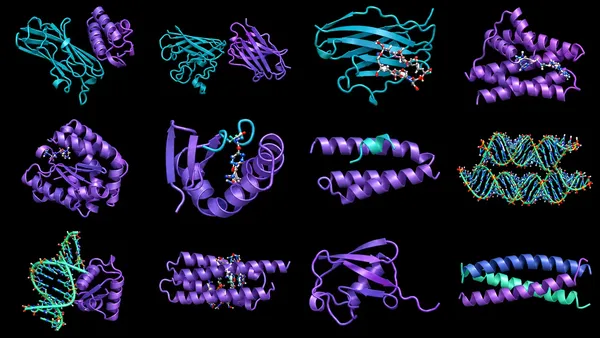
Genedata, a Danaher company, has added the new RFD4-Proteina binder design model to its AI-enabled discovery workflows. The model was introduced at NVIDIA GTC Berlin, and Genedata says it is among the first companies to offer it within production discovery workflows.
- Genedata, a Danaher company, added the new RFD4-Proteina binder design model to its AI-enabled discovery workflows.
- The model was introduced at NVIDIA GTC Berlin, and Genedata says it is among the first to offer it in production workflows.
- Scientists define targets with Genedata's AI co-scientist, NVIDIA's open models generate and evaluate binders, and lab results feed the next design round.
- Genedata says it provides orchestration, governance and data foundations, including lineage and traceability.
- The capabilities connect to Danaher's autonomous laboratory initiative, a closed-loop discovery framework.
How the workflow runs
According to Genedata, the process starts when scientists define target characteristics and required properties using the company's AI co-scientist. NVIDIA's open protein design models then generate and evaluate candidate binders inside the Genedata environment.
When candidates move into laboratory testing, the results are captured and linked back to the original designs. Genedata says this helps scientists refine and rank the next round of candidates. The company describes the aim as turning AI predictions into continuous learning cycles that accelerate biologics discovery.
From model access to production use
Genedata argues that access to powerful models is only part of the picture. Othmar Pfannes, Ph.D., President of Genedata, said that "unlocking their full value requires more than access to powerful models alone." In his words, researchers need a way to connect molecular design, experimental execution and scientific data into a continuous learning process.
The company says many organizations still struggle to operationalize generative AI models within production scientific research workflows. Genedata positions its software as the orchestration, governance and scientific data foundation needed to deploy NVIDIA BioNeMo open models, including RFD4-Proteina, directly in the workflows scientists use every day.
According to the company, researchers can apply AI-generated designs within established processes while maintaining lineage, traceability and scientific context across the discovery lifecycle. Pfannes said the approach helps scientists evaluate more candidates before testing and build knowledge from one discovery cycle to the next.
Link to Danaher's autonomous laboratory initiative
Genedata says these capabilities fit into Danaher's autonomous laboratory initiative. There, AI, automation and scientific data are connected in a closed-loop discovery framework in which each experimental outcome informs the next design cycle. The company stresses that scientists stay in control of this learn-and-improve process.
What it means for biopharma researchers
For research teams working on protein and antibody discovery, the announcement points to a way to use NVIDIA's open design models without building the surrounding infrastructure themselves. The press release does not give pricing, availability terms or performance figures for RFD4-Proteina within Genedata's workflows, so the practical gains remain to be shown by users.
Genedata describes itself as the leading provider of enterprise software solutions for biopharma R&D and says customers have trusted it for more than 25 years. The integration is presented as a step toward linking design, laboratory testing and data in one traceable loop.