LLM use now acknowledged in 17% of biology preprints, near specialized AI tools
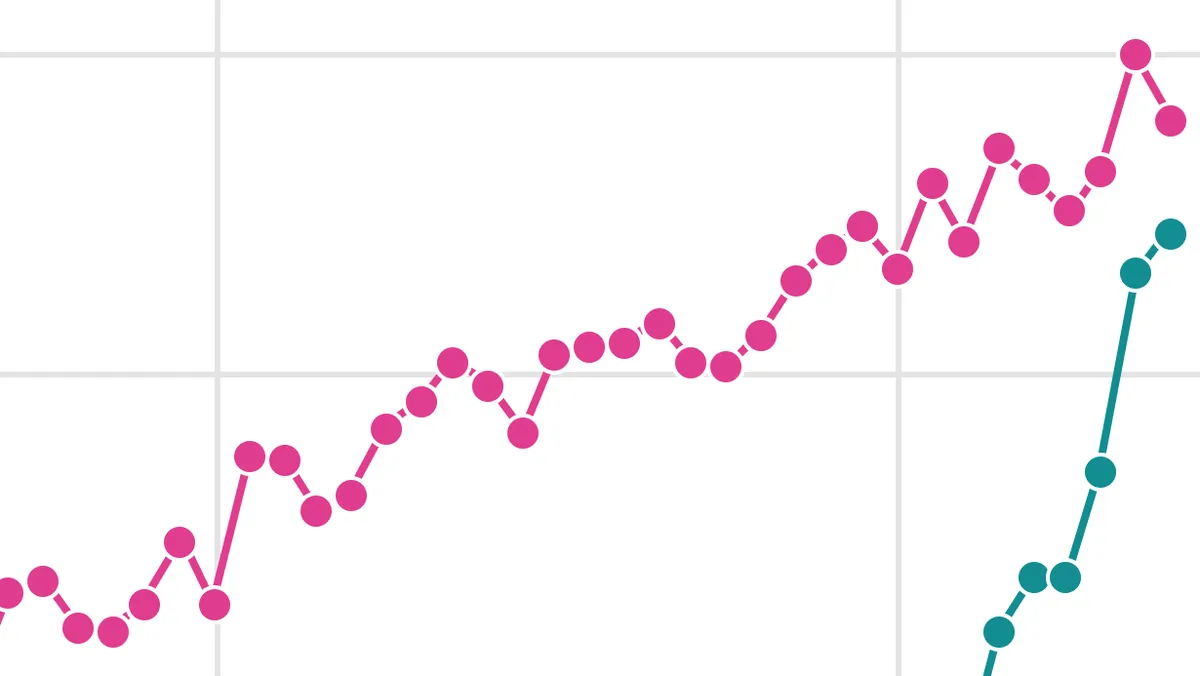
The share of biology preprints that acknowledge large language model use has reached 17%, close to the 19% that acknowledge specialized AI tools, according to a new Epoch AI data insight. The LLM figure has grown exponentially since 2023, while specialized tool use has climbed steadily since 2021.
- 17% of biology preprints acknowledge LLM use, versus 19% for specialized AI tools, according to Epoch AI.
- LLM acknowledgments have grown exponentially since 2023; specialized tool acknowledgments have risen steadily since 2021.
- About 4% of September 2026 preprints acknowledged LLM use for research or analysis, up from about 1% at the start of the year.
- AlphaFold is acknowledged in about half of preprints that acknowledge specialized AI tools.
- Epoch notes the figures measure voluntary acknowledgments and may underestimate true AI use.
LLMs catch up in three years
Epoch AI, which tracks AI adoption in research, analyzed every preprint posted on bioRxiv from January 2020 until September 2026. According to the organization, acknowledgments of LLM use have nearly caught up with acknowledgments of specialized AI tools within three years: 17% versus 19%.
The monthly data shows how quickly the gap closed. In January 2023, 0.30% of the 2,987 preprints examined acknowledged LLM use. In September 2026, the figure was 17.19% of 4,922 preprints. Over the same period, the share acknowledging a specialized AI tool rose from 8.94% to 18.94%. In August 2026, the LLM share was 16.54% against 20.01% for specialized tools.
What counts as a specialized tool, and how LLMs are used
Specialized AI tools include models for protein structure and design, image analysis, single-cell sequencing, and genomics. The most commonly acknowledged is AlphaFold, which predicts protein structure. It became publicly available in July 2021 and is acknowledged in about half of all preprints that acknowledge specialized AI tool use.
LLM usage is more varied, according to Epoch AI. It covers literature review, writing, and coding assistance. The share of preprints acknowledging LLM use specifically for research or analysis is smaller but rising: about 4% of biology preprints in September 2026, up from about 1% at the start of the year. The monthly table puts the September figure at 3.86%.
How the data was collected
The analysis builds on Epoch's AI use in research explorer. Epoch says it used GPT-5.6 Sol to check each bioRxiv preprint for acknowledgments of AI use, counting LLM use and specialized AI tool use separately. The OpenAI Decisions API, based on GPT-6 Luna, then classified LLM acknowledgments into four categories: research, code and computation, writing, and literature review. Research use covers conceptual contributions such as experimental design, methodological contributions such as data labeling, and analysis such as statistical analysis.
Epoch compiled a list of 150 specialized AI tools by sampling recent bioRxiv preprints and scanning for mentions of AI tools.
Limits and what the numbers mean
Epoch stresses that it measures voluntary acknowledgments, which reflect both actual AI usage and disclosure norms. Its figures may therefore underestimate true usage. Preprints may not represent peer-reviewed papers, and the acknowledgment detection and use-case classification are done by AI models and are subject to error. The list of 150 tools may also be incomplete.
With those caveats, the data indicates that general-purpose language models are becoming a visible part of how biology researchers report their work, approaching the reporting rate of dedicated tools that have been used for longer. Epoch also published a related insight showing that 25% of math preprints acknowledged AI use in August, up from 4% in April. The data is available as a CSV, and Epoch's work is free to use under a Creative Commons BY license with credit to the source and authors.