Saint-Gobain uses Microsoft Discovery to speed up cement additive research
Saint-Gobain says Microsoft Discovery, an agentic AI platform for scientists and engineers, cut the time needed to build a research knowledge base on cement additives from about a year to a couple of hours. The French construction materials group is using the tool to look for chemistry that could lower cement's carbon emissions and make it stronger.
- Saint-Gobain says Microsoft Discovery cut the knowledge-base work on cement additives from about a year to a couple of hours.
- The team gathered 62,000 patents and 44,000 abstracts and produced hypotheses for new additive ingredients to test in about six weeks.
- Saint-Gobain was among the first clients in Discovery's private release in March and signed a framework agreement with Microsoft in July.
- Annica Hagen became Saint-Gobain's first chief artificial intelligence officer in September.
- The hub in Aubervilliers will receive Microsoft Copilot for all employees in January 2027.
From a year of reading to a couple of hours
Cement production uses a lot of energy and accounts for around 7% of annual CO2 emissions globally, according to Microsoft's account of the project. Saint-Gobain, which has 161,000 employees in 81 countries, is searching for chemical elements that could cut those emissions and improve the strength of cement.
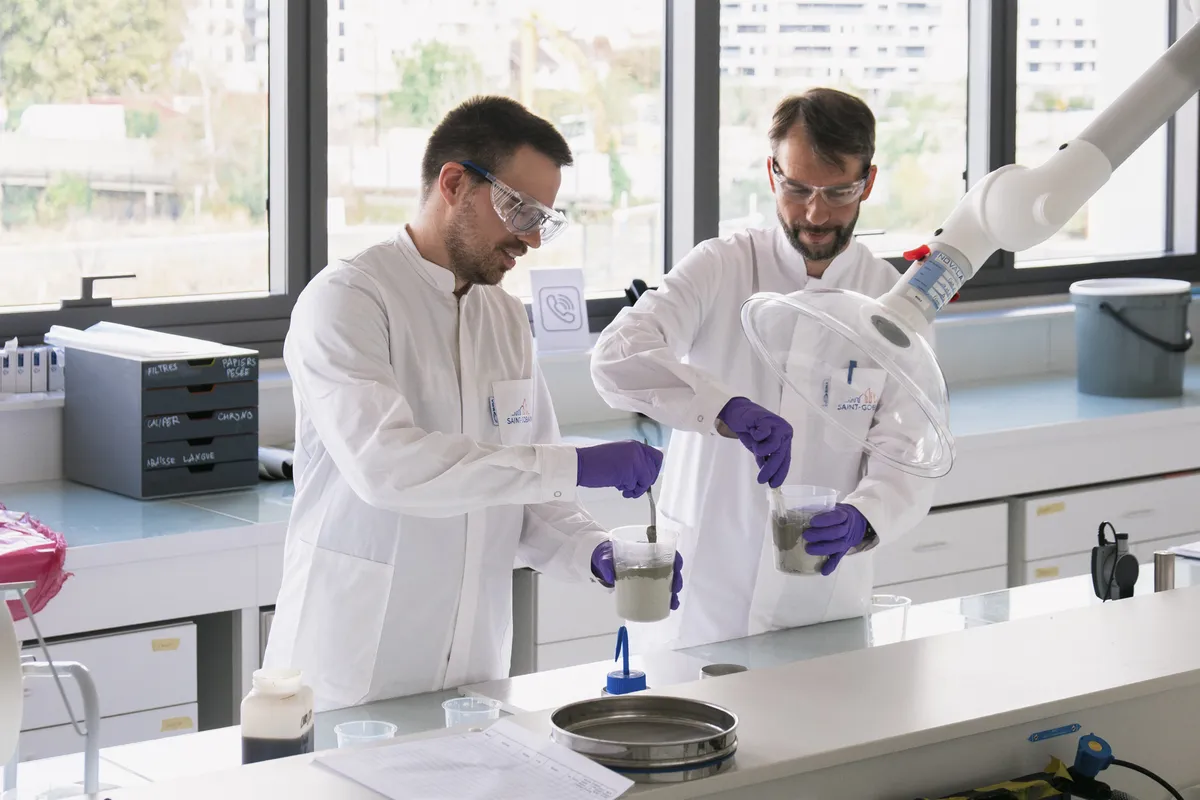
Researchers at the company worked with engineers from Microsoft earlier this year on Microsoft Discovery. Mojdeh Rastgoo-Lemaitre, a digital acceleration program manager overseeing the project, said the team gathered 62,000 patents and 44,000 abstracts. In her words: "Without using this technology, it would have taken our researchers a year to create the knowledge base. Using AI, it took us a couple of hours."
According to Rastgoo-Lemaitre, Discovery helped the team narrow the data, analyze novel possibilities in the chemistry and produce several hypotheses about new ingredients for cement additives, worth testing in about six weeks.
How the platform and the partnership work
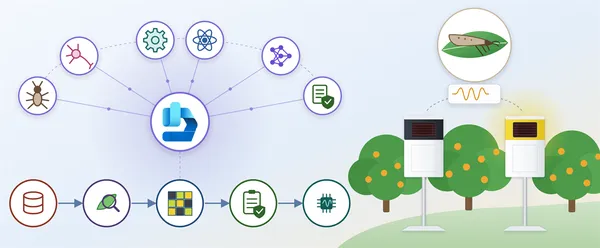
Microsoft describes Discovery as a platform that lets scientists orchestrate AI agents to search literature, connect information, generate hypotheses, design experiments and run analyses. Saint-Gobain was one of Microsoft's first clients to use it in private release in March this year, and teams from both companies worked on fine-tuning the platform.
The Microsoft team came from the Microsoft Frontier Company, a new operating business that places Microsoft engineers inside client companies to deliver solutions with AI applications and tools such as Discovery. The two companies also signed a framework agreement in July, which Ursula Soritsch-Renier, Saint-Gobain's chief digital and information officer, says will accelerate the search for sustainable construction materials and processes.
Saint-Gobain already sells a cement additive called EnviroAdd, which reduces the need for clinker in cement by about 20%. Clinker is the binding ingredient, made by super-heating limestone, which is where CO2 production is most significant. The goal now is a new additive that cuts clinker use further while making cement stronger. By searching domains outside construction, the scientists found molecules they otherwise would not have considered, Rastgoo-Lemaitre said. Those molecules are being tested now. If they hold up, the next step is handing them to a development team to test the additive in physical conditions.
AI strategy beyond the lab
Soritsch-Renier said the construction industry, from production to running, accounts for 40% of the world's carbon footprint. She pointed to a cut-to-order system for plaster board as another example of digital tools at work. Using the building information model, the company optimizes cuts so that nothing goes to landfill. She says the system improved time-to-installation by 30%.
At the start of September, Saint-Gobain appointed Annica Hagen as its first chief artificial intelligence officer, a newly created role. She will work with Soritsch-Renier to define how AI can support the group's strategic plan. "My main task is to enable growth," Hagen said.
What it means for researchers at Saint-Gobain
Silvia Mariani, managing director of the Saint-Gobain Innovation Hub Europe in Aubervilliers, where more than 400 researchers from 30 countries work, says her priority is getting the best tools to her researchers and making sure they know how to use them. She said the hub would get Microsoft Copilot for all its employees in January 2027. Teams there are already considering other projects for Discovery, while work on the cement additives continues.
The results so far are hypotheses and candidate molecules, not a finished product. Whether the new additive delivers lower emissions and stronger cement will depend on laboratory and physical testing still to come.